As the world grapples with climate change and ecological degradation, the pursuit of sustainable travel options has never been more critical. Switzerland stands out as a leader in eco-tourism, offering breathtaking alpine vistas while prioritizing environmental preservation. Discover how this stunning country balances tourism and sustainability, ensuring that its natural treasures endure for future generations.
The Essence of Eco Tourism: understanding Sustainable Practices in the swiss Alps

The Heart of Sustainable Practices in the Swiss Alps
In the enchanting Swiss Alps, eco tourism represents not just a travel choice but a comprehensive beliefs integrated into the very fabric of mountain life. this region, known for its breathtaking landscapes and rich biodiversity, has embraced sustainable practices that prioritize environmental integrity while allowing visitors to experience its natural beauty.Eco tourism in Switzerland is about more than just picturesque views—it’s a commitment to preserving the land and fostering a balanced relationship between visitors and local communities.
One of the key components of sustainable practices in the Alps is the emphasis on local engagement and community involvement. The tourism industry actively collaborates with local residents to promote traditional knowledge, ensuring that the customs and heritage of mountain communities are not only preserved but celebrated. This approach fosters authentic experiences where travelers can connect with local culture through guided hikes, cooking classes featuring regional cuisine, and participation in seasonal festivals. By choosing eco-friendly accommodations that utilize renewable energy and locally sourced materials, tourists support initiatives that are crucial for reducing the carbon footprint associated with tourism.
Conservation Efforts and Responsible Practices
To ensure that eco tourism thrives while protecting the delicate alpine ecosystem,several effective conservation strategies have come into play. Many Swiss regions implement strict guidelines for outdoor activities, such as hiking and skiing, designed to minimize environmental impact. For instance, marked trails help manage foot traffic and prevent soil erosion, while controlled skiing zones protect vulnerable habitats. Additionally, initiatives like the “Leave No Trace” philosophy encourage visitors to respect nature by carrying out what they bring in, thereby maintaining the pristine nature of the landscape.
The commitment to sustainable practices extends into local transportation initiatives, which prioritize public transit and shared mobility options. Travelers are encouraged to use trains and buses, which not only reduce traffic congestion in popular areas but also lower greenhouse gas emissions. Many destinations within the Alps now offer special eco passes that include public transport, incentivizing environmentally friendly travel choices.
| Eco Practices in the Swiss Alps | Description |
|---|---|
| Local Community Engagement | Collaborative tourism experiences that involve local customs and traditions. |
| Strict Outdoor Guidelines | Regulated trails and zones to prevent erosion and protect wildlife. |
| Eco-Friendly Accommodation | Stays that emphasize renewable energy and local sourcing. |
| Public Transport Incentives | Encouragement of train and bus usage through eco passes. |
the Swiss Alps stand as a testament to how eco tourism can beautifully interweave the principles of sustainability with an enriching travel experience. By prioritizing local inclusion, conservation efforts, and responsible practices, this region not only preserves its natural landscapes but also sets a global standard for how eco tourism can facilitate harmony between humans and nature, showcasing the potential of eco tourism in Switzerland: Alpine sustainability at its best.
Exploring the Local Economy: How eco Tourism Benefits Swiss Communities
A Thriving Local Economy Through Eco Tourism
Switzerland, known for its breathtaking alpine landscapes, is leveraging eco tourism as a vital tool for local economic growth. This form of tourism not only attracts travelers seeking authentic experiences but also empowers communities to engage in sustainable practices that preserve their surroundings and culture. By promoting eco-friendly initiatives, cities and villages across the Swiss Alps are finding new revenue streams while fostering a closer connection to nature.
One prominent example of this sustainable approach is the collaboration between eco lodges and local artisans. Eco lodges ofen source materials and products from nearby communities, creating a symbiotic relationship that bolsters the local economy. Visitors can purchase handcrafted goods, enjoy locally sourced meals, and participate in cultural experiences that benefit local residents directly. This infusion of tourism revenue helps maintain traditional crafts and encourages sustainable agriculture, which is essential for preserving Switzerland’s rural landscapes.Moreover, eco tourism in Switzerland fosters job creation in an environmentally responsible manner. As more visitors seek experiences like guided nature walks, wildlife tours, and organic farming workshops, the demand for local guides and craftsmen grows. This not only empowers locals with new employment opportunities but also enhances community pride as residents become ambassadors of their culture and natural heritage. By investing in training programs and certifications for eco-tourism guides, communities can ensure quality experiences while maintaining high environmental standards.
| Benefit of Eco Tourism | Impact on Local Economy |
|---|---|
| Job Creation | Increased employment opportunities in guiding, hospitality, and sustainable agriculture. |
| Support for Local Artisans | Boosts sales of handmade goods and local produce, enhancing cultural preservation. |
| Community Investment | Funds raised through eco tourism can be reinvested into sustainable infrastructure and conservation efforts. |
the eco tourism movement in Switzerland represents a shining example of how communities can harness their natural and cultural assets for economic benefit without compromising the environment. By embracing sustainable practices and fostering connections between visitors and locals, the Swiss Alps can thrive, offering both a rich experience for tourists and a brighter future for the communities that call these mountains home.
Nature at the Forefront: Immersive Experiences in Switzerland’s Alpine Landscapes

Switzerland’s breathtaking Alpine landscapes are not just a feast for the eyes but also a hub for sustainable travel initiatives designed to preserve their natural beauty. With emerald green valleys, snow-capped peaks, and pristine lakes, the Swiss Alps attract eco-conscious travelers seeking immersive experiences that honor both the environment and local cultures. One standout feature of eco tourism in Switzerland is the emphasis on engaging with nature through responsible practices that foster a deeper connection with the land.
Authentic Experiences in Nature
Visitors can partake in a myriad of activities that promote sustainability while showcasing the natural wonders of the Alps. Here are a few remarkable opportunities:
- Guided Nature Walks: Expert-led tours focus on local flora and fauna, emphasizing conservation efforts and the importance of biodiversity.
- Farm-to-Table Dining: Many Swiss restaurants source ingredients from local farms, allowing visitors to savor the flavors of the region while supporting sustainable agriculture.
- Eco-friendly Accommodations: Numerous hotels and lodges are designed with green practices in mind, featuring energy-efficient systems, sustainable materials, and optional activities that reduce ecological footprints.
Harnessing Innovative Sustainability Practices
The Swiss tourism industry has integrated numerous innovative practices to reduce its environmental impact. A prime example is the extensive network of public transportation options,including trains and buses that connect various Alpine regions seamlessly. This not only minimizes car usage but also enhances the travel experience with stunning scenic routes. Additionally, many hiking trails are maintained with environmentally friendly techniques, ensuring minimal disturbance to the natural habitats.
Example of Sustainable Initiatives
| Initiative | Description | Impact |
|---|---|---|
| Zero-Waste Policies | Implementing recycling and composting in tourist facilities. | Reduces landfill waste and promotes responsible tourism. |
| Renewable Energy Usage | Utilizing solar and wind energy in lodges and cabins. | Decreases carbon footprint and supports clean energy. |
| Conservation Projects | Involvement in local conservation efforts and wildlife protection. | Helps to preserve biodiversity and natural habitats. |
By embracing these responsible practices, eco tourism in Switzerland continues to thrive, providing visitors with enriching opportunities to experience nature while contributing to its preservation. The future of the Alpine landscapes depends on such measures,ensuring that generations to come can also witness their splendor.
Responsible Travel Tips: Making Sustainable Choices in the Swiss alps
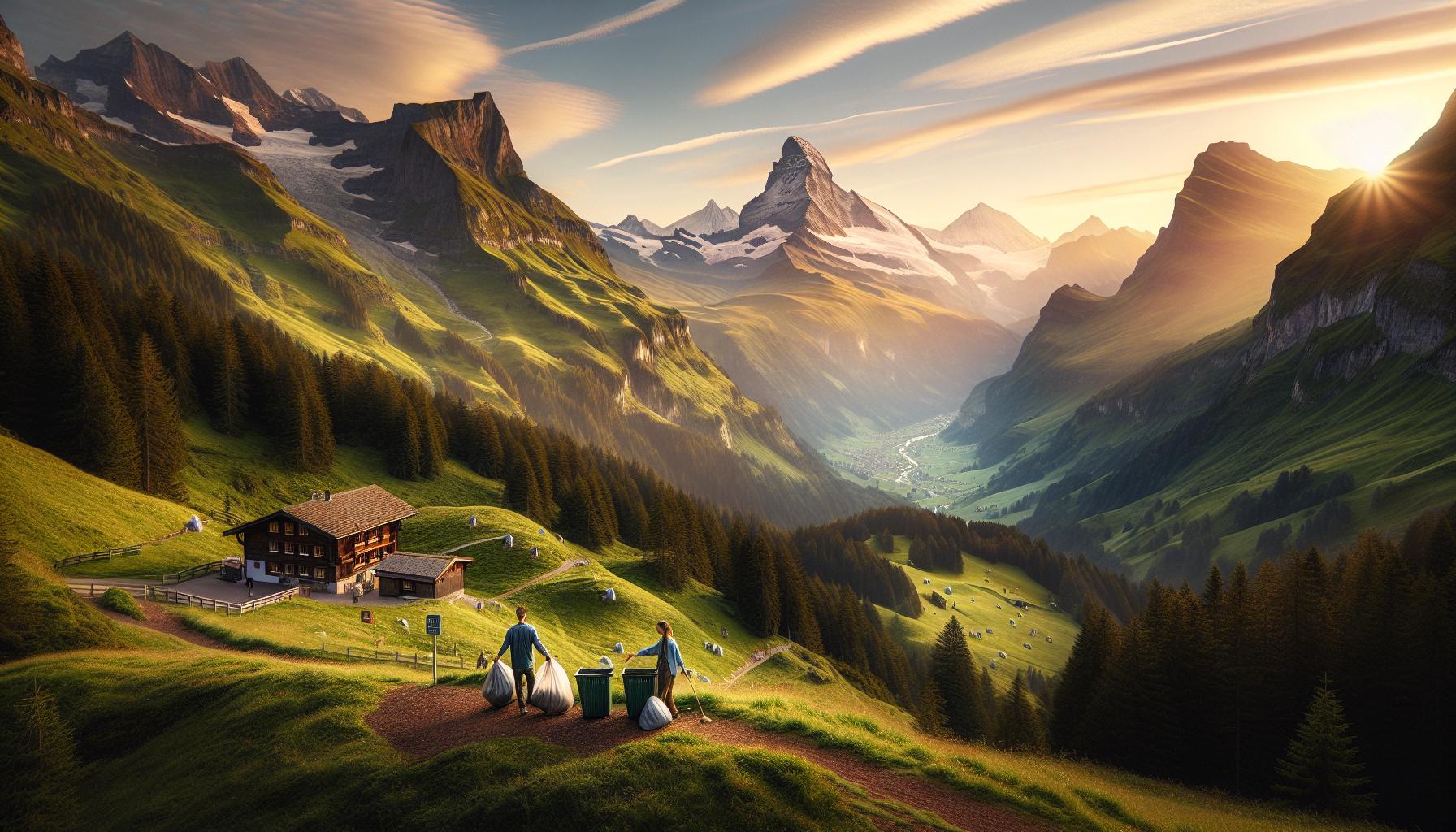
Embrace Ethical Travel Practices in the Majestic Swiss Alps
Did you know that the Swiss Alps offer not just breathtaking views but also an opportunity for travelers to positively impact the environment? By adopting responsible travel practices, you can help preserve the stunning landscapes and rich biodiversity that make Switzerland a premier destination for eco tourism. Here are some actionable tips to ensure that your adventures contribute to sustainability:
- Travel Off-Peak: visit the Swiss Alps during shoulder seasons. This not only reduces overcrowding but also lessens the strain on local resources and the environment.
- Support Local Economies: Choose to stay in family-run lodges, dine in local restaurants, and purchase handmade goods. This fosters community resilience and supports sustainable practices.
- Utilize Public Transportation: Switzerland’s rail and bus systems are efficient and green. Opt for public transport or consider hiking and biking to explore the Alpine wonders, which reduces your carbon footprint.
- Practice Leave No Trace: Respect nature by following the Leave No Trace principles. Carry out what you bring in and avoid disturbing wildlife or fragile ecosystems.
Engage with Sustainable Activities
The swiss Alps provide a plethora of eco-friendly activities that ensure you interact with the environment in positive ways. Consider participating in community-led conservation workshops or guided nature tours that promote awareness of local wildlife and ecosystems. Activities like foraging tours not only educate you about edible plants but also enhance your appreciation for the Alpine biosphere.
additionally,many organizations,such as Swiss Parks,focus on conservation efforts and often welcome tourists to volunteer or partake in educational programs. Engaging in these initiatives allows you to connect deeper with the land during your eco tourism experience.
Choose Sustainable products and practices
When spending time in the swiss Alps, ensure that your choices reflect sustainability. Look for eco-labels on products,such as organic or Fair Trade certifications,which often indicate sustainable practices. If indulging in outdoor activities, select equipment rentals that prioritize sustainability and recycle used gear whenever possible.Here’s a quick reference on how to evaluate the sustainability of the products and services around you:
| Criteria | Explanation |
|---|---|
| Local Sourcing | Products sourced from local materials reduce transportation emissions. |
| Eco-Friendly Materials | Choose items made from recycled or renewable materials. |
| Energy Efficiency | Look for businesses that utilize renewable energy sources. |
By making these conscious choices during your stay, you become part of a growing movement in eco tourism that showcases the beauty and sustainability of the Swiss Alps, ensuring they remain a pristine destination for future generations.
Biodiversity and Conservation: Protecting Switzerland’s Natural Heritage

Amidst the breathtaking landscapes of Switzerland, biodiversity stands as a testament to the country’s rich ecological tapestry. From its majestic alps to serene lakes, Switzerland is home to a variety of flora and fauna that sustain the delicate balance of its ecosystems. Protecting this natural heritage is not merely a choice but a necessity, as it ensures the preservation of Switzerland’s unique biological landscapes for future generations.
Meaning of Biodiversity in Switzerland
The diverse ecosystems of Switzerland contribute to vital services such as air and water purification, climate regulation, and soil fertility. The Swiss Alps, often recognized for their stunning beauty, also hold a diverse array of species, many of which are endemic to the region. These ecosystems provide habitats for wildlife and essential resources for local communities, emphasizing the importance of maintaining their integrity.
Eco tourism as a Conservation Tool
As outlined in the concept of Eco Tourism in Switzerland: Alpine Sustainability at Its Best, eco tourism serves as an effective mechanism for biodiversity conservation. By promoting responsible travel that respects natural spaces,eco tourism helps to raise awareness and funds for conservation initiatives. Tourists can engage in activities such as guided nature walks, bird watching, and sustainable camping, which foster a deeper appreciation for the environment while directly benefiting conservation efforts.
Strategies for Protecting Biodiversity
To effectively safeguard Switzerland’s natural heritage, several actionable strategies can be implemented:
- Encourage Sustainable Practices: Support local businesses that prioritize eco-friendly practices and contribute to conservation.
- Participate in Conservation Programs: Join local initiatives focused on habitat restoration and species protection.
- Educate and Advocate: Raise awareness about biodiversity challenges and advocate for policies that promote conservation.
Real-World Examples
Numerous projects throughout Switzerland exemplify accomplished conservation efforts. As an example, the Swiss national Park not only protects vulnerable species but also serves as a model for eco tourism practices that balance visitor enjoyment with ecological obligation.Additionally,community-led conservation initiatives in regions like Graubünden showcase how local knowledge and engagement are pivotal in preserving biodiversity.
By embracing eco tourism and taking practical steps towards biodiversity conservation, Switzerland can protect its natural heritage while continuing to inspire visitors with its unparalleled landscapes. Each visit becomes an opportunity to contribute to the sustainability of these precious ecosystems, reinforcing the symbiotic relationship between tourism and conservation.
Engaging with Local Cultures: Authentic Experiences Through eco Tourism

in the heart of the Swiss Alps, travelers can immerse themselves in authentic local cultures while promoting sustainable practices that respect the environment and the communities they visit. Eco tourism in Switzerland not only highlights the breathtaking beauty of the region but also connects visitors with the rich traditions and lifestyles of alpine inhabitants.These experiences are designed to create meaningful interactions, allowing visitors to contribute positively to the local economy while enjoying the stunning natural surroundings.
Connecting with Local Communities
engaging with local cultures can take many forms, from participating in traditional crafts to enjoying authentic culinary experiences. Here are a few ways to interact effectively with the alpine communities:
- Cultural Workshops: Participate in workshops that showcase local craftsmanship, such as cheese-making in a traditional dairy or crafting with local artisans. These hands-on experiences offer insight into the skills passed down through generations.
- Farm-to-Table Dining: Enjoy meals prepared with locally sourced ingredients. Restaurants that celebrate regional dishes not only provide a taste of Switzerland but also support local farmers.
- guided Nature Tours: Join guided eco walks that are often led by local experts. These tours can enrich your understanding of alpine ecosystems, flora, and fauna, while providing a chance to learn about conservation efforts unique to the region.
Promoting Sustainable Practices
Eco tourism initiatives in Switzerland frequently enough emphasize the importance of sustainability and environmental stewardship. Visitors are encouraged to adopt practices that benefit the natural habitat, such as:
- Using public transport or cycling to explore the areas, thus reducing carbon footprints.
- Staying in eco-friendly accommodations that prioritize sustainable practices like energy conservation and waste reduction.
- Being mindful of nature by leaving no trace, respecting wildlife, and supporting conservation projects.
Real-World Examples of Engagement
Some exemplary eco tourism initiatives showcase how travelers can engage with local cultures in Switzerland:
| Experience | Location | Details |
|---|---|---|
| Traditional Cheese making | Emmental Valley | Hands-on workshops at local dairies, learn the art of cheese crafting. |
| Alpine Culinary Tours | Zermatt | Explore local cuisine with guided tastings of regional specialties. |
| Eco-Friendly Hiking | Jungfrau Region | Guided hikes that include discussions on local ecology and conservation. |
By engaging with local cultures through these eco tourism experiences in Switzerland, travelers not only enjoy genuine interactions, but they also support the preservation of traditions and the environment. This harmonious blend of adventure and respect for culture makes eco tourism a pivotal part of exploring the alpine landscape sustainably.
The Future of Alpine Tourism: Innovations in Sustainability Practices
Did you know that sustainable tourism not only helps preserve the breathtaking Alpine landscapes of Switzerland but also enhances the visitor experience? As the demand for eco-friendly travel grows, Alpine destinations are innovating to strike a balance between tourism and environmental preservation. the future of alpine tourism is set on a green course, with a range of forward-thinking sustainability practices that prioritize both nature and community well-being.
Green Infrastructure and Transport
Innovations in sustainable infrastructure are laying the groundwork for a greener future in Alpine tourism. Key practices include the growth of eco-friendly accommodations that utilize renewable energy sources, such as solar and wind power. Hotels and lodges are increasingly opting for sustainable building materials and designs that blend harmoniously into the landscape, reducing their environmental footprint.
- Electric vehicle charging stations are becoming commonplace, promoting the use of eco-friendly cars among tourists.
- Public transport enhancements, like electric busses and cable cars powered by renewable energy, are making it easier for visitors to navigate the Alpine regions without reliance on fossil fuels.
- Mobility initiatives, including bike-sharing programs and pedestrian-friendly trails, encourage tourists to explore the region sustainably.
Community Engagement and Local Collaborations
Another vital aspect of sustainable tourism is the involvement of local communities. By supporting local economies and businesses, Alpine tourism can offer travelers a more authentic experience while promoting environmental stewardship.
Real-world examples showcase this synergy:
| Initiative | Description | Impact |
|---|---|---|
| Farm-to-Table programs | Encourages the use of local produce in restaurants, reducing carbon footprints associated with food transport. | Supports local farmers and businesses. |
| Wildlife Preservation Initiatives | Collaborative programs with travelers to protect native species and their habitats. | Enhances biodiversity and increases tourist engagement. |
| Educational Workshops | Offer tourists insights into sustainable practices directly from local artisans and farmers. | promotes environmental awareness and respect for local cultures. |
By engaging with local cultures and biodiversity, travelers not only enrich their own experiences but also contribute to the sustainability of the Alpine environment. Thus, the future of eco tourism in Switzerland is intricately tied to innovative practices that prioritize both preservation and education, ensuring that the stunning Alpine landscapes can be enjoyed for generations to come.
Outdoor Adventures with a Conscience: Activities that Promote Eco-Friendly Travel
Engaging with Nature Responsibly
Switzerland’s breathtaking alpine landscapes offer a plethora of outdoor adventures that embody the essence of eco-tourism. From hiking to skiing,each activity not only provides a chance to connect with nature but also promotes responsible travel practices that respect the environment. For those seeking an eco-friendly escape, it is indeed essential to choose activities that minimize your ecological footprint while maximizing your enjoyment of the stunning surroundings.
Sustainable Hiking Trails
Hiking in the Swiss Alps allows travelers to immerse themselves in nature without disturbing it. many trails are designed with sustainability in mind, featuring clear signage and maintenance that help preserve the delicate habitat. Consider exploring:
- The Aletsch Glacier Trail – A UNESCO World Heritage site, this trail offers breathtaking views while raising awareness about glacial retreat and climate change.
- The Swiss National Park – The only national park in Switzerland,it features guided eco-tours that educate visitors about local flora and fauna,promoting conservation efforts.
When planning your hiking expeditions, opt for guided tours offered by local environmental organizations. These guides often share insights into local ecology and conservation initiatives, enhancing your adventure while supporting sustainable tourism.
Eco-Friendly Winter Sports
For winter enthusiasts, Switzerland is synonymous with skiing. However, choosing eco-friendly options makes a meaningful difference in preserving the pristine alpine environment. Many resorts are implementing sustainable practices such as:
- Using renewable energy sources to power ski lifts and lodges.
- Investing in electric bus services that reduce vehicle emissions and encourage public transportation use among visitors.
- Partnering with environmental NGOs to preserve local ecosystems and promote reforestation projects.
Seek out ski resorts that prioritize sustainability, such as those in the Engadin region, where eco-friendly practices are a basic aspect of their operation.
Community Engagement and Wildlife Watching
Participating in community-driven conservation projects can greatly enhance your travel experience while contributing positively to local environments. Engaging in activities like bird watching or wildlife photography aligns with eco-tourism principles by fostering a respect for local wildlife.Organizations often offer workshops that teach ethical wildlife observation techniques, ensuring minimal disruption to animals in their natural habitats.
By embracing these outdoor adventures with a conscience, travelers not only enrich their own experiences but also contribute to the preservation of Switzerland’s natural beauty. Choose activities that blend enjoyment with respect for the environment to truly embody the spirit of eco-tourism in Switzerland: alpine sustainability at its best.
Government and Community Initiatives: Driving Sustainable Tourism in Switzerland
Innovative Strategies for Sustainable Tourism
Switzerland stands as a beacon of eco-tourism excellence, setting the stage for sustainable travel not just through its breathtaking landscapes, but also through robust government and community initiatives. The Swiss government has recognized the importance of integrating sustainability into tourism, creating a framework that encourages both visitors and residents to embrace eco-friendly practices. One notable campaign is the Switzerland tourism’s “Sustainable Travel” initiative, which promotes responsible travel behaviors, such as using public transportation and supporting local businesses.
- Collaboration with Local Communities: Local communities play a crucial role in implementing sustainable tourism strategies. Initiatives such as community-led trails and eco-friendly accommodations ensure that tourism revenues directly benefit the locals.
- Investment in Renewable Energy: Many swiss resorts are increasingly powered by renewable energy sources like wind and solar, aligning with national goals to reduce carbon footprints.
- Promotion of Sustainable Practices: The Swiss government incentivizes hotels and restaurants to follow sustainable practices, from waste reduction to sourcing local ingredients.
Certifications and Recognition Programs
To further bolster eco-tourism, switzerland implements various certification programs that reward businesses adhering to sustainable practices. The “Swisstainable” certification is a prime example, aimed at recognizing establishments that commit to sustainable operations. This not only enhances the brand reputation but also attracts a growing demographic of eco-conscious travelers. By publicly promoting these certified establishments,the government ensures travelers make informed choices,thereby driving demand for eco-friendly options.
| Certification Program | Focus Area | Target Audience |
|---|---|---|
| Swisstainable | Sustainability in hospitality | Travelers seeking eco-friendly accommodations |
| Nature Park Certificates | Conservation and biodiversity | Nature enthusiasts and conservation-minded tourists |
| Green Globe | Overall sustainability | Hotels and tourism businesses |
Engaging Travelers in Sustainability
Engagement is another cornerstone of sustainable tourism initiatives in Switzerland. Programs like “Local Testers”, which invite visitors to partake in sustainability workshops and initiatives, help to create awareness and encourage responsible behavior. These interactive experiences allow travelers to understand better the local ecology and culture, fostering a deeper appreciation for the Alpine environment.
By bridging the efforts of government bodies with community action and tourist engagement, Switzerland not only champions eco-tourism but also inspires a model of sustainability that resonates worldwide.This holistic approach ensures that eco-tourism in Switzerland remains synonymous with the nation’s commitment to preserving its beautiful landscapes for future generations,truly exemplifying the essence of “Eco Tourism in Switzerland: Alpine Sustainability at Its Best.”
Wrapping Up
As we conclude our journey through the captivating world of eco-tourism in Switzerland, it’s clear that the Alpine region offers not only stunning landscapes but also a profound commitment to sustainability. From eco-friendly accommodations to responsible outdoor adventures, travelers can experience the beauty of nature while supporting local communities and protecting the environment.
We encourage you to explore this harmonious balance further—whether you’re planning your next adventure or seeking meaningful ways to contribute to sustainable practices in tourism. By choosing eco-conscious options, you not only enrich your travel experience but also become part of a larger movement towards a healthier planet. Switzerland’s mountains await; let them inspire you to travel mindfully and embrace the wonders of sustainable tourism.
Get our latest guides, news, and insights highlighted in your Google Search & AI Overviews.