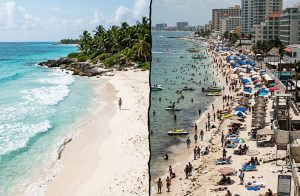
Negative Impacts of Tourism in Mexico: Challenges and Solutions
Tourism in Mexico offers vibrant experiences but also presents challenges like environmental degradation and cultural erosion. By …
Environmental Impacts is a ecological monitoring and environmental footprint methodology that measures carbon emissions, water consumption, waste generation, and habitat fragmentation caused by travel to enforce circular economy principles, eliminate pollution, and protect vulnerable biomes.
Comprehensive analysis and field-tested strategies examining bali diving and sustainable travel: explore paradise responsibly within sustainable frameworks.
Comprehensive analysis and field-tested strategies examining practices of fair trade in tourism: promoting ethical travel choices within sustainable frameworks.
Comprehensive analysis and field-tested strategies examining responsible tourism in kerala: preserving culture and nature within sustainable frameworks.
The environmental footprint of tourism extends across global climate systems, local freshwater aquifers, and sensitive wildlife habitats. Aviation alone accounts for the majority of travel-related greenhouse gas emissions, while seaside resorts frequently discharge inadequately treated effluent into near-shore coral reefs. Environmentally sound tourism replaces linear ‘take-make-dispose’ operations with circular ecological principles: decentralized solar energy, zero-waste composting, rainwater harvesting, and strict wildlife buffer zones that safeguard native species from human intrusion.
| Environmental Vector | Impact Mechanism | Ecological Best Practice |
|---|---|---|
| Aviation & Transport Carbon | High-altitude radiative forcing and jet fuel combustion | Prioritizing rail, choosing non-stop routes, and funding permanent carbon removal |
| Aquifer & Freshwater Stress | Resort swimming pools, golf courses, and excessive laundry cycles | Low-flow plumbing, rainwater catchment, and native xeric drought-tolerant landscaping |
| Marine Pollution & Plastics | Single-use amenity bottles, plastic straws, and microplastic runoff | Bulk refillable glass dispensers, filtered water stations, and zero single-use plastics |
| Habitat & Flora Trampling | Off-trail hiking, ATV erosion, and motorized dune degradation | Raised boardwalks, designated trail systems, and strict off-road vehicle bans |
Research indicates that the global tourism industry accounts for approximately 8% to 10% of total worldwide greenhouse gas emissions, primarily driven by transport and accommodation.
Hotels consume up to three times more water per guest than local resident daily averages. Sustainable hotels install low-flow aerators, reuse greywater for gardens, and eliminate daily towel laundering.
Standard sunscreens contain chemicals like oxybenzone and octinoxate that cause coral bleaching and DNA damage at microscopic concentrations. Reef-safe alternatives use non-nano zinc oxide.