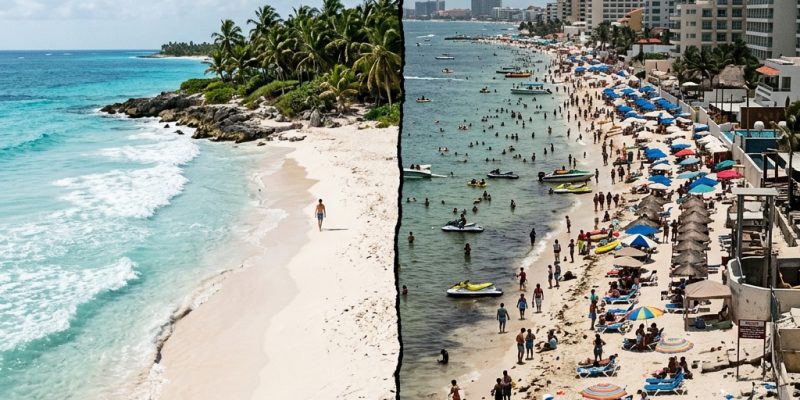
Negative impacts of tourism in Mexico are increasingly visible, serving as a double-edged sword that offers economic opportunities while posing notable environmental and social challenges. As visitor numbers swell, so do issues like cultural degradation, environmental harm, and resource strain. Understanding these impacts is crucial for developing sustainable strategies that protect both communities and ecosystems while ensuring tourism remains a vital industry.
Quick Answer
The negative impacts of tourism in Mexico encompass severe environmental degradation, particularly Mexican Caribbean pollution, and profound socio-economic challenges. The consequences of mass tourism include intense water strain, wealth inequality, and the frequent displacement of local communities by all-inclusive resorts. Balancing these factors requires sustainable ecotourism, community-led initiatives, and robust regulatory frameworks to protect the nation’s unique cultural identity and natural resources.
Understanding the Environmental Strain: Pollution and Deforestation
Every year, millions flock to Mexico’s vibrant shores, ancient ruins, and bustling cities. However, behind the allure lies a significant challenge: environmental degradation in Mexico. The mass tourism consequences Mexico faces are stark, with the tourism industry driving habitat destruction and pollution. In the lush regions of the south, deforestation driven by resort expansion has reached critical levels. Research indicates a direct correlation between tourism-driven deforestation and local climate micro-changes in the Yucatan Peninsula. The clearing of mangroves and coastal jungles has not only destroyed habitats but has also led to increased localized temperatures and altered rainfall patterns, threatening unique ecosystems.
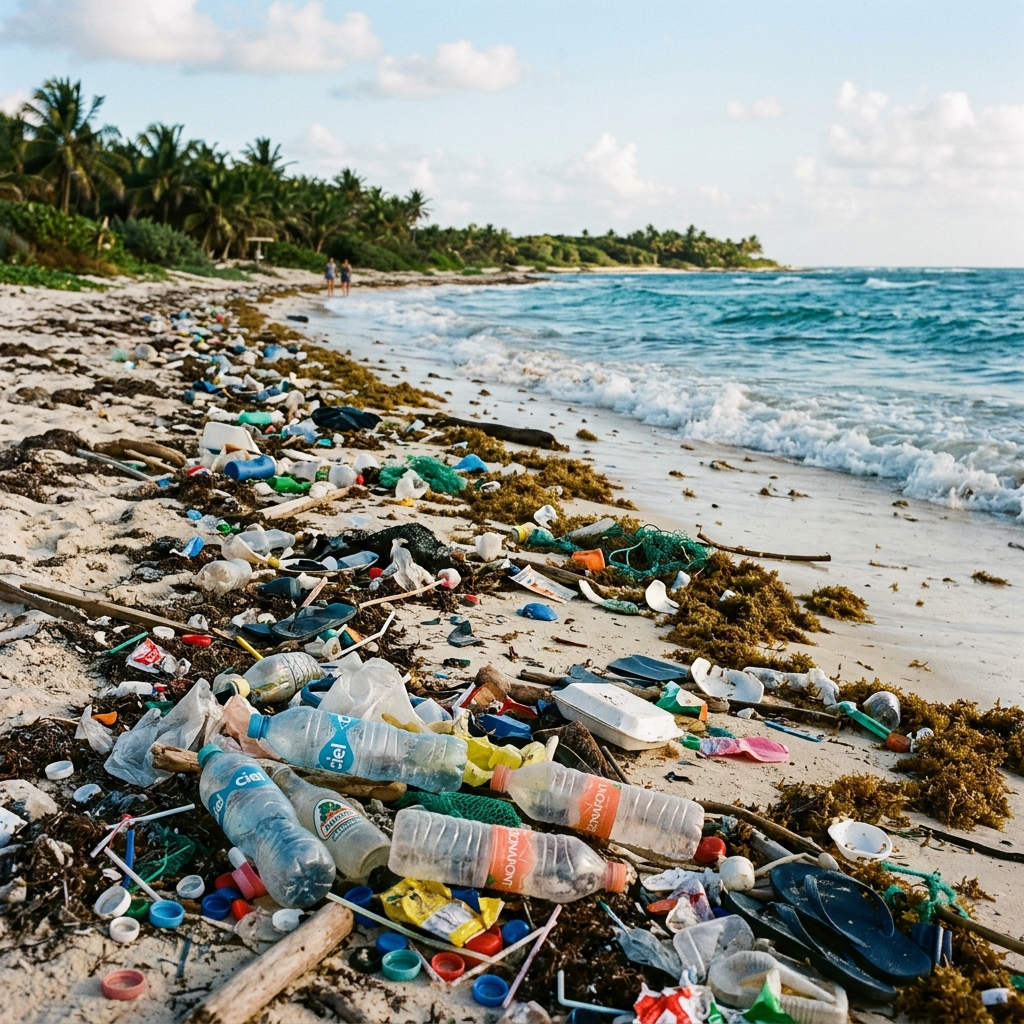
Furthermore, Mexican Caribbean pollution has become a glaring issue. The sheer volume of waste and pollution generated from tourism—including plastic waste and inadequately treated sewage—overwhelms local waste management systems, severely damaging coral reefs and marine biodiversity.
Economic Imbalances: Water Strain and Wealth Inequality

The allure of bustling tourist spots often masks the stark contrast between wealth and poverty. In destinations heavily dependent on tourism, the influx of visitors places immense pressure on local resources. The water strain tourism Mexico experiences is particularly alarming. Data reveals a staggering disparity: in areas like Cancun, the exact water consumption ratio between a tourist and a local resident can be as high as 15:1. A single tourist in an all-inclusive resort may consume over 500 liters of water daily for pools, golf courses, and landscaping, while local communities face severe water rationing and shortages.
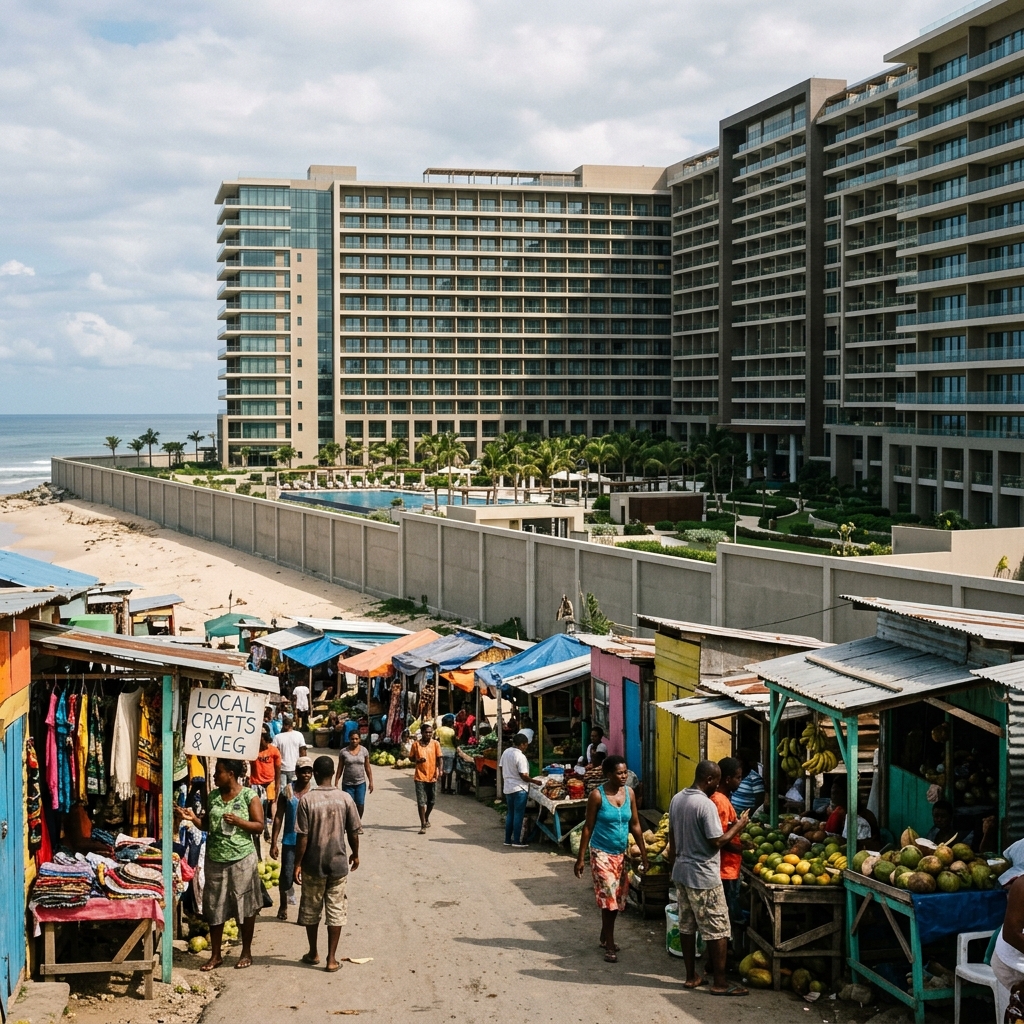
This disparity fundamentally impacts local livelihoods and highlights the deep wealth inequality that characterizes these regions. Profits generated from tourism are frequently funneled out of the region by multinational corporations, exacerbating socio-economic challenges and leaving local infrastructure underfunded.
Social Issues and Community Displacement: The Human Cost of Tourism
When tourism flourishes unmanaged, it often comes at a steep price for local communities. The social impact of tourism in Mexico is profoundly felt through the displacement local communities mexico tourism creates. As property values surge due to demand for short-term rentals and accommodations, locals are frequently priced out of their historic neighborhoods.
Despite these pressures, there is growing resistance. Detailed examples of communities reclaiming spaces or resisting the ‘all-inclusive’ models can be seen in coastal towns of Oaxaca, where local cooperatives have successfully halted mega-resort developments in favor of community-owned eco-cabins. This grassroots pushback is vital, as unmanaged gentrification not only destroys community bonds but also contributes to rising crime rates tourist areas mexico experience when marginalized populations are pushed to the fringes of thriving tourist hubs.
Cultural Erosion: Preserving Traditions Amidst Globalization
As mass tourism swells, the rich tapestry of local cultures faces unprecedented challenges. The influx of visitors catalyzes the erosion of traditional practices and cultural identity. This phenomenon transforms unique cultural expressions into commodified experiences tailored for mass consumption. The very practices that once defined communities fade, replaced by simplified versions designed for tourist satisfaction.
To combat this cultural erosion, local artisans and vendors must be supported rather than overshadowed by colossal corporate structures. When travelers purchase handicrafts directly from artisans instead of mass-produced souvenirs, they contribute to the survival of traditional techniques and skills.
Collaborative Solutions: Engaging Local Communities
Addressing the negative impacts of tourism in Mexico requires proactive strategies and sustainable alternatives. Specific local initiatives trying to balance mass tourism with conservation are leading the way. For instance, the Maya Ka’an initiative in Quintana Roo offers a community-based tourism model that bypasses mega-resorts, ensuring that tourism revenue directly supports indigenous Mayan communities while prioritizing the conservation of the Sian Ka’an Biosphere Reserve.
| Challenge | Impact on Environment & Society | Sustainable Solution |
|---|---|---|
| Water Scarcity | Overuse by resorts leading to local rationing. | Mandatory water recycling and rainwater harvesting. |
| Displacement | Rising living costs force locals out of their communities. | Rental caps and community-owned eco-tourism. |
| Waste Overload | Pollution threatens marine life in the Mexican Caribbean. | Strict single-use plastic bans and improved local waste management. |
Get our latest guides, news, and insights highlighted in your Google Search & AI Overviews.


