Navigating Jamaica’s Single-Use Plastic Ban
One of the most significant steps Jamaica has taken toward environmental preservation is its stringent ban on single-use plastics and Styrofoam. Implemented in phases since 2019, this ban prohibits the importation, manufacture, and distribution of single-use plastic bags, plastic straws, and Styrofoam food containers. For tourists, navigating this ban is an essential part of responsible travel.
When you arrive, you will notice that supermarkets and vendors no longer provide plastic bags. To adapt, travelers should pack reusable tote bags for shopping, stainless steel or bamboo straws, and a high-quality reusable water bottle. While tap water is generally safe to drink in major tourist areas, carrying a filtered bottle ensures you stay hydrated without contributing to plastic pollution. By respecting this legislation, you actively participate in protecting Jamaica’s marine life and coastal ecosystems from the devastating effects of plastic waste.
The Financial Reality: Local Eco-Lodges vs. All-Inclusive Resorts
A common misconception is that sustainable travel is prohibitively expensive. In reality, choosing local eco-lodges over massive all-inclusive resorts can often be more cost-effective while delivering a superior, authentic experience. All-inclusive resorts in popular areas like Montego Bay or Ocho Rios typically range from $250 to $800+ per night. While convenient, a significant portion of this revenue leaks out of the country to foreign corporate owners.
In contrast, eco-lodges and guesthouses rooted in Community-Based Tourism (CBT) offer profound value. Establishments in the Blue Mountains or along the less-developed South Coast often cost between $80 and $180 per night. These accommodations frequently include locally sourced, farm-to-table meals and immersive cultural activities. Your money directly supports the local economy, funds conservation projects, and provides fair wages to Jamaican staff. When you break down the exact costs, eco-lodges not only fit comfortably within a standard travel budget but also offer an unparalleled return on investment in terms of authenticity and impact.
Connecting with Local Guides: Booking Direct
To truly embrace sustainable travel jamaica, cutting out the middleman is crucial. International booking platforms and large tour aggregators often take commissions as high as 25% to 40%, significantly reducing the income that actually reaches the local guides doing the hard work. Booking directly empowers these guides and ensures your tourism dollars stay within the community.
Finding local guides requires a bit of research. Look for community tourism cooperatives or local community boards. For example, when visiting the Black River to see the Jamaican crocodiles, seek out independent boat operators rather than booking a generalized package from your hotel desk. You can often find direct contact details through local tourism networks, social media pages dedicated to jamaica nature experiences, or by asking your eco-lodge host for recommendations. Direct communication also allows you to customize your tour and build a personal connection before you even arrive.
| Booking Method | Cost Impact | Community Benefit |
|---|---|---|
| International Aggregator | Higher markup, hidden fees | Minimal; large commission lost to foreign entities |
| Hotel Tour Desk | Convenient but inflated prices | Moderate; hotel takes a significant cut |
| Direct to Local Guide | Fair pricing, directly negotiated | Maximum; 100% of funds support the guide and their family |
A Structured 7-Day Sustainable Tourism Itinerary in Jamaica
For those eager to experience the best eco-friendly destinations jamaica has to offer, having a well-planned itinerary ensures you maximize your time while minimizing your footprint. This 7-day sustainable itinerary is designed to immerse you in Jamaica’s natural and cultural heritage.
Arrive in Kingston. Transfer to a locally owned guesthouse. Spend the afternoon visiting the Hope Zoo, which plays a pivotal role in local conservation, particularly for the endangered Jamaican Iguana. Enjoy dinner at a farm-to-table restaurant supporting local agriculture.
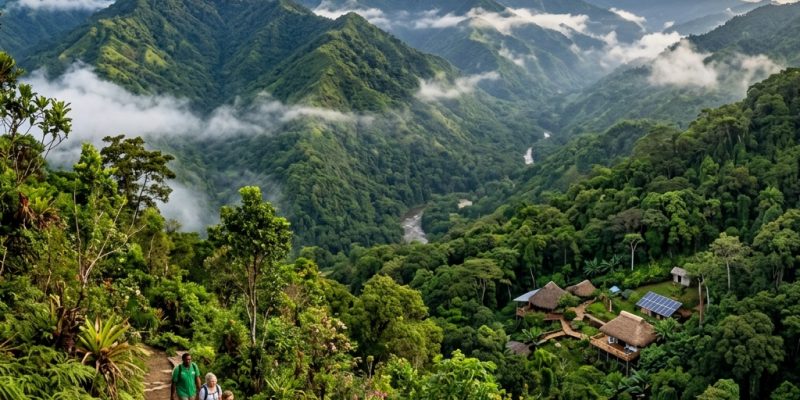
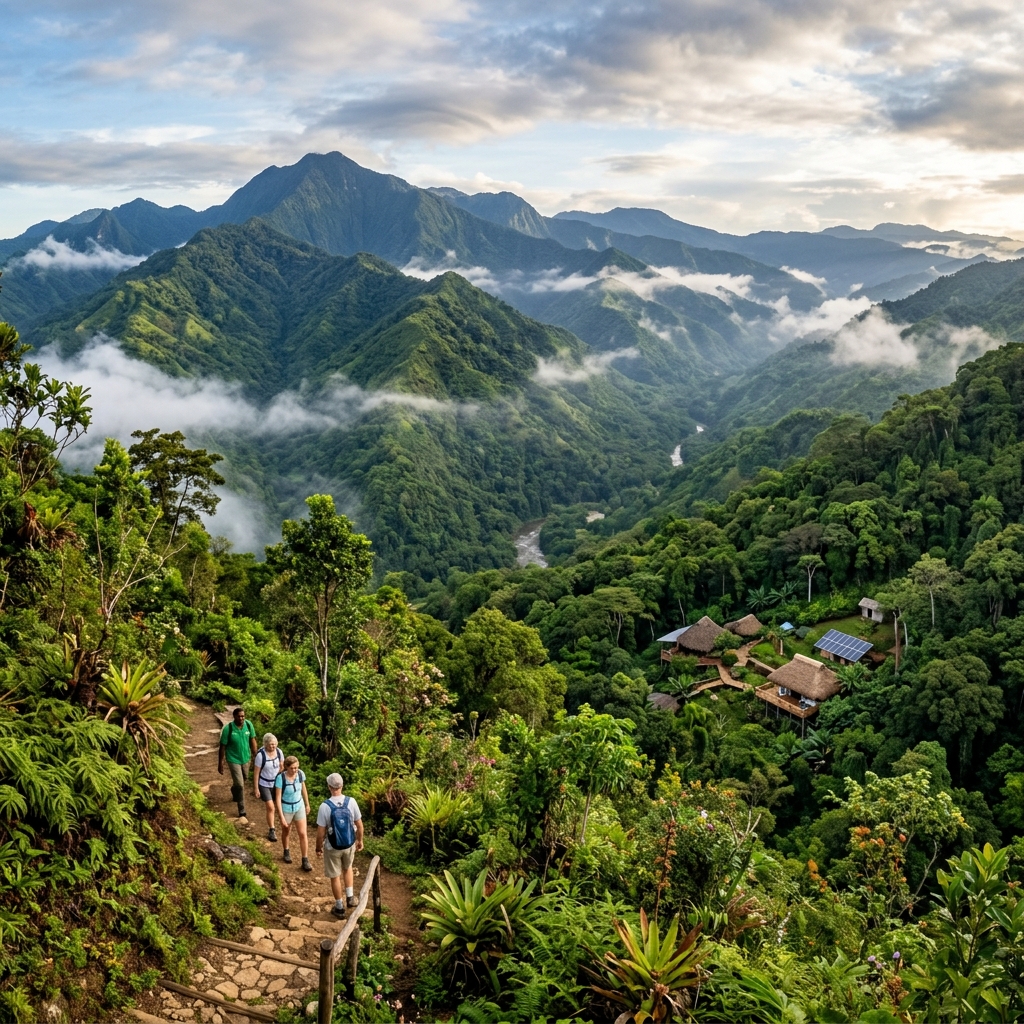
Day 2: Blue and John Crow Mountains National ParkHead up to the Blue Mountains. Engage in a guided hike with a local expert to learn about endemic flora and fauna. Visit a sustainable coffee farm to understand shade-grown coffee practices. Overnight in a mountain eco-lodge.
Day 3: Indigenous Heritage & PortlandTravel to Portland. Visit a Maroon village to learn about their history, sustainable farming methods, and herbal medicine. This is Community-Based Tourism (CBT) at its finest. Enjoy a traditional meal prepared by the community.
Day 4: Coastal Conservation in Port AntonioExplore the stunning coastline of Port Antonio. Participate in a guided eco-tour on a bamboo raft down the Rio Grande, a low-impact activity that supports local raftsmen. Learn about coastal erosion and local efforts to protect the shoreline.
Day 5: Bird Watching & SanctuariesTravel west toward Montego Bay but detour to the Rocklands Bird Sanctuary in Anchovy. Here, you can sit peacefully as hummingbirds, including the endemic Red-billed Streamertail, land on your finger. It’s a prime example of a jamaica nature experience that respects wildlife.
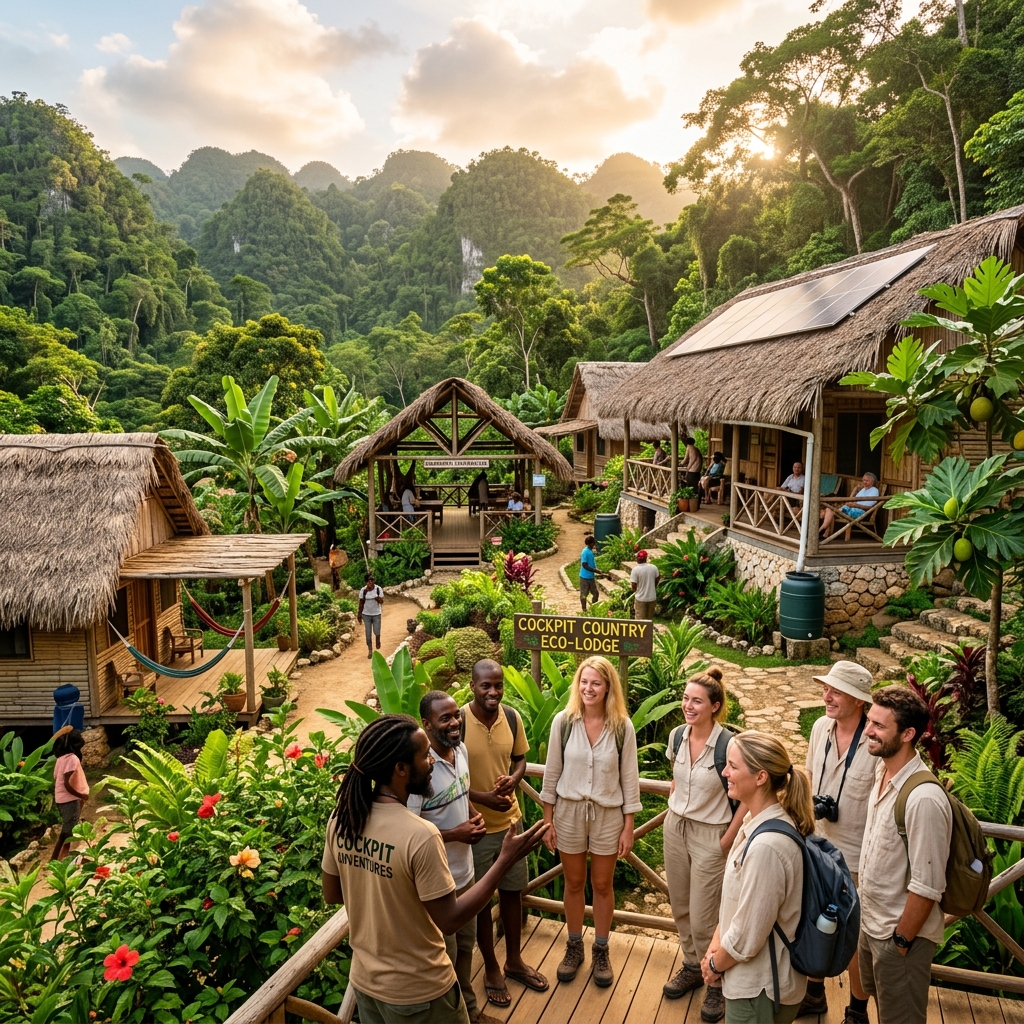
Day 6: The Enigmatic Cockpit Country & Black RiverVenture into the rugged terrain of Cockpit Country, an area crucial for biodiversity and the island’s freshwater supply. Later, head to the South Coast to explore the Black River morass. Book directly with a local boat operator to observe the American crocodile and diverse birdlife in their natural habitat.
Day 7: Reflection & DepartureSpend your final morning participating in a local beach clean-up or visiting a community craft market to purchase sustainable souvenirs. Depart from Montego Bay with a deeper appreciation for the island’s ecological and cultural wealth.
Voices of Conservation: Insights from Local Experts
To truly understand the impact of eco tourism, we must listen to the stewards of the land. Firsthand interviews with local conservationists reveal the passion and challenges behind protecting Jamaica’s ecosystems.
“Our greatest asset is our biodiversity, but it is also our most fragile,” explains Dr. Arlene, a marine biologist working on coral reef restoration along the North Coast. “When tourists choose certified eco-tours, they aren’t just paying for an experience; they are funding the science and the patrols that keep these reefs alive for the next generation.”
Another local hero, Marcus, who leads hikes in the Blue Mountains, notes: “Community-Based Tourism (CBT) changed everything for us. Before, young people left the villages to find work in the city. Now, they can become certified guides, protecting the very forests they grew up in because the forest provides their livelihood.”
Protecting the Wildlife: Endemic Species and Habitats
Jamaica’s isolation as an island has led to a high rate of endemism—species found nowhere else on Earth. The Blue and John Crow Mountains National Park, a UNESCO World Heritage site, is a sanctuary for much of this wildlife. However, the island’s unique creatures face threats from habitat loss and climate change.
Conservation programs are fighting back. The Hope Zoo in Kingston has been instrumental in the captive breeding and release of the Jamaican Iguana, once thought to be extinct. By supporting facilities and tours that prioritize conservation, travelers help fund these critical survival programs. Similarly, the elusive Yellow Boa, Jamaica’s largest native snake, is protected within the rugged limestone hills of Cockpit Country. Ecotourism brings awareness and economic value to these creatures, transforming local attitudes from fear to pride and protection.
Aquatic environments are equally important. The Black River ecosystem is a complex wetland that filters water and provides a nursery for fish and habitat for crocodiles. Sustainable tours here emphasize quiet observation, ensuring that the wildlife remains undisturbed. Up in the hills, the Rocklands Bird Sanctuary offers an intimate jamaica nature experience where the focus is entirely on avian conservation and education.
Certifications to Look For: Green Globe, EarthCheck, and Green Key
When planning your trip to eco-friendly destinations jamaica offers, it’s essential to look beyond the marketing and seek out properties with recognized sustainability certifications. These credentials guarantee that the hotel or tour operator adheres to strict environmental and social standards.
- Green Globe: One of the most recognized certifications globally, Green Globe evaluates sustainability performance across 44 core criteria. A Green Globe certified resort in Jamaica has proven its commitment to reducing energy consumption, managing waste, and supporting the local economy.
- EarthCheck: This rigorous, science-based certification focuses heavily on data. EarthCheck-certified properties meticulously track their carbon footprint, water usage, and waste output, ensuring continuous improvement year over year.
- Green Key: An eco-label awarded to accommodations and other hospitality facilities that commit to sustainable business practices. Choosing a Green Key certified guesthouse means supporting a business that actively reduces its environmental impact while educating guests on sustainability.
The Future of Eco Tourism in Jamaica
The future of sustainable travel in Jamaica relies on a delicate balance between welcoming visitors and protecting the island’s finite resources. By prioritizing Community-Based Tourism (CBT), embracing the ban on single-use plastics, and redirecting tourism dollars into local hands, travelers can be a force for good. Your choices—from the eco-lodge you book to the local guide you hire—shape the landscape of Jamaica’s tourism industry. Together, we can ensure that the island remains a vibrant, ecologically rich paradise for generations to come.
Frequently Asked Questions
What is the most eco-friendly way to travel around Jamaica?
The most eco-friendly way to travel is by utilizing public transportation, such as the Knutsford Express buses, which efficiently connect major towns. For local exploration, consider renting bicycles or hiring local drivers, which supports the local economy directly.
Are all-inclusive resorts in Jamaica eco-friendly?
While some large resorts have adopted sustainable practices and acquired certifications like EarthCheck or Green Globe, many still struggle with high waste output and energy consumption. For a truly sustainable experience, smaller eco-lodges and locally owned guesthouses are generally a better choice.
How strict is the single-use plastic ban in Jamaica?
The ban is strictly enforced regarding the import and distribution of single-use plastic bags, straws, and Styrofoam containers. Travelers are encouraged to bring their own reusable bags, water bottles, and utensils to comply with local laws and reduce waste.
Can I book eco-tours directly with locals?
Yes! Booking directly with local guides and community cooperatives is highly recommended. It cuts out middleman commissions, ensuring that 100% of your payment supports the guide and their community. You can find them through local tourism boards or recommendations from your eco-lodge.
Get our latest guides, news, and insights highlighted in your Google Search & AI Overviews.


