The Difference Between Ecotourism and Sustainable Tourism: Key Comparisons
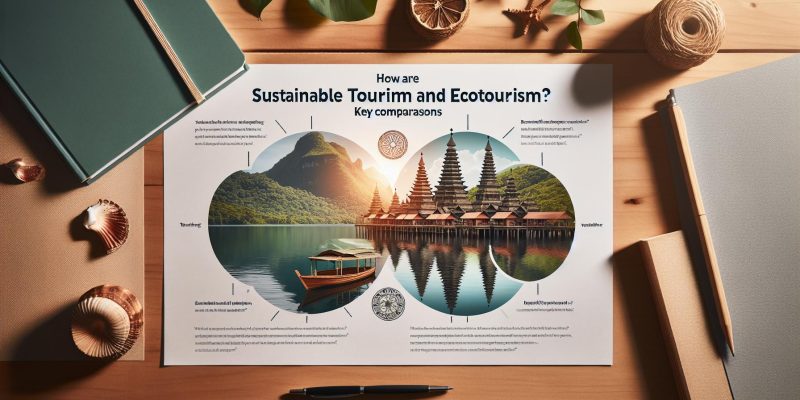
The difference between ecotourism and sustainable tourism lies in their scope and primary focus. Sustainable tourism is a broad, overarching concept aiming to ensure any type of travel—from urban luxury hotels to transatlantic flights—minimizes its carbon footprint and maximizes positive economic impacts for local communities. Ecotourism, however, is exclusively nature-based travel that actively funds environmental conservation, such as visiting and protecting remote wildlife sanctuaries.
Sustainable Tourism vs Ecotourism: Real-World Examples
When comparing sustainable tourism vs ecotourism, real-world examples clarify the distinction. Consider a standard city trip: staying in a solar-powered boutique hotel in downtown New York that recycles graywater and pays fair wages represents sustainable tourism. However, it is not ecotourism because it is an urban environment.
In contrast, examples of ecotourism involve traveling to Costa Rican rainforests or African savannas, where your booking directly supports indigenous guides and funds the protection of natural habitats. Both concepts aim for responsible tourism, but only ecotourism centers inherently on undisturbed natural environments.

Beware of Greenwashing: Certifications Matter
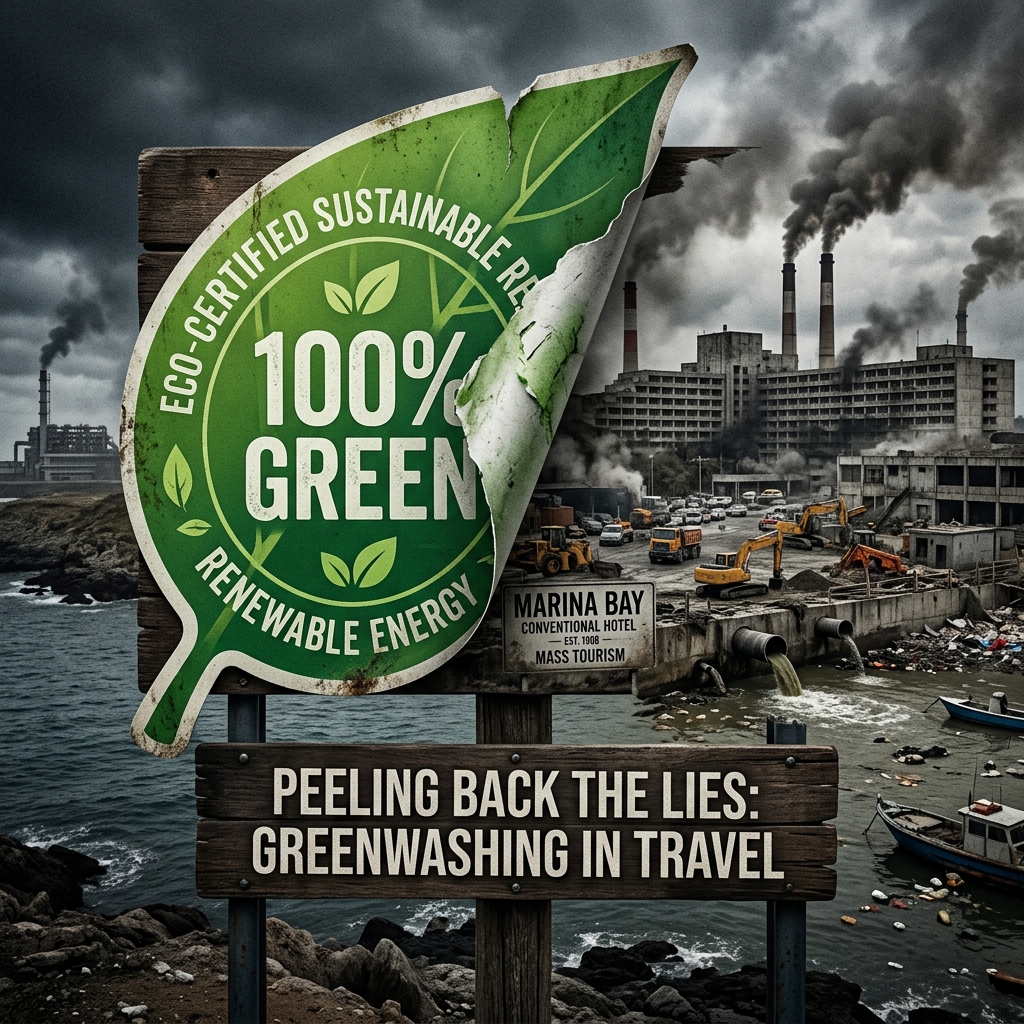
With the rapid rise of eco-friendly claims, greenwashing has become rampant in the travel industry. Many large resorts vaguely claim to be “green” merely by encouraging guests to reuse towels or by eliminating plastic straws. These are positive steps, but they do not constitute ecotourism.
True ecotourism and high-level sustainable operations require vetted certifications (like the Global Sustainable Tourism Council or Rainforest Alliance) that prove a measurable, positive impact on people, planet, profit. Always verify a lodge’s credentials before assuming your money goes toward genuine environmental conservation rather than just a marketing gimmick.
The Triple Bottom Line in Tourism
To measure the true impact of your journey, evaluate the triple bottom line in tourism. This framework demands that travel providers focus equally on social equity, ecological health, and economic viability. Does your journey support the local economy, preserve cultural heritage, and protect ecology?
Actionable tips include: booking directly with local communities to keep revenue in the destination, choosing low-emission transport to reduce your carbon footprint, and participating in wildlife viewing only with certified, non-exploitative organizations.
Ecotourism Highlights
- Immersive, nature-based travel
- Directly funds wildlife sanctuaries
- Focuses on undisturbed natural areas
Sustainable Highlights
- Applies anywhere (urban, rural, global)
- Maximizes positive economic impacts
- Reduces waste and energy consumption globally
Get our latest guides, news, and insights highlighted in your Google Search & AI Overviews.