
As communities grapple with economic challenges, the tourism sector emerges as a beacon of hope, driving growth and revitalization. This dynamic industry not only enhances local economies through job creation and tax revenue but also plays a crucial role in preserving culture and promoting social benefits.Understanding these advantages is vital for communities looking too thrive.
Understanding the Economic Impact of Tourism on Local Economies
The Transformative Power of Tourism
Tourism is not merely about exploring new destinations; it serves as a crucial catalyst for economic growth and development in local communities. In 2023, the travel and tourism sector contributed approximately 9.1% to global GDP, amounting to over $9.9 trillion, illustrating its immense economic importance and potential for local communities around the world [[2]]. This financial footprint, which is expected to expand further in coming years, underscores the benefits of tourism as a win-win approach for both travelers and local economies.
Job Creation and Wages
One of the most considerable benefits of tourism is its ability to create jobs.As destinations attract visitors, there is increased demand for a range of services, including accommodations, dining, entertainment, and transportation. This directly translates into job opportunities for local residents. For instance, the hospitality industry alone often offers a spectrum of positions, supporting not only direct employment but also ancillary roles in sectors such as agriculture and retail.
- Direct Employment: Jobs created within the tourism sector itself (hotels, restaurants, tour operators).
- Indirect Employment: Jobs generated in related sectors (food suppliers, artisans, and retailers).
- Induced Employment: Jobs resulting from spending by employees in the tourism sector.
Additionally, increased employment contributes to higher wages and improved living standards. Maximizing these opportunities is essential, as illustrated by many regions that have harnessed tourism to boost economic resilience post-economic downturns.
Local Investment and Infrastructure Development
Investment in tourism not only enhances local infrastructure but also stimulates overall economic development.When communities invest in facilities like airports, roads, and public transport to accommodate tourists, they concurrently improve accessibility for residents. These developments can lead to long-term benefits, enhancing the quality of life for locals while encouraging repeat visits from tourists.
| Infrastructure Investment | community Benefit |
|---|---|
| Upgraded Transportation Systems | Better access for residents and tourists, reducing commuting times and costs. |
| Enhanced Public spaces | improved community aesthetics and recreational opportunities for locals. |
| investment in Technology | Facilitated access to data and services, improving the visitor experience. |
Integrating tourism into local economies not only creates a robust financial model but also fosters community pride and engagement. By understanding and leveraging the economic impact of tourism,communities can advocate for initiatives that bolster these benefits,ensuring enduring growth and mutual prosperity.
Strengthening Community Identity Through Cultural Exchange
Enhancing Community Identity Through Cultural Exchange
Cultural exchange serves as a dynamic catalyst for strengthening community identity, allowing local traditions and shared values to flourish in the global landscape. When communities embrace tourism, they not only showcase their unique cultures but also invite visitors to participate in and appreciate these traditions. This engagement fosters a deeper understanding and respect among diverse populations, ultimately reinforcing a sense of belonging and pride within the community.
One of the most profound benefits of cultural exchange is its ability to create a platform for dialog. through festivals,workshops,and art exhibitions,communities can share their stories and experiences,which can significantly enhance social cohesion. This exchange fosters a collective identity as residents actively engage in telling their stories and showcasing their heritage to visitors. such interactions often inspire locals to delve deeper into their cultural roots,revitalizing traditions that may have been overlooked.
- Promotes Local Arts and Crafts: Supporting local artisans helps preserve unique cultural expressions that might otherwise fade away.
- Encourages Community Participation: Activities that involve local residents can deepen community bonds and pride.
- Builds Global Understanding: Interactions with tourists provide insight into different cultures, promoting mutual respect and appreciation.
By facilitating these exchanges, communities not only highlight their own identities but also contribute to a larger narrative that values diversity and cultural heritage. This approach not only enhances the community’s visibility on the global stage but also taps into the economic advantages discussed in the article ‘Benefits of Tourism to Local Communities: A Win-Win Approach.’ Ultimately, such cultural exchanges can lead to sustainable tourism practices that benefit both visitors and local residents, ensuring that the essence of the community is preserved and celebrated.
Opportunities for sustainable Development in Tourism
Unlocking Potential through Community-Focused Tourism
Tourism emerges as a powerful catalyst for local development when communities actively participate in its planning and execution.By embracing community-based tourism,local areas can harness their unique cultural and natural assets,transforming them into sustainable economic opportunities that benefit all stakeholders involved.This approach not only fosters pride among residents but also encourages tourists to engage in authentic experiences that reflect the true essence of a destination.
The integration of sustainable tourism practices offers numerous opportunities for local communities, including:
- Job Creation: Sustainable tourism projects create a variety of jobs, from hospitality and tour guiding to local artisanship, significantly boosting local employment rates.
- Infrastructure Development: Investments in tourism can lead to improvements in local infrastructure—like roads, communications, and public spaces—that benefit residents long after tourists leave.
- Environmental Conservation: Community-led initiatives frequently enough emphasize environmental stewardship, promoting the preservation of natural resources and habitats that sustain both tourism and local livelihoods.
- Cultural Preservation: By showcasing local traditions and customs, tourism can help keep cultural practices alive and encourage intergenerational learning.
real-life Success Stories
Involving communities in tourism opens numerous pathways to sustainable development. For instance, in rural areas of Nepal, local communities have taken charge of trekking routes, ensuring that the economic benefits of tourism remain within the region. As a result, they have seen improvements in education and healthcare facilities funded by tourism revenue while preserving their natural heritage and promoting responsible travel practices.
Similarly, in parts of South Africa, community-based wildlife tourism initiatives have empowered local populations to manage their natural resources, fostering a sense of ownership and obligation. This not only helps protect wildlife but also generates income through eco-lodges and guided tours, promoting a win-win scenario that benefits the environment and local economies simultaneously.
Taking Action
To fully realize the advantages of tourism for local communities, stakeholders must adopt strategic approaches:
| Action Step | Benefit |
|---|---|
| Engage community members in planning | Ensures the tourism model reflects local needs and values, fostering community support. |
| Focus on training and capacity building | Equips locals with the necessary skills to manage tourism enterprises effectively. |
| Promote local products and services | Helps retain more tourism revenue within the community and supports local businesses. |
| Implement sustainable practices | Minimizes environmental impact, ensuring the longevity of tourism resources. |
By adopting these measures, communities can maximize the benefits of tourism while ensuring sustainable development, demonstrating that tourism truly can be a win-win approach when done thoughtfully and collaboratively.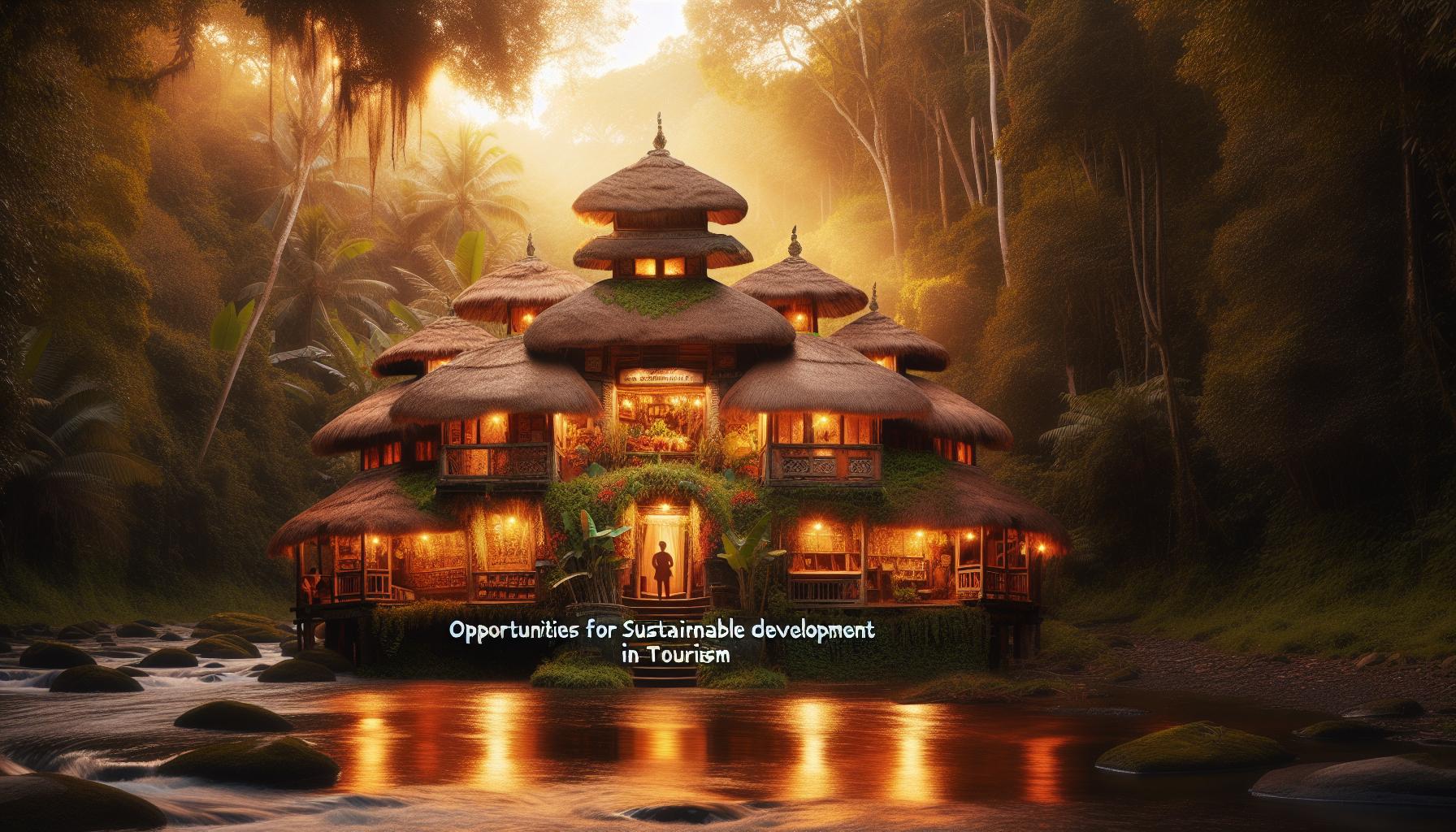
Enhancing Local Infrastructure and Public Services
transforming Communities Through Infrastructure Development
Did you know that for every 1% increase in tourism, there can be a significant boost in local infrastructure development? This correlation illustrates how tourism not only enhances a region’s appeal but also drives vital improvements in public services. As local communities welcome tourists, they often necessitate upgrades in infrastructure—leading to enduring benefits that extend well beyond the tourism sector.
Strengthened infrastructure is critical for sustaining both visitors and residents. Enhanced roads, improved public transportation, and upgraded recreational facilities not only make a destination more attractive but also elevate the quality of life for local residents. When a community invests in developing hotels, restaurants, and various attractions, these developments create jobs, enhance economic stability, and invite further investment.This cyclical benefit is a key example of the advantages of tourism to local communities: a win-win situation where both visitors and residents thrive.
Key Benefits of Infrastructure Improvements
- Job Creation: Developing tourism-related infrastructure generates new employment opportunities, from construction to service industry roles.
- Economic Growth: Improved access and transportation networks contribute to a vibrant local economy, benefiting both tourists and the local populace alike.
- Community Development: Infrastructure enhancement includes parks and public spaces,fostering community engagement and recreational opportunities for residents.
The ripple effects of these improvements can be observed in various successful case studies globally. As a notable example, in cities that have prioritized tourism-led infrastructure, such as Barcelona and Kyoto, the resulting enhancements have attracted millions of visitors while ensuring that local communities benefit through better public transport and cleaner public spaces. By prioritizing the transformation of local infrastructure in alignment with tourism growth, communities set the stage for a sustainable future, demonstrating the powerful impact of tourism as a catalyst for positive change.
Empowering Local Entrepreneurs and Small Businesses
Fueling Local Entrepreneurship
Tourism acts as a catalyst for local entrepreneurship, enabling individuals and small businesses to flourish in ways that might not have been possible otherwise. As visitors flock to new destinations, local entrepreneurs are empowered to launch ventures such as guesthouses, tour operators, and food stalls, all of which enrich the community’s economy.The influx of tourists brings not just a demand for services but also an opportunity for residents to showcase their unique offerings and cultural heritage.
Creating Diverse Opportunities
The benefits of tourism extend beyond traditional hospitality sectors. Local entrepreneurs can capitalize on various niches, including artisanal crafts, culinary experiences, and immersive cultural tours. for example, a small village may see a budding market for handmade crafts, where resident artisans gain exposure and sell their products to tourists eager for authentic souvenirs.This not only bolsters individual livelihoods but also reinforces a sense of pride and sustainability within the community.
- Guesthouses and Homestays: Local families can rent out rooms, providing authentic experiences while generating income.
- Food Services: Street vendors and small restaurants thrive by offering local cuisine, catering to visitors’ culinary curiosity.
- Guided Tours: Residents can share their knowledge of local history and culture through organized tours,enhancing the visitor experience.
Challenges and Support Mechanisms
While tourism presents vast opportunities, local entrepreneurs often encounter challenges such as competition from larger companies and the need for initial capital. To mitigate these issues, communities can foster collaboration through local business networks and initiatives that support small enterprises. By pooling resources,sharing best practices,and providing training,local businesses can enhance their competitiveness and sustainability.
| Support Mechanism | Description |
|---|---|
| Workshops | Training sessions on marketing, customer service, and product development. |
| Microloans | Small loans to help entrepreneurs start or expand their businesses. |
| Networking Events | Opportunities for local business owners to connect and collaborate. |
Through strategic support and the unique offerings they can provide, local entrepreneurs play a vital role in harnessing the benefits of tourism to local communities. This symbiotic relationship, highlighted in the context of the ‘Benefits of Tourism to Local Communities: A Win-Win Approach,’ ultimately leads to a prosperous local economy that honors its cultural roots while embracing new opportunities.
Fostering Inclusivity and Social Cohesion in Travel
The Transformative Power of Inclusive Travel
Travel not only enriches individual experiences but also fosters social cohesion by bridging cultural divides. When tourism embraces inclusivity, it creates an environment where diverse groups can come together, share their stories, and learn from one another. this positive interaction helps to break down stereotypes and fosters understanding among various communities. For local businesses,embracing inclusivity is not just a moral obligation; it also expands their customer base and enhances community ties.
- Building Awareness: Travel companies can implement training programs that educate staff about cultural sensitivity and inclusivity, ensuring that all guests feel welcome and respected.
- Community Engagement: Encourage local communities to participate in tourism initiatives, providing them with a stake in the success of local ventures while embracing their unique cultural contributions.
- Accessible Infrastructure: Ensure that tourism facilities and services cater to people with different physical abilities, creating a more accessible environment for all travelers.
Real-World Examples of Inclusivity in Action
Many travel organizations are already paving the way for inclusivity, demonstrating the benefits tourism can bring to local communities. For instance, the World Travel & Tourism Council highlights initiatives aimed at enhancing diversity within the travel workforce, which includes programs specifically targeting the employment of women and minorities [[1]](https://wttc.org/social-impact/inclusion-diversity-social-impact).
Additionally, research has shown that by integrating an inclusive approach into their operations, travel companies can significantly enhance brand loyalty and customer satisfaction [[2]](https://sustainablebrands.com/read/research-more-inclusive-travel-industry). For example, destinations that prioritize accessibility have reported higher visitor satisfaction ratings and extended stays, showcasing the reciprocal benefits of fostering an inclusive atmosphere.
| Benefit | Impact on Local Communities |
|---|---|
| Increased Employment Opportunities | More jobs for residents leading to economic stability. |
| Enhanced Cultural Exchange | Greater understanding and appreciation of diverse cultures. |
| Improved Local Services | Investment in infrastructure benefits all community members. |
By employing these strategies and recognizing the importance of inclusivity in tourism, we can create a landscape where both the travel industry and local communities thrive, embodying the essence of the *Benefits of Tourism to local Communities: A Win-Win Approach*.
Environmental Stewardship: Balancing Tourism and Nature
The interplay Between Tourism and Nature
Did you know that sustainable tourism practices can lead to more vibrant local economies while also protecting the natural environment? As we engage with beautiful landscapes and unique ecosystems, it is crucial to remember that the way we travel can either support or undermine the delicate balance of these areas. By embracing a philosophy of environmental stewardship, tourists have the power to promote conservation and create a symbiotic relationship between their journeys and the communities they visit.
One significant aspect of this balance is responsible wildlife interactions. Tourists can opt for eco-pleasant activities, such as guided nature walks or wildlife reserves that adhere to ethical guidelines. These options not only help preserve biodiversity but also provide locals with sustainable income sources. Engaging with wildlife in a mindful manner ensures that these animals remain undisturbed in their natural habitats, fostering a sense of coexistence and appreciation among visitors.
Additionally, sustainable tourism initiatives can directly benefit local communities. When travelers choose to support eco-tours and stay in locally-owned accommodations, they inject funds into the community, encouraging the preservation of their cultural and natural heritage. Here are some practical steps tourists can take to contribute to this balance:
- Choose eco-certified operators: Look for tours that prioritize environmental conservation and support local culture.
- Minimize waste: Bring reusable items such as water bottles and bags to reduce single-use plastics.
- Participate in conservation projects: Engage in activities that contribute to ecological restoration or community development.
Building a Legacy of Care
Ultimately, the benefits of tourism to local communities extend far beyond financial gains; they encompass a broader responsibility for the environment. By practicing environmental stewardship, travelers can help ensure that the landscapes they cherish remain intact for future generations. This win-win approach not only enhances the travel experience but also fosters a culture of sustainability that can inspire others. As we continue to explore our planet, let us strive to act as guardians of these invaluable resources, celebrating the harmony that exists between thoughtful tourism and nature.
Building Resilience: Preparing Communities for Future Challenges
Resilience Through Community Engagement
Did you know that communities that actively engage in tourism initiatives are often more resilient to economic and environmental challenges? By harnessing the benefits of tourism to local communities,areas can not only boost their local economies but also build vital social networks that enhance their capacity to cope with future adversities. This proactive approach transforms tourism into a tool for sustainable development, where the emphasis is on collective strength and adaptability.
to build resilience, local communities can develop diversified tourism offerings that respond to shifting market demands and environmental conditions. Such as, a coastal town may promote eco-tourism to attract visitors while simultaneously educating them about conservation practices. Such strategies not only create jobs but also instill pride and investment in local resources, cultivating a sense of ownership among community members.
Strategies for Future Preparedness
Here are several actionable strategies that can definitely help communities prepare for future challenges through tourism:
- Diverse Economic Opportunities: Encourage a variety of tourism-related businesses, from hospitality to artisanal shops, to minimize reliance on any singular revenue source.
- Community Involvement: Foster ways for locals to contribute ideas and participate in tourism planning, ensuring that the benefits are widely shared.
- Education and Training: Invest in training programs for residents in areas such as hospitality management, environmental stewardship, and marketing to enhance their tourism-related skills.
- Emergency Preparedness Plans: Develop and regularly update plans for how tourism operations will respond to natural disasters or economic downturns.
By taking these measures, communities can transform tourism into a robust pillar of resilience, ready to face future challenges while reaping the numerous benefits that tourism can provide. Facilitating both environmental and cultural sustainability through these efforts ensures that the advantages of tourism extend far beyond economic upliftment, creating a stronger, more unified community dedicated to thriving together.
Creating Lasting memories: The Social Benefits of Welcoming Visitors
Every bustling market, quaint café, and vibrant street festival tells a story about the unique culture and heritage of a community.When visitors come to explore, they don’t just take memories home; they create connections that can enhance the local social fabric. The benefits of tourism to local communities stem not only from economic gains but also from the rich social interactions that ensue. This interaction presents a remarkable opportunity to foster greater cultural awareness and appreciation.
Building community Identity
Welcoming tourists encourages communities to embrace their own identities.As local traditions, arts, and crafts are showcased through various tourism platforms, residents become more invested in their cultural heritage. This investment nurtures pride and promotes the preservation of local customs, ensuring that younger generations inherit a rich legacy. Such as, festivals celebrating local history or unique culinary offerings often create a vibrant atmosphere that strengthens communal ties while enchanting visitors with authentic experiences.
Fostering Interactions and Understanding
Interactions between locals and tourists can lead to meaningful exchanges and mutual understanding. Local businesses benefit from the diverse perspectives that visitors bring,while residents gain appreciation for different cultures. To leverage these interactions, communities can encourage local participation in tourism activities, such as guided tours or workshops, where residents share their stories and skills.This not only enriches the experience for tourists but also fosters a sense of belonging and integration among locals.
Enhancing Social Infrastructure
The influx of tourists can also lead to improvements in social infrastructure. Increased demand for services such as transportation, hospitality, and entertainment frequently enough compels communities to enhance existing facilities. These upgrades not only cater to visitors but significantly enhance the quality of life for residents. By investing in parks, community centers, and recreational facilities, municipalities can create spaces that serve as social hubs, promoting interaction among residents. Moreover, tourism can help fund educational programs or community projects that benefit everyone.
| Social Benefits of Tourism | Impact on Communities |
|---|---|
| Strengthens Community identity | Encourages pride in local traditions and culture |
| Enhances Local Interaction | Facilitates meaningful exchanges between visitors and residents |
| Improves Infrastructure | Upgrades facilities that benefit both tourists and locals |
| Boosts Local economy | Increases job opportunities and supports local businesses |
the benefits of tourism to local communities go beyond economic advantages; they create an engaging and collaborative environment that nurtures lasting memories and bonds among residents and visitors alike. By embracing this dynamic relationship, communities can ensure that tourism remains a sustainable and enriching experience for everyone involved.
To Conclude
the benefits of tourism to local communities are profound and multifaceted. From driving economic growth through job creation and revenue influx to enhancing infrastructure that supports daily life, tourism serves as a catalyst for positive change. Additionally, it fosters cultural exchange and preservation, enriching the social fabric of communities. Embracing sustainable tourism practices not only enhances these benefits but also empowers local residents to share their heritage and environment with the world.
We encourage you to explore further how your travel choices can contribute to meaningful impacts on local communities. Consider seeking out experiences that not only enrich your journey but also support the very places you visit.Together, we can make tourism a truly win-win approach for everyone involved.