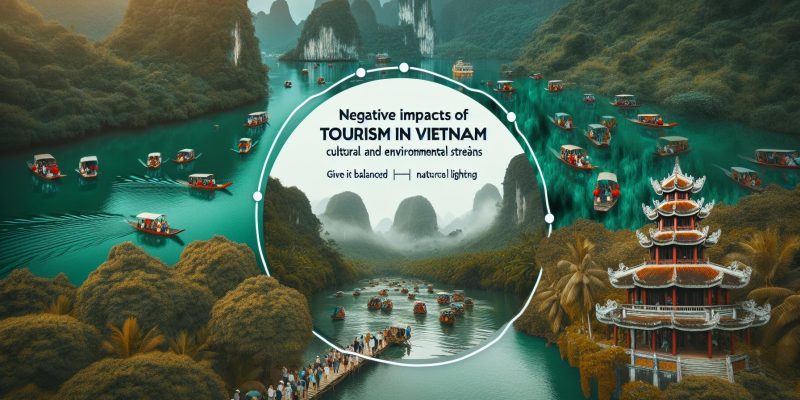
As Vietnam’s breathtaking landscapes and rich cultural heritage draw millions of visitors each year, the darker side of tourism emerges. While this influx stimulates economic growth, it also strains local traditions and ecosystems. Understanding these negative impacts is crucial for fostering enduring travel practices that protect Vietnam’s unique identity and environment for future generations.
The Cultural dilemma: Preserving Traditions Amidst Rapid Tourism Growth
The Intersection of Tradition and tourism
In Vietnam, vibrant traditions have flourished for centuries, deeply interwoven with the day-to-day lives of its people. As tourism surges, this cultural wealth finds itself at a crossroads, where the pressures of global visitors often collide with the desire to preserve authentic local customs. From the bustling streets of Hanoi to the serene landscapes of Hoi An, the influx of tourists brings not only economic opportunities but also important challenges to the preservation of cultural integrity.
The overwhelming presence of tourists can lead to a dilution of customary practices.Markets that once thrived on local clientele now cater predominantly to visitors, prioritizing souvenirs over genuine craftsmanship. In many rural villages, the allure of fast income from tourists has led to the commercialization of festivals and traditional arts, transforming them into mere spectacles rather than authentic expressions of community identity. this commodification risks turning rich cultural narratives into hollow performances, stripping away the very essence that makes them special.
Strategies for Sustainable Tourism
to navigate the cultural dilemma, stakeholders must adopt sustainable tourism practices that honor local heritage while accommodating visitor curiosity. Here are several actionable strategies:
- Community Involvement: Engage local communities in the decision-making process regarding tourism development.Their insights are invaluable in maintaining the authenticity of cultural expressions.
- Education and Awareness: Foster a respectful understanding of traditions among tourists through pre-visit education and on-site interpretation that emphasizes the significance of local customs.
- Regulation of Tourist Activities: Implement guidelines that limit the commercialization of cultural events, ensuring that they remain rooted in tradition rather than transformed for profit.
- Promoting Responsible Tourism: Encourage visitors to participate in cultural experiences that are sustainable and respectful, such as workshops with local artisans instead of mass-produced souvenirs.
A Lesson from Hoi An
A practical example can be seen in Hoi An, where the local government has mandated strict regulations to protect the city’s ancient sites and prevent over-commercialization. By promoting community-led initiatives that showcase authentic cuisine, crafts, and traditional performances, Hoi An has managed to retain much of its cultural integrity despite its popularity. Visitors are encouraged to engage in experiences that contribute to the local economy while respecting the traditions that define this ancient town.
As Vietnam grapples with the negative impacts of tourism,these strategies offer a pathway to harmonizing economic growth with cultural preservation,ensuring that the fabric of Vietnamese life remains vibrant for generations to come.
Environmental Stress: Exploring the Ecological footprints of Popular Destinations

Vietnam,known for its breathtaking landscapes and rich culture,is increasingly feeling the strain of its booming tourism industry. While the influx of visitors can boost local economies, it can also result in significant environmental degradation. Many popular destinations across the country now showcase stark ecological footprints that threaten their natural beauty and biodiversity.Understanding these impacts is crucial for preserving Vietnam’s natural treasures for future generations.
Key Environmental Stressors
The tourism boom has led to several pressing environmental issues, including:
- Pollution: Increased traffic and waste generation contribute to air and water pollution, particularly in hotspots like Ha Long Bay, where high volumes of tourist boats and inadequate waste management systems pose significant risks.
- Deforestation: The demand for infrastructure such as hotels and roads encroaches on valuable forested land, disrupting local ecosystems and leading to habitat loss for countless species.
- Overfishing: Coastal areas, such as those near Phu Quoc Island, are experiencing biodiversity loss due to unsustainable fishing practices intensified by rising tourist demand for seafood.
- Climate change: Areas like the Mekong Delta are particularly vulnerable as rising sea levels and extreme weather events exacerbate existing challenges, threatening both the environment and local livelihoods.
Example Destinations Under Pressure
transformative tourism trends have led to specific locations feeling the brunt of these negative impacts. As a notable example, in Central Vietnam, the ancient town of Hoi An is known for its charming streets and unique architecture. However, the continuous influx of tourists has resulted in physical wear on the structures and increased littering.
| Destination | Environmental Impact | Conservation Efforts |
|---|---|---|
| Ha Long Bay | Marine pollution, biodiversity loss | Regulations on boat tours; clean-up initiatives |
| Phong Nha-Ke Bang | Deforestation, habitat destruction | Strict entry limits; community-based tourism |
| Phong Nha Cave | Increased human foot traffic | Guided tours only; ecological research |
Actions Toward Sustainable Tourism
to mitigate these environmental strains, both travelers and local communities must adopt sustainable practices.Tourists can contribute by choosing eco-friendly accommodations and respecting local wildlife. Additionally, travelers should educate themselves on the cultural significance of destinations and actively participate in conservation efforts such as local cleanup days.
In tandem, local authorities and businesses can foster sustainable tourism by implementing measures like limiting visitor numbers to sensitive areas and promoting responsible waste disposal practices. Through collaborative efforts, Vietnam can not only protect its ecological heritage but also enhance the quality of life for its residents, ensuring that both culture and environment thrive in harmony.
Overcrowding: How Tourist Influx Affects Local communities and Resources

Over the past decade, Vietnam has emerged as one of the most sought-after travel destinations in Southeast Asia. With its rich history, stunning landscapes, and vibrant culture, the nation attracts millions of tourists annually. Though, this surge in visitor numbers has triggered significant challenges for local communities and ecosystems, marking a stark contrast between the allure of tourism and its burdensome reality.
The Balancing Act Between Tourism and community Welfare
As local economies thrive on the influx of tourists, the consequences of overcrowding can be detrimental to the very fabric of communities.Increased foot traffic often overwhelms infrastructure,leading to issues such as:
- Traffic Congestion: Popular destinations like Ha Long Bay and Hoi An experience severe congestion,affecting not only tourists but also local livelihoods.
- Rising Living Costs: As demand for accommodation and amenities booms, local residents often find themselves priced out, struggling to afford basic necessities.
- Degradation of Cultural Heritage: Overcrowding can lead to the deterioration of historical sites, impacting the ability of communities to preserve their cultural identity.
These complexities create an urgent need for sustainable tourism practices that allow local communities to flourish without sacrificing their identity or resources.
Resource Strains and Environmental Consequences
The environmental impacts of overcrowding are particularly alarming in ecologically sensitive regions. As a notable example, areas such as Phong Nha-Ke Bang National Park face pressure from both tourism and exploration, endangering the rich biodiversity that characterizes the region. Key environmental strains include:
| Environmental Strains | Effects |
|---|---|
| Waste management | Excessive trash and sewage can lead to water pollution and disrupt local ecosystems. |
| Deforestation | Increased construction for tourist facilities leads to loss of habitats for native wildlife. |
| Water Depletion | Higher demand for water resources can strain local supplies,affecting agriculture. |
Addressing these challenges requires a collaborative effort between government bodies, tourism operators, and local communities. By implementing policies that promote responsible tourism—such as limiting visitor numbers or investing in sustainable infrastructure—Vietnam can strike a balance that respects both the environment and the local populace, ensuring that tourism remains a positive influence rather than a detrimental strain.
The Impact on Authenticity: Balancing Modernization and Cultural Heritage
The Challenge of Maintaining Authenticity Amidst Modern Tourism
As tourism continues to expand in Vietnam, the delicate balance between modernization and the preservation of cultural heritage becomes increasingly complex. Tourist influx often leads to significant alterations in local customs, traditions, and practices, with many communities feeling pressured to cater to visitor expectations rather than uphold their authentic cultural expressions. As an example, traditional festivals may become commercialized events that prioritize entertainment over their historical significance, perhaps eroding the very essence of what makes these celebrations meaningful.
Consequences of Cultural Dilution
The phenomenon of cultural dilution presents a significant concern for destinations across Vietnam. With the rise in demanding tourists, many local artisans and community leaders may sacrifice authenticity to meet market trends. this can result in:
- Manufacturing of culturally inspired souvenirs that lack traditional craftsmanship
- Adoption of superficial elements of culture that attract tourists but do not reflect genuine practices
- Shifts in local cuisines to favor simpler, mass-appeal dishes that stray from authentic recipes
These changes not only affect the cultural landscape but also threaten the economic viability of communities that rely on sustainable tourism practices.As seen in various regions, this shift can lead to a loss of interest among younger generations in pursuing traditional arts and crafts, thereby impacting the longevity of cultural heritage.
Strategies for Balancing Modernization and Heritage
To mitigate the negative impacts of tourism on Vietnam’s cultural identity, it is indeed essential to implement strategies that emphasize sustainable tourism practices. This involves engaging local communities in the development process and fostering participatory models that respect traditional ways while accommodating modern influences. Potential strategies include:
- Participatory Planning: Involving local stakeholders in tourism planning to ensure their customs and needs are respected.
- Education and Awareness: Raising awareness among tourists about the importance of cultural preservation, encouraging them to engage with authenticity.
- Quality Control on Souvenirs: Implementing regulations or certifications for local artisans to preserve the integrity of traditional crafts.
By fostering a conscious approach to tourism, Vietnam can protect its rich cultural heritage while still benefiting from the economic advantages that tourists bring. This holistic strategy not only safeguards authenticity but also enriches the tourist experience, creating a more meaningful connection between visitors and the communities they explore.
Economic Disparities: Who Really Benefits from Tourism in Vietnam?

Did you know that while tourism in Vietnam contributes significantly to the national economy, the benefits are not evenly distributed among the population? An intricate web of economic disparities reveals that, in many cases, it is indeed the wealthy and well-connected who reap the greatest rewards, leaving local communities marginalized and struggling to cope with the repercussions of mass visitor influx.
Understanding the Economic Divide
The tourism boom has resulted in a substantial inflow of foreign currency and the creation of jobs; however, these advantages are often skewed in favor of certain groups:
- Large Corporations: International hotel chains and travel agencies dominate the market, siphoning off significant profits that rarely benefit local economies.
- wealthy Investors: Local elites frequently invest in tourism-related projects, further consolidating their wealth while many local families see little improvement in their standards of living.
- Urban vs. Rural Discrepancies: Major tourist destinations like Hanoi and Ho Chi Minh City thrive, while areas like rural communities suffer from neglect despite their cultural offerings.
The Ripple Effects on Local Economies
As tourism flourishes, it creates a dependency that often exacerbates existing inequalities. As an example, in popular destinations such as Ha Long Bay and Hoi An, property values have surged, making it nearly impossible for local residents to afford housing. A striking statistic highlights this trend:
| Year | Average Property Price (USD) | Local Income (USD per year) |
|---|---|---|
| 2015 | 100,000 | 2,000 |
| 2020 | 250,000 | 2,500 |
The above figures demonstrate a glaring discrepancy between property costs and local income levels, highlighting the unsustainable nature of tourism-driven economies.As a result, local traditions and cultures may be compromised as communities are compelled to adapt to the demands of tourists rather than prioritizing their heritage.
Redirecting Benefits to Local Communities
Addressing these inequities requires a shift in tourism management strategies. Practical steps include promoting community-based tourism that emphasizes local culture while providing equitable benefits:
- empowering Local Vendors: Encouraging visitors to purchase goods from local artisans can help circulate money within the community.
- Supporting Sustainable Practices: Training programs for locals on sustainable tourism can empower them to share their culture while protecting their environment.
- Government Initiatives: Policies that ensure a percentage of tourism revenues fund local infrastructure and services can help level the playing field.
By reframing tourism from a top-down approach centered on profit to a more grassroots model that values community input and sustainability,Vietnam can better mitigate the negative impacts of tourism and address the underlying economic disparities that threaten both its cultural heritage and environmental integrity.
Wildlife Under Threat: The Consequences of habitat Loss for Tourism Development
Did you know that Vietnam is home to an astounding array of biodiversity, including over 300 species of mammals and more than 1,000 species of birds? However, the very ecosystem that enchants tourists is also under relentless threat from rapid tourism development. The negative impacts of tourism in Vietnam manifest not only on cultural grounds but also critically affect the wildlife populations that inhabit unique and delicate habitats.
The Deteriorating Natural Habitat
Tourism frequently enough leads to habitat destruction as natural spaces are cleared to accommodate hotels,resorts,and recreational facilities. Forests are cut down, wetlands are drained, and coastal zones are developed, all ostensibly to improve tourist experiences. The consequences are dire: species lose their homes, leading to decreased populations and, in certain specific cases, extinction.Notably, the forest habitats of the critically endangered Vietnamese salamander have shrunk drastically due to the expansion of tourist infrastructure in mountainous regions.To illustrate the impact of habitat loss, here’s a snapshot of affected species in Vietnam:
| Species | Status | Habitat Loss Reasons |
|---|---|---|
| Vietnamese Salamander | Critically Endangered | Urban Development, Deforestation |
| Indochinese Tiger | Endangered | Poaching, Habitat Fragmentation |
| Yellow-cheeked Gibbon | endangered | Logging, Land Conversion |
The Ripple Effect on Tourism
As wildlife habitats diminish, the very essence of what attracts tourists to Vietnam—the amazing biodiversity and rich ecosystems—starts to fade. Fewer wildlife sightings can lead to diminished visitor experiences, potentially resulting in a downturn in tourism numbers. This can create a vicious cycle where the economic reliance on tourism exacerbates habitat destruction, further endangering the species that tourists come to see.
Furthermore, degrading environments can lead to loss of unique eco-tourism opportunities. Eco-tourism relies heavily on the presence of intact ecosystems and the wildlife they support. As habitats decline, eco-tourism operators find it increasingly challenging to offer genuine wildlife experiences, risking their livelihoods while simultaneously threatening the biodiversity that attracts tourists in the first place.
practical Steps Towards Sustainable Tourism
To counteract these negative impacts of tourism in Vietnam, stakeholders must embrace sustainable development practices. Here are some actionable strategies that can be implemented:
- Engage Local Communities: involve local populations in tourism planning to ensure that conservation goals align with economic opportunities.
- Promote Responsible Tourism: Develop marketing campaigns that emphasize the importance of biodiversity and responsible wildlife viewing.
- Support Wildlife Corridors: Create and maintain corridors that allow wildlife to migrate safely between fragmented habitats.
- Implement Eco-Friendly Policies: Encourage the use of renewable resources and waste management practices at tourist sites.
By adopting these practices, Vietnam can start to reverse the damage inflicted by tourism development, thus protecting its rich wildlife and ensuring sustainable tourism for future generations.
Striking a Balance: Sustainable Practices for Responsible Tourism
Understanding the Balance: Sustainable Practices for Responsible Tourism
As global tourism continues to grow, the urgency to adopt sustainable practices becomes increasingly critical, particularly in regions like Vietnam, where the pressures placed on local cultures and environments are profound. The negative impacts of tourism in Vietnam can be felt in both cultural erosion and environmental degradation, necessitating a concerted effort to strike a balance between development and preservation.To mitigate these impacts,it’s essential for stakeholders—governments,businesses,and travelers alike—to commit to sustainable strategies. Here are practical steps that can be implemented:
- Community Involvement: Engage local communities in tourism planning and decision-making. By involving residents, their knowledge and cultural heritage can be preserved, while also ensuring that tourism practices contribute to their economic viability.
- Education and Awareness: Promote awareness among tourists regarding the cultural and environmental significance of their destinations. Educational programs can foster respect for local customs and encourage responsible behavior.
- Eco-friendly Initiatives: encourage the use of green technologies and practices in tourism operations. This includes waste management systems, energy-efficient accommodations, and supporting local, sustainable products.
- Regulations and Policies: Implement strict regulations on tourism development that prioritize sustainability. This could involve limiting access to vulnerable areas and monitoring tourist activities to minimize ecological footprints.
Measuring Sustainable Impact
Establishing metrics for success is crucial in ensuring sustainable tourism practices yield positive results. The following table illustrates potential indicators for assessing the effectiveness of sustainable tourism initiatives:
| Indicator | description | Example |
|---|---|---|
| Community Satisfaction | Measures local residents’ views on tourism impacts. | Surveys to gauge resident well-being and cultural pride. |
| Environmental Health | Tracks changes in biodiversity and natural resources. | Regular assessments of wildlife populations and ecosystems. |
| Economic Diversification | Evaluates local economic growth and diversity due to tourism. | Investment in small local businesses and crafts. |
By adopting these practices and continuously measuring their impact, vietnam can navigate its tourism challenges more effectively. The goal is not only to benefit economically but also to ensure the longevity of its cultural and environmental assets.The sustainable development of tourism stands not just as a necessity but as a pathway towards a resilient future for Vietnam’s rich heritage and vibrant landscapes.
Engaging Local Perspectives: Voices from the Community on Tourism’s Impact
The voices of local communities provide invaluable insights into the complex dynamics of tourism, particularly concerning its negative impacts in Vietnam. As travelers flock to vibrant cities and breathtaking landscapes, residents often bear witness to both the excitement and the strains that accompany increasing tourist footfalls.The stories from the community reveal a nuanced view of how tourism shapes their lives, cultures, and environment.
Community Sentiments on Cultural Impact
For many locals, the surge in tourism has led to a palpable shift in daily life and cultural practices. Traditional ceremonies and festivals, historically held for the community’s benefit, are now often tailored to entertain visitors, detracting from their original significance. In interviews, many artisans expressed frustration over the commercialization of their crafts, forced to prioritize products that appeal to tourists over traditional, culturally significant items.
- Loss of authenticity: residents report a sense of alienation as their artifacts become mere souvenirs.
- Language Barriers: Increased tourism has prompted locals to learn foreign languages not for personal growth, but for better customer service.
- Displacement of Cultures: Younger generations, eager to embrace modernity, may overlook their cultural roots, impacting long-held traditions.
Environmental Concerns Raised by Locals
The environmental ramifications of tourism also reverberate in community discussions. In many coastal towns, residents have observed alarming levels of pollution and the degradation of natural landscapes due to unchecked tourist activities. A recent survey conducted among local fishermen revealed some distressing findings:
| Environmental Concern | Percentage of Locals Reporting Issue |
|---|---|
| Water Pollution | 75% |
| Coastal Erosion | 60% |
| Loss of Biodiversity | 55% |
Residents advocate for sustainable practices, urging both governmental bodies and tourists to respect the environment. Community leaders emphasize that proactive measures, like improved waste management and the promotion of eco-friendly tourism, could help mitigate these negative impacts, preserving the natural beauty that draws visitors in the first place.
the perspectives shared by local communities reveal not just the struggles they face but also their hopes for a tourism model that respects cultural integrity and environmental sustainability. addressing these concerns proactively can facilitate a more balanced approach to tourism that benefits both visitors and the communities they explore.
Insights and Conclusions
As we reflect on the negative impacts of tourism in Vietnam, it becomes clear that the challenges we face are as multifaceted as the country’s rich cultural tapestry and breathtaking landscapes. From cultural erosion to environmental degradation, these strains remind us of the delicate balance that must be maintained. However, by fostering responsible travel practices and embracing sustainable tourism initiatives, we can mitigate these pitfalls and promote a more equitable relationship between visitors and local communities.
We encourage you to continue exploring the vibrant stories of Vietnam, engage with its diverse cultures respectfully, and support local economies in meaningful ways. Together, we can ensure that tourism becomes a force for good—preserving the heritage and natural beauty that makes Vietnam a unique destination. Join us in this journey towards a more sustainable future, where every traveler plays a vital role in honoring the places they visit.


