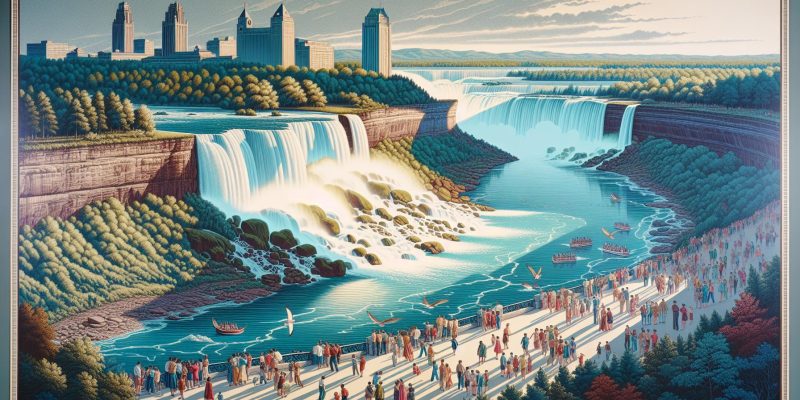
As the roar of cascading water draws millions to Niagara Falls each year, the strain of mass tourism becomes increasingly evident. While this natural wonder showcases breathtaking beauty,the negative impacts on local ecosystems,infrastructure,and community life raise pressing concerns. Understanding and managing these visitor pressures is crucial for lasting travel and the preservation of this iconic destination.
Understanding the Ecological Footprint of Tourism in Niagara Falls
Examining the Ecological Footprint of Tourism in niagara Falls
The stunning beauty of Niagara Falls attracts millions of visitors each year, contributing considerably to the local economy. However, this influx of tourists has a profound ecological footprint that poses challenges to the region’s natural resources. tourism activities—ranging from transportation to accommodation—exert considerable pressure on the environment,underscoring the importance of understanding and managing these impacts.
Tourism-related activities contribute to the ecological footprint in several key ways:
- Transportation: The majority of visitors arrive by car or airplane,which can greatly increase greenhouse gas emissions. An extensive study has shown that transportation alone accounts for nearly 70% of the total carbon footprint associated with tourism in the area.
- Resource Consumption: Hotels and restaurants require significant amounts of water and energy, leading to increased demand on local water supplies and energy resources. This consumption often exceeds the natural regeneration capacity of these resources.
- Waste Generation: The sheer volume of tourists creates significant waste, from plastic bottles to food scraps. Proper waste management systems are essential to mitigate the impact of this waste on local ecosystems.
In managing these visitor pressures, stakeholders must focus on sustainable practices.For instance, implementing eco-kind transportation options, like shuttle services or promoting cycling, can help reduce emissions.additionally, encouraging eco-conscious behavior among tourists—such as minimizing waste and conserving water—can mitigate environmental degradation.
| Impact Factor | Tourist Activity | Ecological Consequence |
|---|---|---|
| Carbon Emissions | Travel by Car/Airplane | Increased greenhouse gases |
| Water Usage | Hotel Stays | Strain on local water sources |
| Waste Production | Dining/Shopping | Pollution and landfill overflow |
By prioritizing sustainable tourism practices,niagara Falls can enhance its appeal while preserving its magnificent natural resources. This approach not only benefits the environment but also creates a more enjoyable experience for visitors, aligning with the ongoing efforts to address the negative impacts of tourism in Niagara Falls and manage visitor pressures effectively.
The Strain on Local Infrastructure: A Growing Concern
The Challenges of infrastructure Amidst Rising Tourist Numbers
The surge in tourist arrivals not only brings economic benefits but also puts significant strain on local infrastructure, a concern magnified in high-traffic destinations like Niagara Falls. As the region experiences a post-pandemic bounce-back in tourism, the existing infrastructure—including roads, public transport, and accommodation—faces enormous pressure to accommodate a growing flock of visitors. The World Economic Forum highlights that tourism’s resurgence is expected to surpass pre-pandemic levels, prompting the urgent need for sustainable infrastructure development to manage this influx effectively [[1]].
- Increased Traffic Congestion: With millions flocking to see the iconic waterfalls, vehicle congestion becomes a daily struggle. Traffic bottlenecks can lead to increased pollution and a less enjoyable experience for both tourists and residents.
- Public Transport Overload: Visitor numbers exceed the capacity of public transport systems, making it challenging for travelers to navigate the area efficiently.Enhancing and expanding such services is essential for long-term sustainability.
- Accommodation Pressures: The demand for hotels and rentals often exceeds supply,leading to inflated prices and diminishing quality. Investment in new accommodations shoudl focus on sustainability and community integration.
Real-World Examples of Infrastructure Strain
In Niagara Falls,local authorities have grappled with these issues firsthand. As an example, data show that even small increases in visitor numbers can result in significant delays on the roads leading to the area. this necessitates comprehensive planning and the implementation of smart infrastructure solutions, such as improved traffic management systems and expanded shuttle services, to better distribute the flow of tourists throughout the region.
Moreover, the accommodation sector’s underperformance, with only a 1.4% increase in hotel capacity as noted by the World Economic forum, underscores the urgent need for more robust investment in infrastructure that supports not just tourist facilities but also enhances the quality of life for local residents [[3]]. Addressing these challenges involves both governmental initiatives and community engagement to create a balanced approach that prioritizes sustainable tourism management.
As the situation evolves, it is indeed clear that without strategic infrastructure development, the negative impacts of tourism in destinations like Niagara Falls could lead to long-term detriment both to the natural environment and the local community. Thus, effective management of visitor pressures is crucial, not only for enhancing tourist experiences but also for preserving the area’s unique character and appeal.
Cultural Erosion: Balancing Heritage and Modernality
Understanding the Strain of Cultural Erosion
Tourism undeniably transforms destinations, often bringing economic benefits but also leading to a phenomenon known as cultural erosion. In areas like Niagara Falls, the influx of visitors creates a unique paradox; while local economies thrive on tourism, customary practices and heritage might suffer under the weight of modernity. Cultural heritage, which encompasses customs, values, and arts passed through generations, faces the risk of dilution as commercial interests prioritize profit over preservation.
The heights of tourist engagement can lead to the commercialization of local culture. Vendors and businesses may adapt or even create cultural artifacts that cater to visitor expectations rather than authentically represent the community’s traditions. For instance, the rise of souvenir shops offering mass-produced items can overshadow local artisans who create genuine craftwork. To counter this, communities must find ways to harmonize tourism with heritage conservation.
Strategies for Balance
to mitigate the impacts of cultural erosion in tourism hotspots like niagara Falls,several strategies can be employed:
- Community Engagement: Involve local residents in tourism planning and development to ensure their voices are heard and their cultures are respected.
- Education and Awareness: Create programs for tourists that educate them about the local culture, encouraging respectful and informed interactions.
- Cultural Support Initiatives: Promote and support local artisans and cultural sites through grants and marketing that highlight the importance of preserving traditional practices.
- Sustainable Tourism Practices: Implement visitor caps and promote off-peak travel to reduce overwhelming tourist numbers during peak seasons.
By recognizing the delicate balance between cultural heritage and modern tourism pressures, niagara Falls can adopt practices that not only preserve the local culture but also enhance the visitor experience. Effective management of visitor pressures will ensure that the rich tapestry of cultural identity in the region remains vibrant for future generations to experience and appreciate.
Economic Disparities: Who Truly Benefits from Tourism?
Tourism is often heralded as a major economic driver, but the reality at destinations like Niagara Falls reveals a more complex tapestry of economic disparities. While the flow of visitors generates significant revenue, the true beneficiaries of this influx are not always those who live and work in the shadow of one of nature’s most breathtaking wonders.This disconnect raises significant questions about the sustainability and equity of tourism development.
The Economic Landscape of tourism
At first glance, the economic impact of tourism in Niagara Falls appears overwhelmingly positive. Hotels, restaurants, and attractions thrive on the influx of tourists, but a closer examination shows that the benefits are not evenly distributed. Large corporate entities often benefit disproportionately,overshadowing local businesses and creating a cycle were profits are siphoned away from the community.
- Corporate Gains: Major resort chains and attractions tend to dominate the market, reaping significant profits that are rarely reinvested back into the local economy.
- Employment Disparities: While tourism creates jobs, many of these positions are low-paying and lack benefits, further entrenching economic inequality.
- Rising Costs: As tourism thrives, so do living costs for residents, including rent and basic goods, making it tough for locals to afford to live in their own neighborhoods.
Analyzing the Impact
The following table outlines how the economic impacts of tourism translate into varying outcomes for different stakeholders:
| Stakeholder | Economic Gain | Social Impact |
|---|---|---|
| Large Corporations | High | Minimal – profits frequently enough leave the local area |
| Local Businesses | moderate | Challenging – competition from larger entities |
| Residents | Low | Negative – increased cost of living |
| Government | Varied – benefits from taxes | Possibly mixed – depends on allocation of funds |
This analysis showcases a critical flaw in the tourism economy: while it generates revenue, the wealth doesn’t trickle down to the local populace. The focus on maximizing visitor experiences frequently enough overshadows the voices and needs of residents, leading to a scenario where the rich get richer, and the local community struggles to keep pace.For true economic resilience, it is vital for tourism strategies to prioritize equitable growth and community wellbeing, ensuring that the benefits of Niagara Falls’ natural allure are enjoyed by all, not just the select few.
Managing Waste and Environmental Degradation
Waste Management Strategies in Tourist Areas
When it comes to managing the negative impacts of tourism, waste management is a critical factor that directly influences both visitor experience and local ecosystems. The influx of tourists to destinations like Niagara Falls often leads to increased waste generation, posing significant challenges for municipalities. Effective strategies for managing this waste can alleviate environmental degradation and enhance the sustainability of tourism.
One of the most effective approaches is the implementation of comprehensive waste management systems that prioritize recycling and composting. Cities harnessing best practices can see a significant reduction in the amount of waste sent to landfills. For instance, providing clearly labeled recycling bins in high-traffic areas helps visitors make better choices about waste disposal. additionally,engaging the community and visitors in educational campaigns about the importance of proper waste management can foster a culture of responsibility that enhances efforts to mitigate environmental impacts.
Technology and Infrastructure Enhancements
Investments in technology and infrastructure also play a vital role in managing waste effectively.Smart waste collection systems, which utilize sensors to optimize collection routes and reduce trips, can lead to lower emissions and operational costs. Implementing these technologies not only demonstrates a commitment to sustainability but also enhances the overall visitor experience by ensuring cleanliness in popular tourist areas.
Furthermore, collaboration between local governments and organizations focusing on sustainability can lead to innovative solutions. for example, the World Bank has supported various cities by providing operational assistance and resources directed at enhancing waste management policies tailored for urban settings, clearly showing that tailored approaches can lead to significant improvements.
Community Engagement and Visitor Responsibility
Ultimately, achieving sustainable tourism in places like Niagara Falls requires the active participation of visitors.Initiatives that encourage local businesses and tourists to minimize single-use plastics, utilize refill stations, and participate in cleanup events can create a shared sense of responsibility. Hosting events that attract both tourists and locals to clean and maintain natural attractions not only helps clear debris but also raises awareness about the cumulative impact of waste on the environment.
By integrating these actionable strategies into the fabric of tourism management, destinations can mitigate the negative impacts of tourism while preserving the natural beauty that draws visitors in the first place.Embracing a collaborative and proactive approach toward waste management ensures that attractions like Niagara Falls remain resilient for generations to come.
Strategies for Sustainable Visitor Experiences
Engaging with the Environment Responsibly
Tourism at Niagara Falls attracts millions each year, often leading to overwhelming visitor pressures that can threaten the area’s natural beauty. one effective strategy for promoting sustainable visitor experiences involves enhancing educational programs that focus on the ecological significance of the falls. By creating immersive experiences such as guided nature walks or interactive workshops, visitors can deepen their thankfulness for the environment while learning about conservation efforts. These programs not only foster an understanding of the local ecosystem but also encourage visitors to practice responsible tourism behaviors.
Implementing Smart Visitor Management
To better manage visitor numbers, Niagara Falls can utilize technology-driven solutions that distribute the flow of tourists. Strategies such as real-time visitor tracking apps can inform guests about peak times and suggest choice routes or attractions. this technology allows for a more enjoyable experience while minimizing congestion at hotspots, thus reducing the environmental impact. Additionally,implementing timed entry systems for popular viewing platforms can further alleviate overcrowding,ensuring that each visitor has a chance to appreciate the splendor of the falls without feeling rushed.
Promoting Local Culture and Economy
Integrating local culture into the visitor experience not only enhances tourism’s value but also supports the community economically. collaborating with local artisans and businesses to create authentic experiences—such as craft demonstrations, traditional food tastings, or cultural festivals—can provide tourists with unique insights into the region. Highlighting these activities helps spread tourist spending throughout the area, alleviating financial pressures on heavily trafficked sites and preserving the community’s cultural heritage.
Encouraging Eco-Friendly Practices
Creating a culture of sustainability within the visitor population can significantly mitigate the negative impacts of tourism. Simple steps such as providing easily accessible recycling stations, promoting the use of refillable water bottles, and encouraging guests to utilize public transport can foster a collective responsibility for protecting Niagara Falls. Moreover, offering incentives for tourists who adopt eco-friendly practices—such as discounts or rewards for using sustainable services—can motivate more visitors to contribute positively to the environment.
| Strategy | Description | Benefits |
|---|---|---|
| Educational Programs | Engaging workshops and tours focused on local ecosystems. | Increased awareness and appreciation for nature. |
| Visitor Management Tech | Apps and timed entry systems to control flow. | Reduced congestion and enhanced experiences. |
| Local Cultural Integration | Partnerships with local artisans for unique tours. | Boosted local economy and cultural preservation. |
| Eco-Friendly Incentives | Encouraging sustainable practices among visitors. | minimized environmental impact and promoted responsibility. |
By adopting these strategies, the region can better balance the influx of tourists with the preservation of its natural and cultural resources, ensuring that the magnificent Niagara Falls remain a cherished destination for generations to come.
Engaging the Local community: The Key to Responsible Tourism
In the vibrant context of niagara Falls, where natural beauty meets vibrant local culture, engaging the local community stands as a cornerstone of responsible tourism. Not only does this approach enhance the visitor experience, but it also fosters a healthier relationship between tourists and residents, mitigating the negative impacts of tourism while bolstering the local economy.
Building Meaningful Connections
Connecting with the local community is integral to responsible tourism. Tourists can enrich their visit by participating in community-led tours, which often showcase hidden gems that are off the typical tourist path. These experiences not only offer authentic insights into the region but also ensure that a portion of the tourism revenue directly benefits the community. Local artisans, food producers, and cultural groups can share their stories and traditions, giving travelers a deeper understanding of the region’s heritage.
supporting Local Businesses
When visitors choose to shop, dine, and stay with local businesses, they significantly contribute to the economic resilience of the area. This simple act fosters community pride and encourages sustainable practices, which are paramount in managing the pressures that come with high visitor numbers. Here are several actionable ways to support local enterprises:
- Stay at local inns or bed and breakfasts rather than large chain hotels.
- Eat at locally-owned restaurants that use regional ingredients.
- Purchase handmade crafts and products from local artisans.
Cultural Sensitivity and Collaboration
It’s crucial for tourists to approach their travel with cultural sensitivity. Educating oneself about local customs and practices can prevent unintentional disrespect and foster collaborative interactions.For example, participating in local festivals or cultural workshops can provide immersive experiences while supporting the community and preserving its traditions. Accomplished case studies, such as community-led conservation projects in areas around Niagara, show how collaboration leads to sustainable tourism practices that benefit both visitors and residents.
| Key Strategies | Impacts on Community |
|---|---|
| Engage in community-led tours | Enhanced visitor understanding and community income |
| Support local businesses | Boosted economic resilience and job creation |
| Participate in cultural exchanges | Preserved cultural heritage and mutual respect |
By prioritizing engagement with the local community, tourists can play a vital role in mitigating the negative impacts of tourism in Niagara Falls. this approach not only elevates the travel experience but also promotes sustainability and harmony between visitors and the communities they explore.
implementing Effective Visitor Management Techniques
Niagara Falls attracts millions of visitors each year, and while tourism serves as a vital economic engine, it can lead to challenges such as overcrowding, environmental degradation, and strain on local resources. To mitigate the negative impacts of tourism, is essential. These strategies not only protect the natural beauty of Niagara but also enhance the visitor experience by ensuring that the area remains enjoyable for both tourists and residents alike.
Utilizing technology for Visitor Management
One innovative approach to managing the influx of tourists is through the use of technology. Online reservation systems can help regulate visitor numbers at popular sites, ensuring that the flow of tourists is controlled throughout the day. For instance, timed entry tickets for key attractions such as the Maid of the Mist boat tour can reduce wait times and prevent overcrowding. Furthermore, mobile applications can be developed to provide real-time updates on visitor density and the availability of facilities, enabling tourists to make informed decisions about when and where to visit.
Promoting Off-Peak Travel
Encouraging travel during off-peak times can significantly alleviate pressures by spreading visitor numbers more evenly throughout the year. This can be achieved through strategic marketing campaigns that highlight the unique experiences available during quieter seasons. Local businesses can offer discounts and promotions to attract visitors during these times, stimulating the economy without the strain that comes from peak season crowds. For example:
- Discounted hotel rates: Hotels can offer lower prices during the winter months.
- Special events: Organizing seasonal festivals or activities during off-peak seasons can draw in tourists.
- Package deals: Local attractions can collaborate to offer bundled services at reduced rates during non-peak periods.
Engaging in Community Partnerships
A successful visitor management plan also involves collaboration between local authorities, businesses, and the community. By creating partnerships, stakeholders can develop a shared vision for sustainable tourism. For instance, implementing programs focused on environmental conservation and responsible travel can raise awareness of the negative impacts of tourism while promoting sustainable practices. Workshops or details sessions can be conducted to educate residents and tourists alike on preserving the natural beauty of Niagara Falls.
| Visitor Management Technique | Description | Potential Benefits |
|---|---|---|
| Online Reservation Systems | Manage entry to popular sites to control visitor numbers. | Reduced overcrowding and improved visitor experience. |
| Off-Peak Promotions | Encourage visits during less busy times through discounts and events. | Evenly distributed visitor flow and economic stability. |
| Community Engagement | Partnerships to promote responsible tourism practices. | Greater awareness of environmental issues and sustainable tourism. |
Implementing these effective visitor management techniques is crucial in addressing the negative impacts of tourism in Niagara Falls. By leveraging technology, promoting off-peak travel, and fostering community partnerships, stakeholders can create a balanced approach that benefits both tourists and local residents, ensuring the long-term sustainability of this natural wonder.
In Summary
As we navigate the intricate relationship between tourism and the natural beauty of Niagara Falls, it becomes clear that understanding the negative impacts is essential for fostering sustainable practices. From environmental strain and overcrowding to the cultural dilution of local communities, the pressing challenges at this iconic destination urge us to rethink how we approach travel. However, by advocating for responsible tourism, supporting local initiatives, and engaging in meaningful conversations, we can help mitigate these issues and protect the wonders of Niagara Falls for future generations. We invite you to delve deeper into this topic—whether you’re a traveler seeking to make a positive impact or a professional in the tourism industry eager to implement change. Together,through shared knowledge and conscious choices,we can ensure that the majesty of Niagara Falls continues to inspire and thrive. Explore more, stay informed, and be a part of the solution!
Get our latest guides, news, and insights highlighted in your Google Search & AI Overviews.


