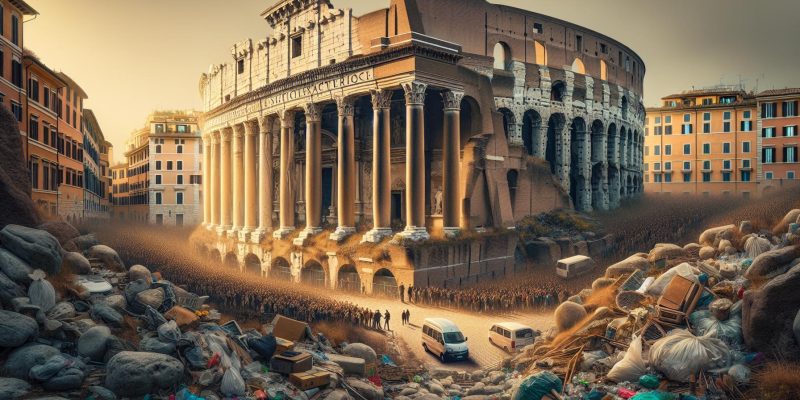
As the Eternal city grapples with an influx of visitors, the delicate balance between tourism and preservation becomes increasingly strained. The surge in foot traffic threatens to erode Rome’s ancient sites, highlighting an urgent need for lasting practices. Understanding these negative impacts is crucial to safeguarding the cultural heritage that defines this historic metropolis.
Understanding the Pressure: How tourism Affects Rome’s Ancient Sites
Pressure on Rome’s Ancient Sites
Imagine standing in the shadow of the Colosseum, surrounded by a throng of visitors, the echoes of history drowned out by modern chatter. This scene is increasingly common in Rome, where the intersection of mass tourism and ancient heritage is leading to notable challenges. The immense influx of tourists not only strains infrastructure but also poses a serious risk to the preservation of iconic landmarks. as the city’s charm attracts millions annually, the very essence of its ancient wonders comes under threat.
The consequences of this tourism boom are multifaceted. Among the most pressing issues is the deterioration of archaeological sites and historic monuments. With millions of feet treading on venerable stones, the wear and tear accelerate the decay of these structures. The Colosseum, as an example, has seen parts of its iconic façade erode due to pollution and the vibrations caused by heavy foot traffic. To mitigate this, authorities have implemented regulations, such as limiting daily visitor numbers, but the challenge remains daunting given the city’s status as a top global destination.
In addition to physical damage, the cultural context of these sites suffers under the pressure of commercialization. Many ancient treasures become mere photo opportunities, losing their historical meaning in the eyes of hurried tourists. This commodification can led to practices that are not only disrespectful but ultimately harmful to the sites themselves. Management strategies must not only focus on protecting physical structures but also on fostering a deeper gratitude for Rome’s rich history among visitors.
To address these negative impacts of tourism in Rome and safeguard its ancient wonders, a balanced approach is essential. Here are a few actionable steps that can be taken:
- Visitor Education: Encourage educational initiatives that inform tourists about the historical significance of sites to foster respect and mindful behavior.
- Promote Off-Peak Tourism: Develop campaigns to attract visitors during less busy months, helping to distribute tourism traffic more evenly throughout the year.
- Regulations on Visitor Numbers: Implement stricter controls on daily visitor limits at vulnerable sites, similar to practices already in place for the Vatican Museums.
By consciously prioritizing the preservation of its ancient sites, Rome can not only sustain its cultural integrity but also enhance the overall visitor experience. Recognizing the negative impacts of tourism is the first step toward implementing effective safeguards that protect these historical wonders for future generations.
Overcrowding Challenges: Balancing Visitor Experience and Heritage Preservation
Understanding the Strain of Overtourism
Rome, with its unparalleled historical significance and breathtaking architecture, attracts millions of tourists each year. This influx, while economically beneficial, creates significant challenges for heritage preservation. As foot traffic surges in renowned sites like the Colosseum and the vatican, the delicate balance between visitor experience and the protection of ancient wonders becomes increasingly precarious.The sheer volume of visitors can lead to physical wear and tear on these monuments, while also diminishing the overall experience for tourists seeking to connect with history.
impact on Visitor Experience
Overcrowding not only threatens the structural integrity of Rome’s historical sites but also negatively affects how visitors perceive their experience. Standing in long lines and jostling for space to capture the perfect photograph can lead to frustration,detracting from the wonder of exploring ancient architecture. This scenario presents a paradox: as visitor numbers increase, the unique charm of these sites dwindles. In many cases, tourists are left to battle crowds rather than fully immerse themselves in the rich narratives these locations embody.To mitigate these effects, local authorities are exploring innovative solutions:
- Timed Entry Systems: Implementing reservation systems can help regulate the flow of visitors, ensuring that no single site becomes overwhelmed.
- Alternative Routes: Promoting lesser-known sites can disperse crowds more evenly across the city, allowing visitors to discover hidden gems while alleviating pressure on major attractions.
- Guided Tours: Encouraging guided tours can provide structured experiences, enhancing understanding and appreciation while managing crowd density.
Strategies for Heritage Preservation
Sustainable tourism practices must be at the forefront of any strategy to protect Rome’s ancient wonders.Community involvement and education play pivotal roles in this effort. Engaging local residents in tourism planning can lead to solutions that prioritize both visitor enjoyment and the preservation of their cultural heritage.For example, initiatives that include local artisans and tour guides not only enhance the tourist experience but also work to preserve traditional crafts and narratives that are integral to Rome’s identity.
Moreover, integrating technology, such as augmented reality (AR) apps, can enrich visitor interaction with historical sites without the physical presence that contributes to degradation. These applications can offer virtual tours or historical reconstructions, allowing users to gain deeper insights while reducing the number of feet on the ground.
as millions flock to the Eternal City, striking a balance between the enjoyment of visitors and the safeguarding of its ancient wonders is crucial. With thoughtful measures and community engagement, Rome can ensure that its historical treasures continue to inspire future generations.
The Environmental Toll: Exploring Sustainability in Touristic Practices
The Strain on Rome’s precious Ecosystem
Each year, millions flock to Rome, drawn by its rich history and stunning architecture.However, the sheer volume of tourists not only overwhelms the ancient sites but also exerts significant pressure on the surrounding environment. With this influx, we witness escalating issues surrounding the depletion of natural resources, pollution, and the degradation of vital ecosystems. These challenges have far-reaching implications for both the city and its residents, as well as for the preservation of its historical treasures.
One of the most pressing concerns is the depletion of natural resources, particularly water and energy. The tourism sector, especially in a city as historic as Rome, requires significant resources to accommodate visitors. For instance, during peak seasons, local water supplies are strained as hotels, restaurants, and attractions draw from a limited pool, often leading to shortages.Moreover, the practice of maintaining the pristine condition of ancient sites necessitates considerable energy use, contributing to carbon emissions and further exacerbating climate change.
Pollution: A Growing Threat
The impact of tourism on pollution in Rome cannot be overlooked. Air quality frequently enough deteriorates due to increased vehicular traffic and industrial activities driven by the demands of the tourism industry. Moreover, waste generation spikes dramatically, with plastic and other non-biodegradable materials becoming prevalent in public areas and ancient sites. This not only sullies the environment but also threatens local wildlife and biodiversity, resulting in a negative spiral that undermines Rome’s natural heritage.
To combat these detrimental effects, implementing sustainable tourism practices is vital. Here’s how stakeholders can contribute:
- Promote Eco-kind Transportation: Encourage the use of public transport and bicycles to reduce traffic congestion and air pollution.
- Sustainable Resource Management: Implement water-saving technologies and renewable energy sources in hotels and attractions.
- waste Reduction Programs: Establish stringent regulations on waste disposal and promote recycling initiatives among tourists and businesses.
Real-World Strategies for Sustainability
Cities around the globe are adopting innovative approaches to mitigate the negative effects of tourism. For example,places like Barcelona and Venice have enacted measures placing limits on tourist access to sensitive areas during peak seasons. By embracing similar strategies, Rome can protect its remarkable heritage while balancing the needs of its community and the environment.
addressing the environmental toll of tourism in Rome is not just an obligation; it is a necessity for the preservation of its ancient wonders. By fostering sustainable practices and raising awareness about the fragile nature of the local ecosystem, stakeholders can ensure that both residents and visitors continue to enjoy this iconic city for generations to come.
Community Impact: The Ripple Effects of Mass Tourism on Local Lives
The bustling streets of Rome, adorned with ancient wonders, attract millions of visitors each year, yet this influx has a profound impact on local communities. As tourists flock to iconic sites like the Colosseum and the Vatican, the very fabric of everyday life for residents begins to unravel.Increased foot traffic not only alters the physical landscape but also disrupts the social dynamics within neighborhoods.Locals frequently enough find it challenging to navigate their own streets,as they battle with overcrowding that turns familiar spaces into open-air tourist attractions.Moreover, the commercialization of local culture is one of the most significant negative outcomes of mass tourism.Traditional markets and artisan shops, once vibrant with local life, frequently adapt their offerings to accommodate visitor preferences, leading to a dilution of authentic Roman experiences. This shift can result in the loss of traditional customs and practices, as local businesses prioritize profit over preserving cultural heritage. The challenge lies in maintaining a balance between welcoming tourists and safeguarding the rich history and traditions that define the city.
Social Strain and Economic Disparity
With the economic benefits of tourism comes a social strain that can fracture community bonds. The increasing demand for rental spaces often drives up housing prices, pushing residents to the outskirts of the city where rent is more affordable. This gentrification creates a divide between long-time residents and the influx of tourists and short-term renters, fostering feelings of resentment and alienation among locals. In the long term,this can lead to a homogenized city that,while still picturesque,lacks the authenticity that draws visitors in the first place.
To mitigate these effects, cities like Rome are exploring community-based tourism initiatives. Such programs empower locals to provide genuine experiences while ensuring that tourism benefits the community directly.residents can lead walking tours, showcase traditional cooking classes, or open their homes for cultural exchanges. by fostering these connections, cities can ensure that tourism contributes to the local economy without compromising the cultural and social integrity of their communities.
| Impact | Description |
|---|---|
| Overcrowding | Increased foot traffic disrupts resident mobility and daily life. |
| Cultural Dilution | Local traditions and customs are overshadowed by tourist demands. |
| Social Strain | Gentrification leads to economic disparity and community fragmentation. |
| Community-Based Initiatives | Empowering locals to offer authentic experiences supports cultural preservation. |
by recognizing these community impacts, local governments and stakeholders can implement strategies that not only attract tourists but also nurture the residents’ way of life. The ongoing dialog about the negative impacts of tourism in Rome serves as a cautionary tale and a blueprint for developing a sustainable tourism model that respects and preserves the ancient wonders for future generations.
Strategies for Responsible Tourism: Protecting Rome’s Cultural Treasures
As the eternal city grapples with the challenges posed by overwhelming tourist traffic, implementing effective strategies for responsible tourism has become crucial to safeguard its ancient wonders. Rome is not only a hub for history lovers but also a vibrant repository of art, culture, and archaeology. Though, the negative impacts of tourism—like overcrowding, environmental degradation, and the potential for damage to historic sites—necessitate urgent action.
- Implementing Strict Visitor Limits: Establishing daily caps on visitors at popular sites like the Colosseum and the Vatican Museums can help reduce congestion and give the environment a chance to recover. Such measures have been successful in other tourist destinations,demonstrating their efficacy.
- Promoting Off-Peak travel: Encouraging visitors to explore rome during less popular months can alleviate pressure during peak seasons. Special campaigns offering discounts for visits in the shoulder seasons could stimulate more evenly distributed tourism throughout the year.
- Enhancing Community involvement: Fostering partnerships with local communities ensures that they become active participants in the preservation of their cultural heritage. Programs that give locals a voice in tourism decisions can help protect their way of life while also providing authentic experiences for tourists.
- Investing in Sustainable infrastructure: Developing eco-friendly transportation options,such as electric buses or bike rentals,can minimize environmental impact while providing convenient access to various sites across the city.
Real-world Examples and Practical Steps
Cities like Barcelona have introduced innovative measures such as tourist taxes that fund preservation initiatives. Similar strategies in Rome could allocate financial resources directly to the maintenance and restoration of its architectural treasures.Moreover, integrating technology—like augmented reality for guided tours—can enhance the visitor experience without adding physical strain on these ancient structures.
By prioritizing sustainable tourism practices, Rome can create a balanced approach that respects its rich historical fabric while allowing visitors to engage with its beauty in a responsible manner. This creates a win-win situation where tourists can appreciate the city’s offerings without compromising its integrity.
The Role of Technology: Innovations in Managing Tourist Footprints
Harnessing Technology to Manage Tourist Footprints
In an age where tourism substantially shapes urban landscapes, innovative technologies are stepping up to manage the increasing tourist footprints that threaten the integrity of historical sites. for example, digital monitoring tools using sensors and real-time data analytics can provide insights into tourist patterns, helping to identify peak times and areas of congestion at iconic locations in Rome. This kind of data is invaluable in developing strategies to protect ancient wonders while still allowing visitors to enjoy these cultural treasures.
Innovative Solutions for Sustainability
As tourist numbers swell, automation and smart technologies play a crucial role in sustainable tourism management. Initiatives like crowd management apps alert visitors to less crowded times to visit sites such as the colosseum or the Vatican, thereby distributing foot traffic more evenly throughout the day. Moreover, interactive maps and augmented reality applications enhance the visitor experience without the need for physical guides, minimizing the potential wear and tear on fragile monuments.
- Real-time visitor tracking systems
- Mobile apps for scheduling visits
- Augmented reality experiences
- Sustainability-focused travel platforms
Engagement Through Technology
Technology also fosters a deeper engagement with cultural heritage. Virtual tours and online educational resources allow potential visitors to explore ancient Roman sites from the comfort of their homes, generating interest without adding to local congestion. This can serve as a compelling incentive for travelers to plan visits during off-peak seasons, allowing the city to manage its cultural assets more effectively. As part of the ongoing efforts to combat the negative impacts of tourism in Rome, technology can ensure that the wonders of the past remain accessible without compromising their future.
| Technology Type | Benefits |
|---|---|
| Visitor Tracking | Identifies tourist patterns and peak times. |
| Mobile apps | Helps distribute foot traffic effectively. |
| Augmented Reality | Enhances visitor engagement and education. |
| Virtual Tours | Encourages off-peak visitation. |
The transition towards a tech-driven approach in tourism is essential in safeguarding Rome’s ancient wonders, addressing the pressing concerns posed by the negative impacts of tourism while enhancing the visitor experience. This synergy between technology and cultural preservation presents a promising path for managing the delicate balance between accessibility and sustainability.
Educating Travelers: Promoting Respect and Awareness in Historic Locations
The Importance of Respect and Awareness
As visitors flock to the iconic sites of Rome, such as the Colosseum and the Vatican, it’s crucial to recognize that each traveler holds the power to either contribute to the preservation of these ancient wonders or to inadvertently accelerate their deterioration. Understanding tourism’s negative impacts on heritage sites is vital to fostering responsible travel practices. Educating travelers about the significance of these locations can enhance their appreciation and promote sustainable tourism which benefits both the community and the environment.
- Interactive Tours: Engaging, informative tours can open visitors’ eyes to the stories behind the stones, and the history of each monument. Guided tours that emphasize the importance of preservation and responsible behavior can reshape how tourists interact with these sites.
- Workshops and Seminars: Hosting workshops on the cultural heritage of Rome can encourage tourists to learn before they explore. By understanding the cultural significance of the sites, visitors are more likely to engage respectfully.
- Digital Awareness Campaigns: Implementing social media campaigns can highlight the fragility of historic locations, urging travelers to share their learning experiences and encourage others to adopt respectful behaviors.
Real-World Examples of Responsible Tourism
Several organizations are already successfully implementing educational initiatives that promote respect for historic locations. Such as, the “Make travel Matter” campaign by the Good Tourism Institute is designed to raise awareness about sustainable travel, encouraging both tourists and industry peers to consider the impact of their travel choices on local environments and communities2. This kind of initiative not only enlightens travelers about the historic significance of sites but also encourages them to act responsibly while visiting.
Practical Steps to Enhance Visitor Awareness
Tourists can actively contribute to the protection of Rome’s ancient wonders by considering the following steps:
| Action | Description |
|---|---|
| research Before You Go | Familiarize yourself with the history and cultural significance of the sites you plan to visit. |
| Respect Restricted Areas | Heed signs and barriers that protect sensitive areas from damage. |
| Support Local Businesses | Shop and dine at local establishments to ensure that tourism dollars benefit the local economy. |
| share Your Experience | Use social media to educate others about the importance of respectful travel behaviors. |
Educating travelers about the negative impacts of tourism in Rome can forge a path towards a more harmonious relationship between visitors and the historical treasures they admire. By taking these steps towards awareness and respect, tourists can play a pivotal role in safeguarding Rome’s ancient wonders for future generations.
Collaborating for Change: Partnerships Between Tourists, Locals, and Authorities
Turning Challenges into Opportunities
Rome, with its rich tapestry of history and culture, faces an urgent need to address the negative impacts of tourism on its ancient wonders. However, through strategic partnerships among tourists, locals, and authorities, there lies a significant chance to foster sustainable practices that can benefit all stakeholders involved. By collaborating effectively, these groups can play a pivotal role in preserving the city’s heritage while enhancing the overall visitor experience.
Building Bridges Through Collaboration
To lessen the adverse effects of mass tourism, it is crucial to create a framework that encourages cooperation. Here are several actionable strategies for these partnerships:
- Community Engagement: Local residents should be actively involved in tourism planning. This can be facilitated through regular town hall meetings or surveys that gather their insights on managing tourist influx.
- Incentivizing Responsible Tourism: Authorities can implement programs that reward tourists for choosing sustainable practices, such as using public transportation or visiting off-peak sites.
- Education and Awareness: Educating tourists about local customs, historical significance, and preservation efforts is vital. Tour operators can help by including this information in their itineraries.
- Shared Revenue Models: Establishing revenue-sharing agreements where a portion of tourism income is directed towards local community projects can create a more equitable relationship.
Real-World Examples of Empowerment
Various initiatives around the globe provide effective models for collaboration. for instance, in cities like Barcelona, partnerships have emerged between local governments and tourism boards to enforce regulations that mitigate overcrowding at key attractions. In Rome, similar models can be adapted where tourists are encouraged to explore lesser-known sites, which not only preserves the popular sites but also supports local businesses.
| Type of Partnership | Example Impact |
|---|---|
| Local Community Initiatives | Engagement in tourism planning leads to enhanced cultural exchange and shared benefits. |
| Sustainable Tourism Programs | increased awareness of responsible travel encourages tourists to minimize their footprint. |
| Revenue Sharing | Infrastructure improvements funded by tourism revenues enhance local quality of life. |
By prioritizing collaboration,we can transform the narrative surrounding the negative impacts of tourism in Rome into a story of shared responsibility and mutual respect. Through strong partnerships,we can safeguard the ancient wonders of the city for future generations,ensuring that both locals and tourists alike benefit from the rich cultural heritage that Rome has to offer.
Future Outlook
In exploring the negative impacts of tourism in Rome, it’s crucial to recognize the delicate balance between preserving its ancient wonders and accommodating the millions who flock to its historic streets. Mass tourism, while bolstering the local economy and creating jobs, brings significant challenges: environmental degradation, pollution, and overcrowding strain the city’s infrastructure and disrupt the lives of residents. The high cost of living and gentrification threaten the authenticity of historic neighborhoods, changing the very fabric of the communities that thrive amidst these ancient treasures [1[1][2[2].
As we navigate these complex issues, it becomes clear that safeguarding Rome’s rich heritage requires a collaborative effort from all stakeholders—tourists, locals, and policymakers alike. By promoting sustainable travel practices, supporting local businesses, and advocating for responsible tourism, we can enjoy Rome’s beauty without compromising its future. We invite you to engage with these challenges and contribute to the conversation: how can we collectively ensure that our explorations of the Eternal City honor its past while protecting it for generations to come?
Get our latest guides, news, and insights highlighted in your Google Search & AI Overviews.


