
Can tourism thrive without compromising Kenya’s rich wildlife and vibrant local cultures? As nations grapple with the environmental and social impacts of travel, exploring lasting tourism becomes crucial. By empowering local communities and protecting wildlife, kenya can create a model for balancing economic growth with ecological conservation, ensuring a harmonious coexistence for generations to come.
Understanding the Importance of sustainable Tourism in Kenya
The Crucial Role of Sustainable Tourism in Kenya
Did you know that tourism accounts for approximately 10% of Kenya’s GDP? This important contribution underscores the need for responsible tourism that prioritizes both the environment and local communities.As one of Africa’s premier destinations, Kenya is home to breathtaking landscapes, a rich tapestry of cultures, and abundant wildlife, making it essential to implement sustainable tourism practices that benefit all stakeholders.
Sustainable tourism is vital for several reasons:
- Environmental Conservation: Protecting Kenya’s unique ecosystems is crucial. Sustainable tourism practices help minimize the impact on the environment, ensuring that natural habitats remain intact for future generations.
- Community Empowerment: By involving local communities in tourism initiatives, we create economic opportunities that can uplift livelihoods. Empowering communities is essential for fostering a sense of stewardship over their cultural and natural resources.
- Wildlife Protection: Over-tourism can lead to habitat destruction and the decline of wildlife populations. Sustainable tourism helps to protect these species and their habitats, promoting conservation efforts that are vital for biodiversity.
strategies for Promoting Sustainable Tourism
To truly embrace the ideology of sustainable tourism in Kenya, various strategies must be adopted by both tourists and industry stakeholders. Simple actions can lead to significant change, such as:
- Choosing eco-kind accommodations that prioritize sustainability.
- Participating in local cultural experiences that benefit the community directly.
- Supporting conservation projects that protect both wildlife and natural habitats.
Implementing these strategies can help ensure that tourism in Kenya aligns with the tenets of sustainability,effectively answering the question: How can tourism be sustainable in Kenya? Empowering communities and wildlife is not just a concept,but a necessary practice to secure a future where both nature and society thrive.
| Aspect of Sustainable Tourism | Benefits |
|---|---|
| Environmental Conservation | Preserves natural landscapes and reduces pollution. |
| Community Involvement | Enhances local economies and preserves cultural heritage. |
| Wildlife Preservation | Protects endangered species and promotes biodiversity. |
| Economic Sustainability | Ensures long-term benefits for tourism operators and local communities. |
prioritizing sustainable tourism practices in Kenya is essential for fostering an ecosystem where wildlife thrives, communities prosper, and visitors experience the authentic beauty of this remarkable country. When tourists and businesses come together to embrace sustainability, they contribute to a legacy that will benefit Kenya for generations to come.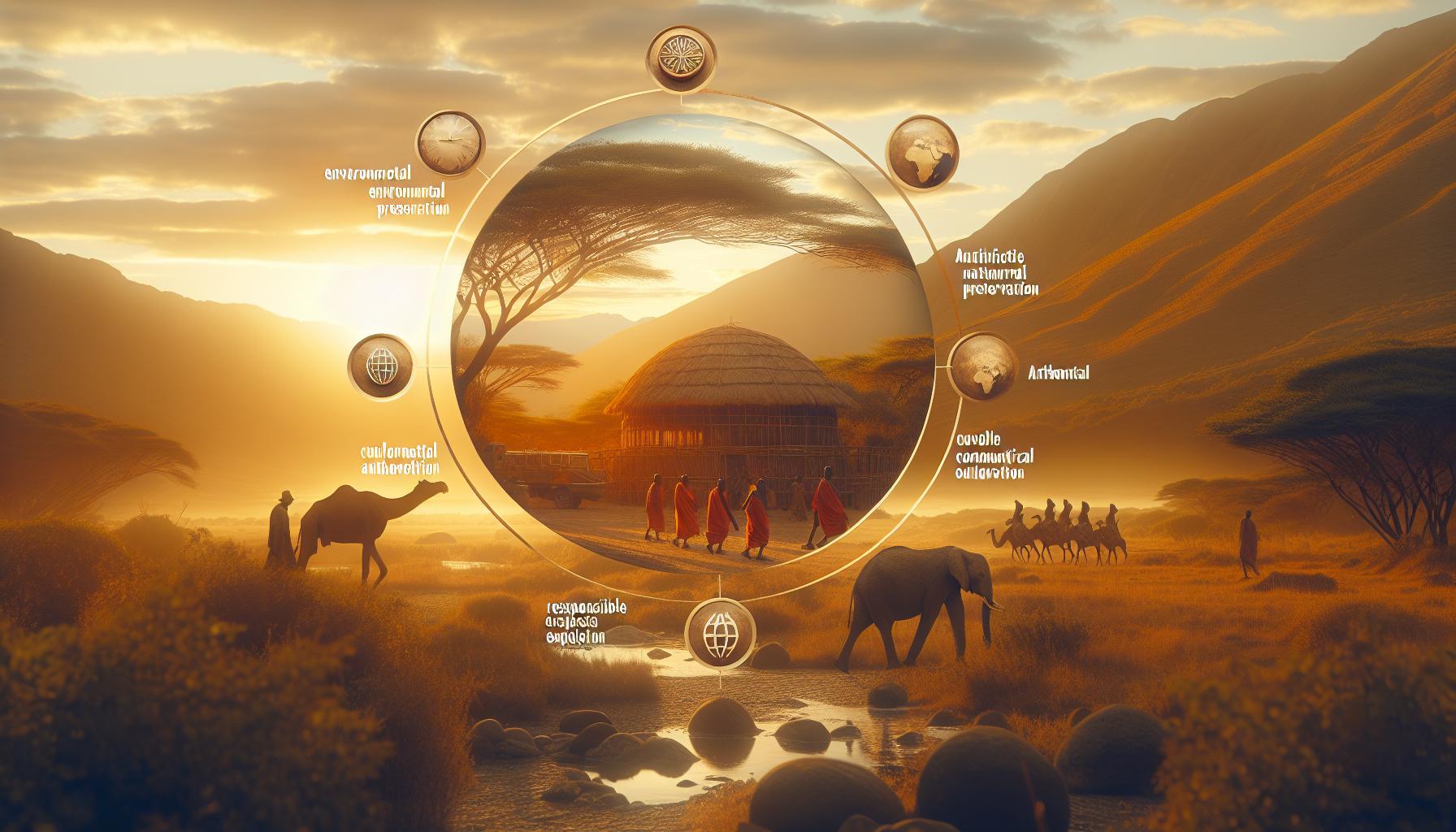
Community-Led Initiatives: Empowering Local Populations
Did you know that local communities often bear the brunt of tourism’s impact while receiving only a fraction of its benefits? In Kenya, a country renowned for its stunning landscapes and diverse wildlife, community-led initiatives are key to ensuring that tourism not only sustains but enriches both local populations and the environment. By empowering these communities, a foundation is laid for a more equitable and sustainable tourism model that benefits everyone involved.
Harnessing Local Knowledge
One of the most effective approaches to promoting sustainable tourism is through leveraging the unique perspectives and expertise of local communities.Initiatives centered around local management of resources foster not just environmental stewardship but also cultural preservation. For instance, the Maasai Mara Wildlife Conservancies are exemplary, where local communities have taken charge of the land, creating sustainable ecological zones that benefit both wildlife and their livelihoods. By allowing locals to manage tourism operations and revenue, these areas have seen improved conservation outcomes and enhanced economic resilience.
Direct Economic Benefits
The financial framework surrounding community-led tourism projects should prioritize direct benefits to local residents. When a significant portion of the revenue generated from tourism activities—such as wildlife safaris, cultural experiences, and eco-lodges—goes straight to the communities, it creates an incentive for conservation.
- Employment Opportunities: Local guides and hospitality staff are trained and employed, creating jobs and reducing poverty.
- Education and Skills Advancement: Programs are implemented to educate community members about best practices in tourism and wildlife conservation.
- Local Businesses: Support for local artisans and food producers encourages the growth of small businesses, ensuring that tourism benefits a wide range of community members.
| Initiative | Benefits | Example Region |
|---|---|---|
| Community Conservancies | Wildlife protection, income generation | Maasai Mara |
| Cultural Heritage Tourism | Preservation of local culture, economic benefits | Coastal Kenya |
| eco-Lodge Development | Job creation, environmental conservation | Lake Nakuru |
Active Participation and Governance
empowerment begins with ensuring that local voices are heard in decision-making processes regarding tourism. Engaging communities in governance not only strengthens their ties to the land but also enhances accountability, as locals are more likely to protect their resources. Forums and community meetings should be regular features of tourism management, creating platforms for dialog and collaboration.
Strong community leadership and organized groups can lead to successful lobbying for policies that favor sustainable tourism practices. Local leaders can mentor others, instilling a sense of ownership and pride. Such approaches ensure that tourism is sustainably integrated into the fabric of local society, intertwining the future of tourism with communities’ social and economic well-being. Through these measures, the question of how can tourism be sustainable in Kenya evolves from a lofty objective to a tangible reality, paving the way for both community and ecological prosperity.
Protecting Wildlife: A Collaborative Approach
Did you know that sustainable tourism contributes not only to the economy but also plays a crucial role in wildlife conservation? In Kenya, the delicate balance between human development and wildlife protection can be achieved through a collaborative approach that empowers local communities and fosters biodiversity. This synergy is essential for developing sustainable tourism that preserves the country’s unique ecosystems and wildlife.
The Role of Local communities
Local communities are the backbone of wildlife conservation efforts. When communities are actively involved, the impact on both the environment and their livelihoods is profound. Engaging these communities involves:
- Education and Awareness: Informing local populations about the ecological value of wildlife can help cultivate a sense of obligation toward conservation.
- Employment Opportunities: Offering jobs in tourism-related activities, such as guiding or hospitality, provides direct financial incentives for wildlife preservation.
- Management of Resources: Empowering communities to manage natural resources ensures that they have a stake in protecting their environment for future generations.
As an example, initiatives like community-based tourism have shown that when villagers benefit economically from the wildlife, they are less likely to engage in poaching or habitat destruction. This model directly supports the theme of sustainable tourism in Kenya by aligning economic interests with conservation goals.
Conservation Partnerships
Cultivating partnerships between governmental bodies,NGOs,and local tribes can yield effective conservation strategies. These collaborations often focus on shared goals, pooling resources for maximum impact. Here are some key strategies:
- Joint Ventures: Establishing tours and activities that promote both tourism and wildlife protection helps diversify income sources.
- Shared Profit Models: Ensuring that financial benefits flow back to local communities reinforces conservation efforts, making them stakeholders in protecting wildlife.
- Research and Data Sharing: Collaborating on research initiatives improves understanding of wildlife patterns and threats, allowing for more effective conservation policies.
| Type of Collaboration | Benefits |
|---|---|
| Joint Tours | Increased revenue for local guides and higher awareness of wildlife conservation |
| Profit Sharing | Strengthened community investment in tourism and reduced poaching |
| Data Sharing | Enhanced wildlife management and informed decision-making |
Through these collaborative efforts, we can create a sustainable model for tourism in Kenya that not only empowers local communities but serves to protect its breathtaking wildlife.By fostering these relationships and ensuring that economic incentives align with conservation objectives,we can contribute significantly to the future of Kenya’s rich biodiversity.
Eco-Friendly Practices: Balancing Nature and travel
Embracing Sustainability in Travel
Traveling through kenya offers visitors an unparalleled chance to engage with breathtaking landscapes and vibrant wildlife. however, this experience comes with a shared responsibility to protect the natural environment and support local communities. Eco-friendly practices can significantly ensure that the balance between tourism and nature is nurtured, creating a sustainable model for future generations.
To implement effective eco-friendly practices, consider the following approaches:
- Choose Eco-Conscious Accommodations: Opt for hotels and lodges that prioritize sustainable initiatives, such as renewable energy sources, waste reduction strategies, and water conservation efforts. Manny of these establishments invest profits back into the local community, enhancing the impact of your stay.
- Participate in Responsible Wildlife Tours: Engage with tour operators that follow ethical wildlife viewing practices. This includes adhering to guidelines for distance from animals, avoiding feeding, and promoting conservation projects that benefit local habitats and species.
- support Local Economies: Buy handmade crafts and souvenirs from local artisans rather of mass-produced items. This practice not only enriches your travel experience but also directly benefits local communities, enhancing their economic resilience.
- Use Sustainable Transportation: whenever possible, opt for public transport, walking, or cycling instead of renting vehicles. This reduces carbon footprint and encourages a deeper connection with the destination.
Community empowerment through Sustainable Tourism
A key component of achieving sustainability in tourism is empowering local communities. When tourism practices are designed to boost community development, they create a sense of ownership and pride among residents, which is crucial for the initiative’s long-term success. For example, programs that involve local residents in the decision-making process regarding conservation efforts help ensure that their needs and views are respected.Additionally, visitors can engage in community-led conservation projects, which not only foster meaningful connections but also enhance the ecological health of the visited areas. Participating in such initiatives often includes activities like tree planting, wildlife surveys, and cultural exchange programs that highlight local traditions and practices.
| Eco-Friendly Practice | Impact on Community and environment |
|---|---|
| Supporting local artisans | Boosts local economy and preserves cultural heritage |
| Choosing sustainable accommodations | Reduces environmental impact and funds community projects |
| Participating in wildlife conservation | Protects biodiversity and enhances local awareness |
In essence, aligning travel practices with the principles outlined in “How Can Tourism Be Sustainable in Kenya? empowering Communities and Wildlife” not only fosters a healthier planet but also enriches the travel experience itself. By making conscious choices, travelers can significantly contribute to the sustainability of Kenya’s incredible natural resources and its vibrant communities.
Cultural Preservation: Showcasing Kenya’s Heritage
Preserving the Essence of Kenya’s Cultural Heritage
kenya is a vibrant tapestry of cultures,home to over 40 distinct ethnic groups,each with its own unique traditions,languages,and art forms. The preservation of this rich cultural heritage is not just about safeguarding artifacts; it involves fostering a deeper understanding and appreciation of these diverse customs among locals and visitors alike. Sustainable tourism plays a vital role in this endeavor, as it enables communities to showcase their heritage while generating income that can be reinvested into cultural preservation efforts.
To effectively showcase Kenya’s heritage, it is indeed essential to encourage local communities to participate actively in tourism initiatives. By empowering them, we equip residents to share their stories, music, dance, and crafts with visitors. An example of this is the Maasai community, which has successfully integrated cultural experiences into their tourism offerings. Visitors can now engage in customary rituals, learn about Maasai craftsmanship, and enjoy authentic local cuisine. This not only provides a source of income but also serves to reinforce the cultural identity within the community.
Benefits of Cultural preservation through Tourism
The convergence of tourism and cultural preservation can yield significant benefits for both local communities and travelers. Some of these include:
- Economic Empowerment: Direct financial benefits from tourism can fuel community projects aimed at preserving cultural heritage.
- Enhanced Awareness: Visitors gain a better understanding of local customs, fostering respect and appreciation for cultural diversity.
- educational Opportunities: Cultural exchanges provide rich learning experiences for tourists, promoting intercultural dialogue.
By working collaboratively, government bodies, NGOs, and local communities can create frameworks that prioritize sustainable practices in tourism, ensuring that the rich cultural heritage of Kenya is not only preserved but celebrated. This commitment to cultural stewardship is integral to the broader conversation on how tourism can be sustainable in Kenya while empowering communities and wildlife.
Actionable Steps Towards cultural Preservation
To ensure that tourism continues to support cultural sustainability in Kenya, here are some actionable steps:
| Action Item | Purpose |
|---|---|
| Develop Cultural tourism Programs | Involve local communities in creating authentic experiences for tourists. |
| Implement Training for Tour Guides | Equip guides with knowledge about cultural practices and conservation efforts. |
| Promote Local Artisan Products | Encourage tourists to purchase handmade crafts, supporting local economies. |
| Establish Cultural Heritage Festivals | Showcase local cultures through music, dance, and art, drawing visitors and promoting awareness. |
These initiatives will not only boost the local economy but also ensure that Kenya’s cultural richness continues to thrive in an ever-globalizing world, in alignment with the goals outlined in discussions about how tourism can be sustainable in Kenya.
Responsible travel: Making Informed Choices as Tourists
Understanding Responsible Travel in Kenya
Did you know that tourism can be a powerful tool for conservation and community empowerment? In Kenya, responsible tourism emphasizes the importance of safeguarding environments while actively involving local communities in the benefits of tourism. When tourists opt for sustainable travel options, they are not just enjoying breathtaking landscapes and unique wildlife; they are also playing an essential role in protecting these precious resources.To make informed choices while traveling in Kenya, consider the following actionable steps:
- Choose Eco-Friendly Accommodation: Stay at lodges or hotels that practice sustainability by minimizing waste, conserving water, and supporting local communities.
- Support Local Economies: engage with local artisans, guides, and businesses to ensure that your travel dollars benefit the community directly.
- Respect Wildlife and natural Habitats: Participate in tours that promote ethical wildlife viewing and prioritize the welfare of animals. Avoid activities that exploit wildlife.
- incorporate Conservation Activities: Look for opportunities to volunteer or participate in conservation efforts, such as tree planting or wildlife monitoring, during your trip.
Real World Examples
Kenya’s vibrant eco-tourism sector showcases various successful initiatives that prioritize sustainability. As an example, the Maasai Mara National Reserve collaborates with community-led conservancies that both protect wildlife and provide local communities with a source of income. This partnership allows tourists to experience authentic cultural interactions, all while ensuring that the Maasai people and their land are revered and preserved.
Additionally, programs like ‘The Wildlife Works’ aim to safeguard biodiversity through innovative models that link conservation to sustainable development. Tourists can actively contribute to these programs,making every visit not just a personal journey but a step toward a larger mission of habitat preservation and empowerment.
understanding how to make responsible travel choices while visiting Kenya is not only beneficial for tourists but also critical for the sustainability of local ecosystems and communities. By engaging with tourism initiatives that prioritize empowerment and conservation, travelers enhance their experiences and contribute to a more sustainable future for Kenya’s natural heritage.
Economic Benefits: How Tourism Supports Local Communities
Did you know that tourism contributes approximately 10% to Kenya’s GDP, acting as a vital lifeline for local economies? As the country emerges as a prominent destination in the global travel landscape, the economic benefits of tourism become increasingly significant, particularly for rural communities where resources are frequently enough scarce.
Job Creation and Income Generation
One of the most immediate benefits of tourism is its ability to create jobs and generate income for local residents. The industry encompasses a wide range of roles, from direct employment in hotels and wildlife conservancies to indirect jobs in sectors like agriculture and transportation. This expansive reach means sustainable tourism can empower individuals and families, offering them the financial stability needed to improve their quality of life.
- Hospitality Jobs: Hotels, lodges, and restaurants hire local staff, enhancing their income and providing training opportunities.
- guides and Conservancy Personnel: Local guides who possess knowledge of their environment can find steady employment in eco-tourism.
- Craft and Agricultural Sales: Tourists frequently enough seek authentic local crafts and produce,boosting sales for artisans and farmers.
Investment in Community Development
Tourism not only provides immediate financial benefits but also leads to investments in community infrastructure such as schools, healthcare, and roads.Many eco-lodges and safari camps are dedicated to giving back to the community by financing local projects. These investments foster a sense of ownership among residents and enable them to take charge of their development.
| Investment Area | Tourism Impact |
|---|---|
| Education | Funding for local schools and scholarship programs for youth. |
| Health Care | Support for clinics that provide essential medical services. |
| Infrastructure | Improvements to roads and utilities that support both tourism and daily life. |
Promotion of Cultural Heritage
Moreover, tourism in Kenya provides a platform to showcase local cultures, traditions, and wildlife conservation efforts. As communities engage with tourists, they preserve their heritage while educating visitors about their customs and significant practices. This interaction can lead to a greater appreciation for local culture and, in turn, foster more sustainable practices among both tourists and locals.
By harnessing these economic benefits, Kenya can build a robust tourism model that prioritizes community empowerment alongside the conservation of its rich biodiversity.Sustainable tourism is not merely a viable option; it’s a pathway to fostering resilient communities that thrive through shared economic growth and preserved heritage.
The role of Policies and Regulations in Sustainable Tourism
The ripple effect of effective policies and regulations can transform tourism from a mere economic activity into a vehicle for environmental stewardship and community empowerment. In Kenya, where the enchanting landscapes and diverse wildlife attract millions of visitors, sustainable tourism is not just a choice; it’s a necessity. the integration of conscientious policies ensures the preservation of natural resources while also uplifting local communities, providing a blueprint for sustainable tourism practices.
essential Components of Sustainable Tourism Policies
To create an impactful sustainable tourism framework, several critical components need consideration:
- Community engagement: Involving local communities in the decision-making process fosters ownership and encourages sustainable practices that protect their environment and culture.
- Wildlife Conservation: regulations that prioritize wildlife protection and establish wildlife corridors help mitigate human-wildlife conflict and ensure biodiversity conservation.
- Capacity Building: Training programs for local guides and hospitality workers can enhance the quality of tourist experiences while promoting local culture and sustainability.
- Environmental Standards: Requiring businesses to adhere to eco-friendly practices ensures a minimal environmental footprint from tourism activities.
Regulatory Framework and Its Impact
Policies and regulations form the backbone of sustainable tourism, setting clear guidelines for operators and visitors alike. In Kenya, the government, alongside various NGOs, has implemented specific measures to promote sustainability:
| Policy/Regulation | Description | Impact |
|---|---|---|
| Wildlife Management Policy | Regulations aimed at protecting wildlife and their habitats. | Enhanced biodiversity and reduced poaching rates. |
| Community-Based Tourism Initiatives | Regulations that promote local ownership of tourism projects. | Improved livelihoods and cultural preservation. |
| Environmental Protection acts | Standards for waste management and pollution control in tourism operations. | Cleaner environments and reduced degradation of natural resources. |
By actively enforcing these regulations and policies, Kenya can not only safeguard its precious ecosystems but also cultivate a tourism sector that benefits everyone. Implementing such frameworks enables the nation to pave the way towards sustainable tourism that empowers communities and protects wildlife, exemplifying a model that could inspire many destinations around the globe.
Engaging Visitors: Creating Awareness and Advocacy
Did you know that engaging visitors in sustainable tourism practices can significantly impact local communities and wildlife conservation in Kenya? Tourism, when executed thoughtfully, offers a unique opportunity to raise awareness about the delicate balance between human activity and environmental stewardship.By empowering visitors with knowledge, they can become advocates for sustainability, ensuring that their travels contribute positively to both the communities they visit and the ecosystems they explore.
One of the most effective strategies for fostering visitor engagement is through educational initiatives that illuminate the rich cultural heritage and biodiversity of Kenya.Tour operators can organize interactive experiences that not only highlight local traditions but also demonstrate the importance of wildlife conservation. such as, visitors can participate in wildlife surveys or community clean-up projects, directly involving them in efforts that bolster both ecological and cultural preservation. These activities can cultivate a sense of ownership among tourists, making them more likely to advocate for sustainable practices long after their journey ends.
- Guided Nature Walks: Encouraging tourists to explore parks with local guides who share insights on indigenous flora and fauna.
- Community Workshops: Offering classes on traditional crafts can enhance visitors’ appreciation for local cultures while generating income for artisans.
- Wildlife Conservation programs: Allowing tourists to participate in tracking or monitoring wildlife can create lasting connections to nature.
To further amplify the impact of visitor advocacy,it’s essential to utilize digital platforms for storytelling and sharing experiences. Social media can serve as a powerful tool for spreading awareness about sustainable tourism and conservation efforts. Encouraging visitors to post about their experiences with hashtags such as #SustainableKenya or #EmpowerWildlife can create a vibrant online community that celebrates and promotes responsible travel.Organizations can also collaborate with influencers who are passionate about wildlife and sustainability, leveraging their platforms to reach wider audiences and instill a collective commitment to protecting Kenya’s natural heritage.
Engaging visitors effectively not only enhances their travel experience but also empowers them to become informed advocates for sustainable tourism in Kenya. By nurturing a culture of awareness and participation, we can ensure that tourism becomes a catalyst for positive change, respecting both the communities we visit and the wildlife that shares the land.
To Conclude
sustainable tourism in Kenya offers a unique opportunity to harmonize the needs of local communities, wildlife conservation, and responsible travel. By prioritizing community empowerment, supporting eco-friendly initiatives, and fostering cultural awareness, travelers can engage with the rich tapestry of Kenya while contributing to its preservation. As we embrace these sustainable practices, we not only enhance the travel experience but also ensure that future generations can appreciate the beauty and diversity of this remarkable country. We invite you to explore more ways to travel responsibly and support initiatives that uplift both the people and wildlife of Kenya.together, we can create a positive impact and enjoy the journey of a lifetime.


