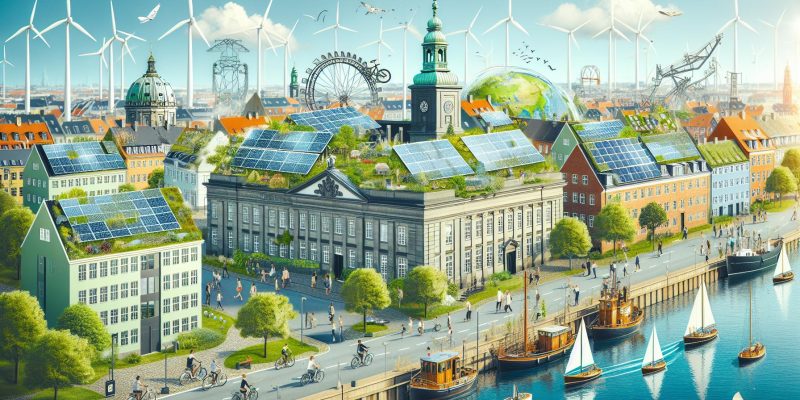
As urban areas grapple with the impacts of mass tourism and climate change, fostering sustainability becomes paramount. Copenhagen stands out as a beacon of eco-friendly practices, implementing innovative solutions like CopenPay to incentivize responsible travel. This initiative not only enhances visitor experiences but sets a precedent for cities aiming to balance tourism and environmental stewardship.
The Evolution of Sustainable Tourism in Copenhagen
A New Era of Eco-Conscious Travel
Copenhagen stands out as a beacon of sustainable travel, continually evolving its approach to tourism with innovative solutions that promote environmental duty. The city’s remarkable efforts have positioned it among the world’s top sustainable urban destinations, fostering a culture of eco-friendly practices not only among citizens but also among its visitors. One of the most groundbreaking initiatives is the upcoming CopenPay program, set to launch from July 15 to August 11, 2024. This pilot scheme incentivizes tourists to engage in climate-friendly activities by rewarding them with ‘climate coins’ that can be exchanged for cultural experiences, creating a seamless link between sustainable behavior and enjoyment of local attractions [[1](https://earth.org/reimagining-travel-how-copenhagens-copenpay-encourages-responsible-tourism-practices/)].
Pioneering Sustainable practices
The journey towards sustainable tourism in Copenhagen is underscored by a commitment to reducing carbon emissions and enhancing the urban surroundings. The city’s notable cycling infrastructure, which encourages cycling over car usage, plays a crucial role in minimizing its carbon footprint. With nearly 62% of its residents using bicycles as their primary mode of transportation,Copenhagen exemplifies how urban planning can effectively integrate sustainability into daily life [[2](https://www.environmentenergyleader.com/stories/copenhagens-innovative-approach-to-sustainable-tourism,44896)]. additionally, Denmark aims to cut emissions by 70% from 1990 levels by 2030, notably implementing the world’s first carbon tax on shipping, which further emphasizes its leadership in sustainability [[2](https://www.environmentenergyleader.com/stories/copenhagens-innovative-approach-to-sustainable-tourism,44896)].
Encouraging Responsible Tourism Behavior
CopenPay is more than just a reward program; it represents a shift in how tourists interact with their environment. By incentivizing eco-friendly choices—ranging from using public transport to participating in local clean-up activities—copenpay fosters a deeper understanding and appreciation for the city’s ecological challenges and its cultural heritage [[3](https://www.nytimes.com/2024/07/08/travel/copenhagen-sustainable-tourism.html)]. This initiative not only aims to boost the local economy through increased engagement in cultural events but also educates tourists about their impact on the environment, making responsible tourism a central component of their travel experience.
Copenhagen continues to reshape the narrative around sustainable tourism, setting a model for cities worldwide. By merging innovative technology with practical measures, the city demonstrates that sustainable tourism is not just an ideal but an achievable reality, encouraging travelers to explore the urban landscape responsibly while enjoying the unique cultural offerings.
| Year | Initiative | Impact |
|---|---|---|
| 2024 | CopenPay launch | Incentivizes eco-friendly tourist behavior |
| 2030 | Emission Reduction Goal | 70% reduction from 1990 levels |
| Ongoing | Cycling Infrastructure Development | Encourages sustainable urban transportation |
Innovative Initiatives: How Copenhagen Sets the Standard
Leading the Charge in Sustainable Practices
Did you know that in a survey by Time Out, more than 27,000 residents in Copenhagen voted their city as the most sustainable globally? This remarkable consensus reflects the dedication of local authorities and citizens alike to environmental responsibility, showcasing Copenhagen as a blueprint for urban green travel. The city’s recognition in the Arcadis Sustainable Cities Index, ranking fourth in 2024, further underscores its commitment to sustainability across three crucial pillars: planet, people, and profit [[2](https://www.wonderfulcopenhagen.com/wonderful-copenhagen/international-press/sustainability-copenhagen)].
One of Copenhagen’s most innovative initiatives is the CopenPay program, set to launch from July 15 to August 11, 2024. This pilot program encourages responsible tourism by rewarding visitors for sustainable behaviors, such as using public transportation, purchasing from local organic vendors, or participating in eco-friendly excursions. By integrating gamification into the visitor experience, CopenPay not only incentivizes eco-conscious choices but also creates a community of responsible travelers who contribute positively to the urban environment [[3](https://earth.org/reimagining-travel-how-copenhagens-copenpay-encourages-responsible-tourism-practices/)].
Strategies for Sustainable City Life
Copenhagen offers a plethora of practical strategies that visitors can adopt to enhance their own sustainable travel experiences. Below are some actionable steps for travelers:
- Embrace Public Transport: Utilize the extensive network of bikes, metros, and buses to substantially reduce your carbon footprint.
- Eat Organic: Opt for restaurants that prioritize organic and locally sourced ingredients, reinforcing the importance of supporting local agriculture.
- Participate in Local Initiatives: Engage in community-driven eco-activities such as beach clean-ups or urban gardening projects, creating a direct positive impact on the environment.
By implementing these strategies, visitors not only enjoy a richer, more immersive experience in Copenhagen but also contribute to the overarching goal of sustainable tourism, making their stay an integral part of the city’s environmental legacy. Through such initiatives, Copenhagen exemplifies how urban areas can adopt green practices to foster a sustainable future, setting a high standard for cities around the globe.
Exploring Eco-Friendly Transportation Options in the City
Innovative Transportation for a Sustainable Journey
Copenhagen has earned its reputation as a frontrunner in sustainable urban travel, not just for its commitment to eco-friendly practices, but also for its extensive range of transportation options designed to minimize environmental impact. With its well-planned infrastructure, getting around the city in an environmentally responsible way is not only easy but also enjoyable.
- Cycling: The city boasts over 390 kilometers of dedicated bike lanes, making cycling the preferred mode of transport for many locals and visitors alike. Bike-sharing programs,such as Bycyklen,allow tourists to easily rent bicycles for short periods,promoting an active lifestyle while reducing carbon footprints.
- public Transportation: Copenhagen’s public transport network, including buses, metro lines, and trains, is efficient and extensively connects all parts of the city. By investing in electric buses and upgrading metro systems, the city reduces air pollution, making public transit a viable option for sustainable travel.
- Walking: The city center is designed to be pedestrian-friendly; many attractions are within walking distance of each other. This not only reduces reliance on vehicles but also allows visitors to fully immerse themselves in the vibrant atmosphere of Copenhagen.
- Electric Vehicles: For those who prefer using cars, electric vehicle (EV) rentals are readily available, along with ample charging stations throughout the city, promoting a greener choice to conventional vehicles.
Innovations in Eco-Friendly Transportation
Copenhagen is continuously pushing the boundaries of eco-friendly travel through innovative systems like CopenPay. This initiative, set to launch in mid-2024, rewards tourists for choosing sustainable options and encourages responsible tourism behaviors that align with the city’s environmental goals. Visitors engaging in eco-friendly practices—like biking instead of driving or using public transit—will earn points redeemable for local cultural experiences, further enhancing their connection to the city while promoting sustainability.
| Transportation Option | Features | Sustainability benefits |
|---|---|---|
| cycling | Dedicated bike lanes, bike-sharing programs | Reduces traffic congestion and carbon emissions |
| Public Transit | Eco-friendly buses, comprehensive metro system | Minimizes air pollution and energy consumption |
| Walking | Pedestrian zones in city center | Promotes physical health and reduces traffic |
| Electric Vehicles | Rental EVs and charging stations | decreases reliance on fossil fuels |
by embracing these diverse transportation options, Copenhagen not only enhances the visitor experience but also serves as a model for urban green travel worldwide. Whether you’re navigating the city by bike,hopping on the metro,or strolling through its picturesque streets,each choice you make contributes to a more sustainable and vibrant urban environment.
Local Experiences: Engaging with Copenhagen’s Green community
Discovering Copenhagen’s Green Community
Copenhagen stands as a beacon of sustainability,inviting residents and travelers alike to engage in its vibrant green community. one of the most striking features of this urban environment is its emphasis on eco-friendly practices that seamlessly integrate into daily life. With multiple initiatives encouraging sustainable tourism, visitors have a unique opportunity to immerse themselves in a culture that prioritizes environmental stewardship.From participating in community clean-up events to enjoying eco-friendly tours, there’s no shortage of ways to connect with locals who are passionate about preserving their city.
Participate in Local Green Initiatives
Copenhagen actively promotes local communities through programs like CopenPay, which rewards sustainable actions with valuable experiences. Here are some engaging activities that embody the spirit of the city’s green initiatives:
- Kayak for Clean Water: Join a group of locals in free kayak rentals aimed at removing waste from the city’s waterways.
- Canal Tours: Enjoy boat rides that not only showcase Copenhagen’s beautiful skyline but also feature guides who discuss sustainable practices.
- Bicycle Tours: Explore the city’s robust cycling infrastructure while learning about its journey towards becoming carbon neutral by 2025.
Through these activities, visitors can gain first-hand insight into how the community collaborates to tackle environmental issues. this not only enhances tourists’ experiences but also fosters a sense of community involvement and responsibility.
Local Markets and Eco-Friendly Dining
Engaging with Copenhagen’s green community also extends to its culinary scene. The city is home to numerous organic markets and farm-to-table restaurants that emphasize sustainability. Whether it’s shopping at the acclaimed Torvehallerne market, where local vendors offer organic produce and goods, or dining at eateries focusing on zero-waste cooking, the experience is as enriching as it is indeed delicious. Here is a selection of popular local spots:
| Market/Restaurant | Specialty | Location |
|---|---|---|
| Torvehallerne | Organic Produce | Frederiksberg |
| Restaurant Amass | Zero-Waste Dining | Bispevej |
| Food Market at Kødbyen | Local Ingredients | Kødbyen (Meatpacking district) |
experiencing Copenhagen’s green community offers tourists more than just sightseeing; it presents an opportunity to be part of a larger movement towards sustainable living. By engaging with eco-friendly practices and local initiatives, visitors contribute to the city’s goals while taking home memories of a truly sustainable urban travel experience.
Balancing Urban Development with Nature conservation
Integrating Nature into Urban Environments
urban areas frequently enough face the challenge of balancing development needs with the preservation of natural ecosystems. In many cities, including Copenhagen, innovative approaches have emerged to ensure that nature is not a casualty of urbanization but a fundamental component of city life. By adopting principles of sustainable tourism, cities can create spaces that enhance both the environment and the quality of life for residents and visitors alike.One effective method is the incorporation of green infrastructure, which includes parks, green roofs, and biodiversity corridors. Copenhagen’s model demonstrates this beautifully, showcasing how urban planners can integrate nature into the fabric of the city to mitigate air pollution, reduce the urban heat island effect, and improve stormwater management. as tourists flock to these lush urban spaces,their economic contributions help fund ongoing conservation efforts,creating a viable cycle of growth and sustainability.
Concrete Actions for Urban Biodiversity
To effectively balance urban development with nature conservation, municipalities can implement targeted initiatives. Successful strategies include:
- Creating Green Spaces: Expand parks and recreational areas that provide habitats for wildlife while serving as community gathering spots.
- Encouraging Sustainable Travel: Promote walking and cycling through well-designed infrastructure that connects neighborhoods to green areas and minimizes reliance on cars.
- Implementing Education Programs: Raise awareness about the importance of urban biodiversity and how residents can contribute through gardening or participating in local conservation projects.
Such initiatives not only foster a sense of community but also encourage tourists to engage with local ecosystems in meaningful ways, further solidifying the link between tourism and environmental health.
| Strategy | Benefits |
|---|---|
| Green Roofs | improve air quality, reduce energy costs, enhance urban aesthetics |
| Biodiversity Corridors | Facilitate wildlife movement, enhance ecological resilience |
| Community Gardens | Encourage local food production, foster community engagement |
Emphasizing the dual benefits of urban development and biodiversity conservation creates a blueprint for cities worldwide. As seen in the Copenhagen Sustainable Tourism model, prioritizing both sectors can lead to a thriving urban ecosystem that boasts environmental, social, and economic advantages. As communities embrace this mindset, they not only safeguard their natural heritage but also enhance their global reputation as leaders in sustainable urban living.
Tips for Sustainable Travel: Making Eco-Conscious Choices
Making Eco-Conscious Choices
Did you know that urban travel can significantly impact the environment and local communities? Copenhagen serves as a prime exmaple of how sustainable tourism can transform urban experiences while promoting eco-friendliness. By integrating smart choices into your travel plans, you can minimize your footprint and support local economies. Here are some actionable tips for making your next trip more sustainable.
- Choose Sustainable Accommodations: Look for hotels and hostels that prioritize sustainability. In Copenhagen, many establishments follow eco-friendly practices, such as using renewable energy, sourcing local materials, and minimizing waste. Websites like Green Key provide lists of certified sustainable accommodations.
- Utilize Public Transport: Rather than relying on taxis or rental cars, embrace Copenhagen’s excellent public transport system, which includes bikes, buses, and trains.This not only reduces carbon emissions but also allows you to experience the city like a local.
- Support Local Businesses: Eat at locally-owned restaurants and shops, which helps sustain the community and reduces the carbon footprint associated with food transport.Copenhagen boasts a vibrant food scene, from street vendors to Michelin-starred restaurants, many of which focus on organic and locally sourced ingredients.
- engage in Eco-Tourism Activities: Participate in activities that promote conservation and cultural appreciation, such as guided tours focusing on sustainability or volunteering for local environmental projects. These experiences often provide unique insights into the city’s commitment to green living.
Embrace Local Culture and Practices
Copenhagen’s success in sustainable tourism also stems from community involvement. Travelers can enhance their experiences by immersing themselves in local traditions. Consider attending community events or workshops that promote sustainability, such as farmers’ markets or eco-friendly craft sessions. engaging with locals encourages cultural exchange and understanding, fostering a deeper appreciation for the destination.
| Tip | Example |
|---|---|
| Choose sustainable Accommodations | Green Key certified hotels |
| Utilize Public Transport | Bicycles and buses |
| Support Local Businesses | Locally-owned cafés and shops |
| Engage in Eco-Tourism Activities | Guided nature tours or volunteer opportunities |
By adopting these eco-conscious choices, you not only contribute to the preservation of Copenhagen’s unique environment but also enhance your travel experiences in meaningful ways. Sustainable tourism seeks to balance exploration with responsibility, and your efforts can definitely help model this approach for future travelers. Embrace these strategies and be a part of the change for greener destinations!
The role of Local Businesses in Promoting Green Practices
Local businesses play a crucial role in the shift towards sustainable practices, especially in urban settings where tourism is a significant driver of the economy. In cities like Copenhagen,where sustainable tourism is celebrated as a model for urban green travel,local enterprises are essential in fostering an eco-friendly environment. by adopting green initiatives, businesses contribute not only to their own operational efficiency but also to the collective health of the community.
Commitment to Sustainable Practices
Many local businesses in Copenhagen have embraced sustainable practices such as reducing waste, conserving energy, and sourcing local materials. as an example,cafes and restaurants offer organic and seasonal menus that minimize carbon footprints while supporting local farmers. Their commitment to environmentally friendly operations serves as a powerful message to tourists and locals alike, encouraging a culture of sustainability. This ripple effect not only enhances the city’s reputation as a green destination but also attracts environmentally conscious travelers.
Collaboration and Community Engagement
Collaboration among local businesses is another effective strategy for promoting green practices. This cooperation frequently enough results in joint marketing initiatives that highlight eco-friendly options available in the area.Such as, a group of hotels may partner with bike-sharing programs to offer guests discounted rentals, reinforcing the benefits of green transportation while enhancing the visitor experience. Engagement through community events that promote awareness around sustainability further instills a sense of responsibility and collective action among business owners and their customers.
Real-World Impact
As seen in Copenhagen, the integration of sustainable practices by local businesses not only improves their bottom lines through cost savings and increased customer loyalty but also leads to significant environmental benefits. A notable impact is the reduction of greenhouse gas emissions as businesses implement measures such as energy-efficient appliances and waste reduction protocols. These vitality-enhancing initiatives align well with Copenhagen’s vision of becoming carbon neutral, demonstrating how local enterprises can contribute significantly to the broader goals of sustainable urban tourism.
| green Initiative | Local Business Example | Impact |
|---|---|---|
| Organic Sourcing | Café Social | Supports local farmers and reduces transportation emissions |
| Energy Efficiency | Hotel GreenStay | Reduces energy costs and carbon footprint |
| Community Events | Local Artisans Fair | Raises awareness and fosters community involvement |
By taking actionable steps and integrating sustainability into everyday operations, local businesses in urban areas like Copenhagen set a powerful example of how economic success does not need to come at the expense of environmental responsibility.Their efforts create a model of sustainable tourism that can inspire similar initiatives worldwide, proving that local businesses are not just participants but leaders in the green revolution.
Understanding the Impact of Tourism on Copenhagen’s Environment
Tourism can significantly shape a city’s environmental landscape, and Copenhagen stands out as a remarkable example of how urban areas can embrace sustainable practices.The city is not only known for its picturesque canals and vibrant culture but also for its proactive approach to mitigating the environmental effects of tourism. With a commitment to sustainability, Copenhagen aims to become the world’s first carbon-neutral capital by 2025, which reflects its broader strategy to integrate eco-friendly initiatives across various sectors, including tourism.
Positive and Negative Impacts of Tourism
The influx of tourists brings both opportunities and challenges for the city’s environment. On one hand, tourism generates vital revenue and creates jobs, fostering economic growth. Conversely, it can exert pressure on local resources, contribute to pollution, and disrupt ecosystems. To address these challenges, Copenhagen has implemented innovative strategies that encourage responsible tourism and community engagement.These include:
- Promoting Eco-Friendly Activities: Initiatives like CopenPay incentivize tourists to participate in sustainable practices, such as collecting waste during kayak rentals and opting for public transportation.
- Encouraging Renewable energy Use: The city’s investment in wind power and biomass energy not only reduces its carbon footprint but also provides visitors with a unique experience of a city powered by renewable resources.
- Advanced Waste Management: With state-of-the-art recycling systems and waste-to-energy facilities, Copenhagen minimizes waste and showcases its commitment to a circular economy.
A Model for Urban Green Travel
Copenhagen’s approach to sustainable tourism serves as a model for other cities across the globe. By emphasizing actions that directly benefit the environment, such as free canal tours for those using sustainable transport, the city has crafted a travel experience that aligns with eco-conscious values. This not only helps reduce the overall environmental impact of tourism but also enhances visitors’ engagement with the local community and environment. As cities worldwide grapple with the environmental burden of tourism, they can look to Copenhagen’s initiatives as a blueprint for creating a more sustainable visitors’ experience.
| Tourism Strategies | Environmental Benefits |
|---|---|
| Kayak rentals for waste collection | Reduction in water pollution |
| Public transport incentives | Lower carbon emissions |
| Recycling and waste-to-energy | Minimized landfill waste |
As the demand for sustainable travel grows, Copenhagen’s commitment to integrating green practices into its tourism sector exemplifies how cities can balance economic and environmental goals. Embracing such strategies not only enhances the experience for visitors but also secures a healthier planet for future generations, positioning Copenhagen as a leader in sustainable urban travel.
Celebrating Copenhagen’s Parks and Green Spaces: Nature in the City
Copenhagen is renowned for its commitment to sustainable living and urban green spaces, making it a model city for eco-conscious tourism.With over 1,200 acres of parks and gardens, residents and visitors alike can enjoy the refreshing open air while fostering a deeper connection with nature. these green spaces are not only vital for biodiversity but also serve as community hubs that enhance the quality of urban life.
Exploring the Green Heart of the City
In the heart of Copenhagen, parks such as Kongens Have and the Copenhagen Botanical Garden offer tranquil retreats amidst the bustling urban life. The King’s Garden, originally cultivated for royalty, is now a cherished public space where locals gather for picnics and relaxation. Here are some notable parks to visit:
- Kongens Have: Perfect for a leisurely stroll and home to Rosenborg Castle.
- Copenhagen Botanical Garden: Features an impressive collection of plant species and historic greenhouses.
- Ørstedsparken: A beloved park known for its serene environment and beautiful ponds.
- Amaliehaven: Offers stunning views of the waterfront, ideal for an afternoon break.
Benefits of Urban Green Spaces
The integration of parks into Copenhagen’s urban design not only promotes mental well-being but also encourages a healthier lifestyle. Walking, cycling, and outdoor sports opportunities are abundant, contributing to the city’s low carbon footprint. Parks play a critical role in urban cooling,help manage rainwater,and improve air quality,making them essential for sustainable city planning.
Incorporating green spaces effectively into urban settings can be seen through the city’s approach to public events and festivals. As a notable example, many of the city’s parks host cultural activities that bring communities together while promoting environmental awareness. This fusion of green living with cultural expression exemplifies the essence of Copenhagen Sustainable tourism: A Model for urban Green travel.
Practical Tips for Enjoying Copenhagen’s Parks
To fully experience the beauty of Copenhagen’s parks, consider the following tips:
- Visit during spring or summer to enjoy vibrant flora and outdoor events.
- Participate in community activities like yoga in the park or guided nature walks.
- Bring a bicycle to swiftly explore multiple parks in one day.
- Engage with local conservation efforts or volunteer programs to enrich your visit.
By embracing the extensive network of parks, visitors can immerse themselves in nature while supporting the city’s goals of sustainability and communal well-being. Copenhagen truly embodies the spirit of sustainable urban travel, where nature and culture coexist harmoniously.
Final Thoughts
As we delve into the innovative strides Copenhagen is making toward sustainable tourism, it becomes evident that this city stands out as a global exemplar for urban green travel. With initiatives like CopenPay, which rewards eco-conscious behaviors, Copenhagen is not only fostering sustainable practices but also enhancing the overall travel experience by turning climate-friendly actions into a form of currency for cultural engagement [[1]](https://www.nytimes.com/2024/07/08/travel/copenhagen-sustainable-tourism.html). The city’s commitment to sustainability is further underscored by its impressive rankings—consistently appearing at the top of global sustainability indices and fostering a robust infrastructure that prioritizes cycling and renewable energy [[2]](https://www.wonderfulcopenhagen.com/wonderful-copenhagen/international-press/sustainability-copenhagen) [[3]](https://www.environmentenergyleader.com/stories/copenhagens-innovative-approach-to-sustainable-tourism,44896).
Copenhagen’s model not only offers invaluable lessons for other cities aiming to enhance their sustainability efforts but also presents travelers with an achievable blueprint for reducing their own carbon footprints. By embracing practices that prioritize the planet,people,and profit,travelers can participate in a transformative movement that promotes a healthier environment while experiencing the rich offerings of this vibrant city.
We invite you to explore more about how Copenhagen’s strategies can inspire your travels and help reshape the future of tourism into one that honors our planet. Dive deeper into the journey of sustainable tourism; let Copenhagen inspire your next adventure.
Get our latest guides, news, and insights highlighted in your Google Search & AI Overviews.


