In a world increasingly plagued by environmental challenges, Tasmania stands out as a beacon of sustainable travel. With 20% of its landscape protected as World Heritage wilderness, eco-tourism here not only helps conserve breathtaking natural beauty but also supports local cultures. Discover the hidden gems of eco-friendly adventures that await in Tasmania’s pristine wilderness.
Discovering Tasmania’s Pristine National Parks: A Natural Playground

Unveiling the Wonders of Tasmania’s National Parks
Did you know that nearly 45% of Tasmania is designated as protected wilderness, making it an ecotourism treasure trove? The island is home to a stunning array of national parks that showcase its rich biodiversity, pristine landscapes, and unique ecosystems. From the dramatic peaks of Cradle Mountain to the serene rainforests of Franklin-Gordon Wild Rivers National Park, each location offers an adventure for nature lovers and thrill-seekers alike.
Top National Parks to Explore
- Cradle Mountain-Lake St Clair National Park: Famous for its breathtaking scenery, including rugged mountains and glacial lakes, this park is a paradise for hikers with trails like the overland Track, which spans 65 kilometers through stunning landscapes.
- Freycinet National Park: Renowned for its striking beaches and pink granite mountains, Freycinet offers excellent opportunities for kayaking, walking, and wildlife watching. Visit Wineglass Bay for one of the most photographed views in Tasmania.
- Maria island national Park: This island sanctuary features remarkable wildlife,including wombats and Tasmanian devils,as well as ancient ruins from its days as a penal colony. It’s an ideal spot for cycling and hiking.
- Southwest National Park: A UNESCO World Heritage site,it boasts remote wilderness and diverse ecosystems. Outdoor enthusiasts can experience its solitude through multi-day treks or by taking a scenic flight over its vast landscapes.
Experiencing ecotourism in nature’s Playground
Engaging in eco-friendly activities in Tasmania’s national parks not only enhances the visitation experience but also contributes to the conservation of these pristine environments. Consider participating in guided wildlife tours, which allow visitors to learn about the unique flora and fauna, and also the ongoing efforts to protect these ecosystems. moreover, many parks offer sustainable accommodation options, allowing you to immerse yourself in nature without leaving a significant footprint.
For those keen to contribute actively, volunteering opportunities often exist within these parks for tasks such as trail maintenance and wildlife monitoring. By exploring eco-tourism gems in Tasmania’s wilderness, you’re not just an observer; you become a part of the preservation narrative.So, pack your bags, grab your camera, and prepare to discover the untouched beauty of Tasmania’s national parks, where every visit contributes to a greater purpose in protecting these natural wonders.
Sustainable Accommodations: Where Comfort Meets Conservation

Embark on an Eco-Friendly Escape
Imagine waking up to the sound of birdsong, surrounded by lush forests and pristine wilderness. Tasmania offers a remarkable array of eco-accommodations that promise not just comfort, but also a deep connection to nature. As one of the premier destinations for eco-tourism, the island is committed to sustainability, ensuring that visitors can experience its breathtaking landscapes without leaving a heavy footprint. From eco-lodges to treehouses, these accommodations prioritize environmental conservation while providing guests with a unique and comfortable stay.
Types of Sustainable Accommodations
Visitors keen to explore eco-tourism gems in Tasmania’s wilderness will find options that cater to varied preferences, ensuring a memorable experience.here are some extraordinary choices:
- Eco-Lodges: Frequently enough constructed using sustainable materials and powered by renewable energy, these lodges offer luxurious amenities with minimal environmental impact.
- Tiny Homes: Perfect for couples or solo travelers, these compact spaces exemplify sustainable living, often featuring off-grid capabilities and smart storage solutions.
- Retreats with Workshops: Certain accommodations provide hands-on environmental workshops,imparting knowledge about local conservation efforts and sustainable practices.
- Nature-based Retreats: Nestled in scenic locations, these retreats emphasize the relationship between comfort and conservation, providing serene environments to unwind.
Real-World Examples
Consider staying at properties like the Roundhouses, which are renowned for their innovative designs and commitment to ecological principles. Additionally, the region has seen a rise in boutique hotels that integrate seamlessly with the surrounding surroundings, offering guests the chance to enjoy local wildlife and natural beauty comfortably.
| Accommodation Type | Features | Location |
|---|---|---|
| Eco-Lodge | Sustainable materials, renewable energy | Mount Field National Park |
| Tiny Homes | Off-grid living, compact design | Freycinet Peninsula |
| Nature Retreat | Workshops, scenic views | Cradle Mountain |
Opting for sustainable accommodations not only enhances your travel experience but also contributes to the preservation of Tasmania’s stunning natural environment. By choosing places that prioritize eco-friendly practices, you become part of a larger movement towards responsible tourism, ensuring that Tasmania’s wild beauty is protected for future generations to enjoy.
Unique Eco Tours: Engaging Experiences in Untamed Landscapes
Discover the Wild Heart of Tasmania
Tasmania, an island cloaked in natural splendor, offers a multitude of eco-friendly adventures that honor and protect its breathtaking landscapes and diverse wildlife. With pristine coastlines, ancient forests, and rugged mountains, the region is a haven for eco-tourists seeking immersive experiences in untamed realms. From hiking trails that weave through World Heritage sites to captivating wildlife cruises, your journey through Tasmania promises profound connections with nature.
- Pennicott Wilderness Journeys: Known for their breathtaking cruises, Pennicott Wilderness Journeys operates in Hobart, showcasing the stunning Tasman national Park. Their eco-certified boat tours transport you through stunning sea cliffs and pristine waterways, where you may spot dolphins, seals, and a variety of seabirds. Each journey emphasizes environmental sustainability, ensuring minimal impact on the delicate ecosystems encountered.
- Three Capes Track: This 4-day hike presents awe-inspiring views over the Southern Ocean and secluded inlets, making it one of the most remarkable walking experiences in Australia. Designed with eco-tourism principles in mind, the track is equipped with sustainable facilities that enhance visitor experience while preserving the natural environment.
- Eco Lodges and Sustainable Accommodations: Travelers can rest in eco-lodges across Tasmania, which not only provide comfort but also promote sustainable practices. These lodges frequently enough feature solar energy, rainwater harvesting, and locally sourced meals, ensuring that your stay leaves a positive footprint.
Immerse Yourself in unique Experiences
For those looking to truly engage with the landscape,programs like the 8 Day Eco/Off Grid Self Drive Tour allow you to explore Tasmania at your own pace,staying in eco-lodges and driving hybrid vehicles. This iteratively designed itinerary respects the natural environment while highlighting the charm of Tasmanian towns and special ecological attractions. Participants are encouraged to take part in hands-on conservation projects, further deepening their connection to this remarkable wilderness.
| Experience | Highlights | Best Time to Visit |
|---|---|---|
| Pennicott Wilderness Journeys | Seal and dolphin sightings,stunning coastal views | Year-round,except for extreme weather |
| Three Capes Track | Epic ocean views and biodiversity | October to april |
| Eco/Off Grid Self Drive Tour | Thorough exploration of local towns and ecosystems | Spring and summer months |
These unique eco tours not only provide engaging experiences but also foster an appreciation for Tasmania’s rich natural heritage.As you traverse through these untamed landscapes, you’ll not only witness their amazing beauty but also contribute to their preservation. By choosing eco-friendly options, you help maintain Tasmania’s status as a leader in sustainable tourism. Explore eco tourism gems in Tasmania’s wilderness and leave with memories that will last a lifetime.
Local Flavors: Savoring Tasmania’s Culinary Delights Sustainably

Discovering Sustainable Culinary Practices
When it comes to savoring the rich flavors of Tasmania, the experience goes beyond just the palate; it intertwines with the unique biodiversity and sustainable practices that the island promotes. Local produce is not only fresh but is cultivated with respect for the land, ensuring that each bite contributes to the health of the environment. Tasmania’s temperate climate nurtures a variety of ingredients, from artisanal cheeses to succulent seafood, all crafted with sustainability in mind. this commitment to preserving natural resources while celebrating local flavors makes Tasmania a culinary haven for eco-conscious foodies.
Farm-to-Table experiences
One of the most impactful ways to enjoy Tasmania’s local cuisine sustainably is by participating in farm-to-table experiences. Many local farms offer tours and tastings that allow visitors to engage directly with producers.Here are some highlights of the farm-to-table movement in Tasmania:
- Artisanal cheese Producers: visit places like Bruny Island Cheese Co., where you can sample organic cheeses made from locally sourced milk, paired expertly with Tasmanian wines.
- Salmon Farms: Experience the fresh flavors of the ocean at salmon farms in the Huon Valley, where you can learn about sustainable aquaculture practices that protect marine ecosystems.
- Berry Farms: Indulge in the sweetness of Tasmanian raspberries and strawberries, which are harvested during the summer months. Many farms welcome visitors for pick-your-own experiences.
Exploring Culinary Tours and Events
Joining a culinary tour can deepen your appreciation for Tasmania’s gastronomy while supporting local producers. Various tours offer guided tastings that focus on sustainable practices:
| Tour Name | Description | highlights |
|---|---|---|
| Tasmanian Food Tours | A full-day experience showcasing local food and wines. | farm visits, local markets, and vineyard tours. |
| Gourmet Wine Tours | Explore cool-climate vineyards and tasting rooms. | Meet winemakers, enjoy wine pairings. |
| Seafood Adventures | Experience the freshest seafood in unique settings. | Oyster tastings, guided fishing trips. |
These tours not only provide a taste of Tasmania’s exceptional offerings but also educate participants about the region’s commitment to sustainable agriculture and local sourcing. By opting for these authentic experiences, visitors can enjoy Tasmania’s culinary delights while actively contributing to the conservation of its exquisite wilderness, embodying the spirit of eco tourism gems within the island’s lush landscapes.
Wildlife Wonders: encountering Tasmania’s Unique Fauna Responsibly
Discovering Tasmania’s Wildlife in Harmony with Nature
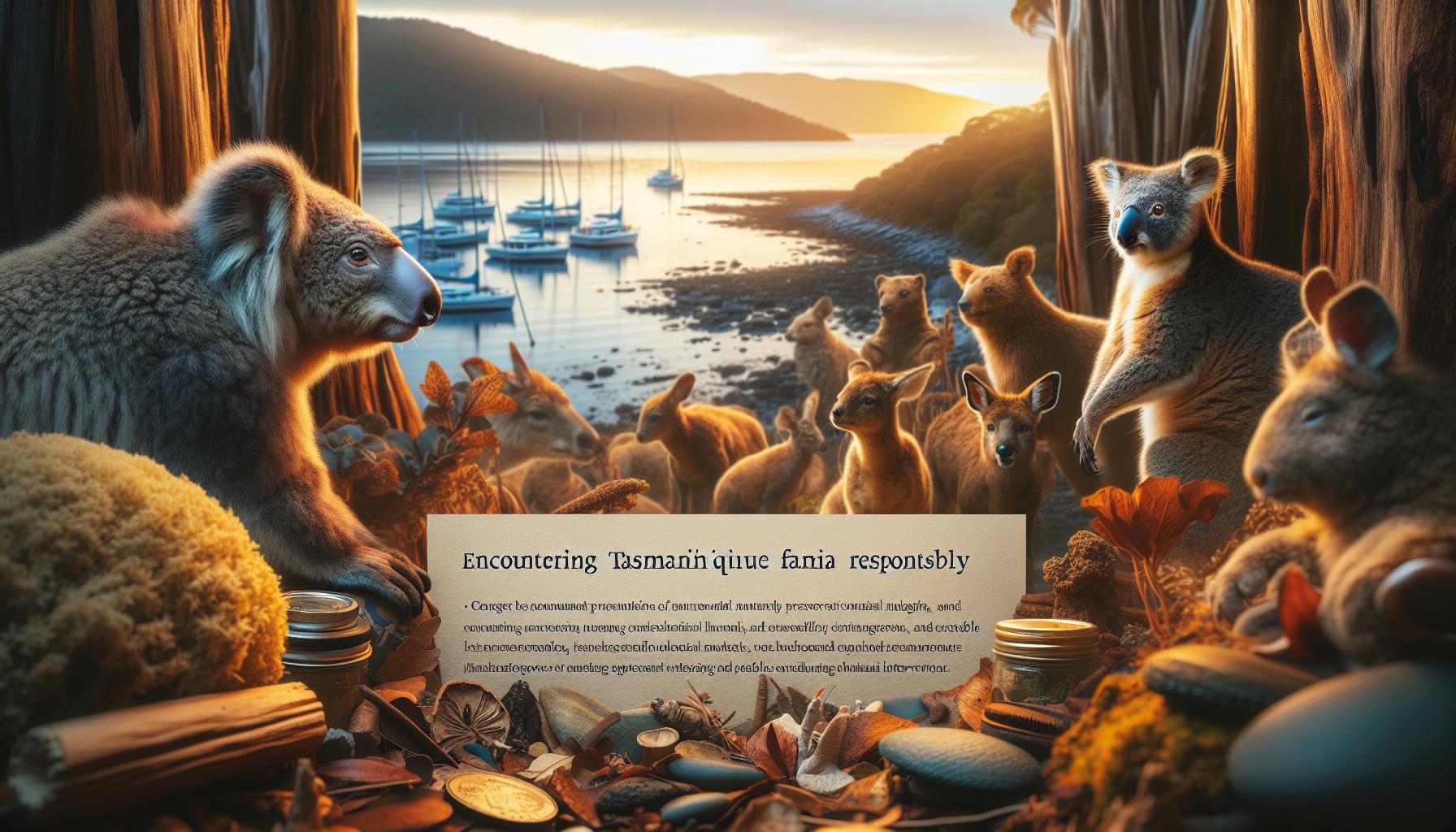
Did you know that Tasmania is home to some of the world’s most unique and rare wildlife? With a variety of ecosystems ranging from rugged coastlines to lush rainforests,the island provides an unparalleled chance to encounter flora and fauna that exist nowhere else on Earth. As you explore eco-tourism gems in Tasmania’s wilderness, it’s essential to embrace responsible wildlife tourism practices that contribute to the conservation of these remarkable species.
Top Responsible Wildlife Experiences:
- Bonorong Wildlife Sanctuary: Here, visitors can engage in hands-on experiences with Tasmanian devils, echidnas, and other native species while learning about local conservation efforts. This sanctuary plays a crucial role in rescuing and rehabilitating injured wildlife.
- Maria Island Walk: This guided multi-day walking tour allows visitors to explore the unspoiled beauty of Maria Island while spotting diverse wildlife, including wombats and nearly 200 species of birds, all while following sustainable practices.
- Wilderness Cruises: Take a scenic cruise through Tasmanian waters to observe seabirds, dolphins, and seals in their natural habitats. operators focus on minimizing ecological footprints, ensuring a respectful coexistence with nature.
planning Your Responsible Encounter
Before embarking on your wildlife adventures, consider these practical steps to ensure your encounters are beneficial to both the animals and their habitats:
| Tips for Responsible Wildlife Viewing | Description |
|---|---|
| Keep a Safe Distance | Always observe wildlife from a respectful distance to avoid disturbing their natural behaviors. |
| Stay on Designated Paths | By sticking to marked trails, you help protect fragile ecosystems and minimize human impact. |
| Follow Local Guidelines | Obey all rules provided by guides and parks to ensure the safety of both visitors and wildlife. |
| Educate Yourself | Learn about the species you may encounter and the conservation challenges they face to better appreciate their importance. |
By choosing eco-friendly tours and practices, you’ll not only enrich your own experience but also contribute to the preservation of Tasmania’s unique wildlife and their habitats. The opportunity to explore eco-tourism gems in Tasmania’s wilderness is not just about observing; it’s about participating in a broader effort to protect these irreplaceable treasures for generations to come.
Cultural Connections: Indigenous Perspectives in Eco Tourism

Embracing Indigenous Wisdom in Eco Tourism
Indigenous communities have always held a profound connection to their land, informing sustainable practices that preserve not only natural resources but also cultural heritage. In Tasmania, this bond is evident as eco tourism flourishes within the rich tapestry of Aboriginal history and tradition. The inclusion of Indigenous perspectives not only enhances the authenticity of eco tourism experiences but also ensures that these practices respect and uphold the values of local communities. by integrating Indigenous knowledge into eco tourism strategies, visitors can gain a deeper understanding of Tasmania’s unique ecosystems and cultural landscapes.
Key Aspects of Indigenous Perspectives in Eco Tourism:
- Deep Ecological Knowledge: Indigenous peoples possess centuries of ecological insights that are crucial for effective conservation efforts. Their customary practices, such as controlled burns and sustainable harvesting, showcase a harmonious relationship with the environment.
- Cultural Heritage: Eco tourism that prioritizes Indigenous culture allows for the storytelling and passing down of traditions. Engaging with local guides provides visitors with a holistic view of the cultural meaning of natural sites.
- Economic Empowerment: By involving Indigenous communities in eco tourism ventures, economic benefits can be directly funneled back into these communities, supporting local livelihoods and preserving cultural practices.
moreover, areas like the Tasmanian Wilderness offer countless eco tourism gems where Indigenous voices can be amplified. Such as, guided tours led by Aboriginal heritage specialists not only highlight the natural beauty of sites but also intertwine stories of historical significance and cultural practices. Visitors can participate in traditional activities such as weaving,painting,and foraging,bridging the gap between the natural world and Indigenous culture.
| Activity | Description | Location |
|---|---|---|
| Guided Cultural Tours | Experience the land through the eyes of Indigenous guides who share stories and traditional practices. | all around tasmania |
| Workshops and art Classes | Participate in traditional arts and crafts, learning techniques passed down through generations. | Various cultural centers |
| foraging and Nature Walks | Learn about local flora and fauna and their significance in Indigenous culture. | Selected national parks |
Incorporating Indigenous perspectives into Tasmania’s eco tourism landscape not only enriches the traveler’s experience but also fosters a sustainable approach that benefits both the environment and the local communities. by choosing to explore eco tourism gems in Tasmania’s Wilderness with these insights in mind, visitors can support a more respectful and rewarding travel experience that honors the land’s original stewards.
Adventure Awaits: Outdoor Activities for Every Eco Explorer
Unearth the Wonders of Tasmania’s Wilderness
If you’re looking to immerse yourself in an untouched paradise, Tasmania’s wilderness is a treasure trove of eco-adventures waiting to be explored. Home to some of the last remaining temperate rainforests and a plethora of unique wildlife, this Australian marvel offers an array of activities that cater specifically to eco-conscious adventurers.From hiking through lush landscapes to engaging in wildlife conservation efforts, the options are as diverse as the ecosystems themselves.
- Hiking and Walking Tours: One of the best ways to experience Tasmania’s natural beauty is through its extensive network of walking trails. The Overland Track offers an iconic multi-day trek through stunning wilderness,showcasing breathtaking views,waterfalls,and pristine lakes. For a shorter excursion,consider the Cradle Mountain Circuit; it’s perfect for a day hike while still capturing the essence of Tasmania’s rugged charm.
- Wildlife Spotting Tours: Tasmania is renowned for its unique fauna, including the Tasmanian Devil, echidnas, and wombats. Guided wildlife tours not only enhance your chance of spotting these creatures but also educate you on their habitats and conservation efforts. Companies focused on responsible tourism ensure that all interactions respect the natural behaviors and wellbeing of the animals.
- Cultural Experiences: Engage with the local Aboriginal communities through guided tours that share stories of their connection to the land. Activities may include traditional cooking classes, art workshops, and performances that highlight the rich history and culture of Tasmania’s Indigenous peoples.
Responsible Enjoyment: Eco-Friendly Practices
To truly enjoy the eco-tourism gems of Tasmania’s wilderness, it’s essential to follow sustainable practices that protect the environment while enhancing your experience. Here are some practical tips to keep in mind:
| Eco-Friendly Practice | Description |
|---|---|
| Leave No Trace | Always dispose of waste properly and avoid disturbing natural habitats. |
| Support Local Businesses | Choose local guides, eateries, and accommodations to benefit the community. |
| Offset Carbon footprint | Consider carbon offset programs for your travel to reduce environmental impact. |
| Respect Wildlife | Maintain a safe distance from animals and never feed them. |
By engaging in these mindful practices, you not only experience the incredible natural surroundings of Tasmania but contribute to their preservation for future generations. The combination of adventure and environmental stewardship makes exploring these eco-tourism gems a rewarding experience for every eco explorer.
Navigating Regulations: Eco-Friendly Travel tips for Tasmania
As travelers increasingly seek destinations that prioritize sustainability, Tasmania stands out as a premier choice for eco-conscious adventurers. The state’s commitment to preserving its breathtaking natural landscapes while promoting responsible tourism is evident in its detailed regulations and policies aimed at protecting the environment. Understanding these regulations can enhance your eco-friendly travel experience and ensure you contribute positively to Tasmania’s unique ecosystems.
Understand the Local Coastal Policies
Tasmania’s State Coastal Policy is pivotal for anyone looking to explore the coast responsibly. This policy regulates advancement in coastal areas, ensuring that ecotourism flourishes while prioritizing environmental protection. As a visitor, familiarize yourself with these guidelines to avoid activities that could harm fragile ecosystems.When planning your itinerary, consider attending local tours led by eco-friendly operators who adhere to these regulations, ensuring your explorations are both enjoyable and sustainable.
Choose Eco-Friendly Accommodations
Opt for eco-lodges or accommodations that are committed to sustainable practices. Many places in Tasmania, from boutique hotels to camping grounds, are certified green and provide a smaller environmental footprint. Check for sustainability certifications, such as EcoCert or Green Globe, when booking your stay.This helps ensure that your choice supports local conservation efforts while reducing waste and energy consumption during your visit.
Engage in Responsible Outdoor Activities
When exploring Tasmania’s wilderness, participating in activities that minimize impact is crucial. here are a few tips to keep your adventure eco-friendly:
- Respect Wildlife: Observe animals from a distance, never feed them, and avoid disturbing their habitats.
- Stay on Marked Trails: To protect native plants and wildlife, only hike on designated paths and trails.
- practice Leave No Trace Principles: Carry out all waste, minimize campfire impacts, and only use designated camping sites.
| Activity | Eco-Friendly Tip |
|---|---|
| Hiking | Stick to marked trails and avoid cutting through vegetation. |
| Kayaking | Use environmentally friendly kayaks and avoid disturbing marine life. |
| Camping | Choose established sites and practice Leave No Trace. |
By following these eco-friendly travel tips, you not only enjoy the stunning beauty of Tasmania’s wilderness but also contribute to its preservation for future generations. this approach ensures that you truly experience the best of what Tasmania has to offer while being a responsible traveler mindful of the environment.
the Role of Conservation: Protecting Tasmania’s Natural Heritage
The Importance of Conservation in Tasmania
Tasmania is home to some of the most pristine wilderness areas in the world, a treasure trove of biodiversity and natural beauty that is vital not only to the island but to global environmental health. With about 42% of its land area protected under various conservation measures, the island serves as a living laboratory for ecological research and a sanctuary for endangered species. Conservation efforts in tasmania are not merely about preserving landscapes; they are integral to maintaining the delicate balance of ecosystems that support unique flora and fauna, some of which can be found nowhere else on Earth.
Key Conservation Initiatives
Several notable initiatives exemplify Tasmania’s commitment to conservation and the protection of its natural heritage:
- Save the Tasmanian Devil Programme: An innovative approach to combating the fatal facial tumor disease affecting this iconic species, it combines veterinary care, breeding programs, and habitat restoration.
- Orange-bellied Parrot Program: Targeting one of the world’s rarest seabirds, this program involves habitat management, captive breeding, and community engagement to help bolster the wild population.
- Maugean Skate recovery: Focused on preserving a freshwater skate species endemic to Tasmania, efforts include habitat protection, research, and community monitoring.
Community and Eco-tourism Synergy
Engaging local communities and eco-tourism operators is crucial for effective conservation. Visitors exploring eco-tourism gems in Tasmania’s wilderness not only experience the stunning landscapes but also contribute to the funding and support of these initiatives through their activities. Eco-tourism fosters a sense of stewardship among travelers. Such as, guided eco-tours often include educational components that highlight conservation efforts, encouraging participants to become advocates for Tasmanian wildlife after they leave.
| Eco-tourism Activity | Conservation Impact |
|---|---|
| Guided Wilderness Tours | Funds local conservation projects and raises awareness about habitat preservation. |
| Wildlife Photography Workshops | Promote understanding of endangered species and the importance of biodiversity. |
| Volunteer Conservation Programs | Direct involvement in habitat restoration and species monitoring. |
By marrying conservation with tourism, Tasmania not only preserves its unique environments but also provides sustainable economic opportunities for local communities.As visitors explore eco-tourism gems in Tasmania’s wilderness, they play a pivotal role in ensuring that these natural wonders endure for future generations.
The Conclusion
as we uncover the eco-tourism gems nestled within Tasmania’s breathtaking wilderness,it becomes clear that this island state offers unique experiences that intertwine natural beauty with sustainable practices. With over 20% of its landscape designated as World Heritage-listed and a commitment to preserving its pristine environment, Tasmania stands as a beacon of eco-friendly travel. The island features an impressive array of protected marine reserves and conservation areas, empowering travelers to engage with its extraordinary biodiversity responsibly[[1]](https://tasmania.com/things-to-do/eco-conservation/) [[2]](https://speakeasymagazine.com.au/stays/exploring-eco-tourism-in-tasmania-sustainable-travel-experiences/).
By choosing to explore Tasmania, you’re not merely visiting a destination, but participating in a movement that values and protects our planet’s resources. Each journey through its untouched landscapes supports local communities and fosters a deep appreciation for the cultural heritage that enhances these natural treasures. We encourage you to embark on your own eco-adventure in Tasmania, to experience the clean air, stunning vistas, and vibrant wildlife first-hand. Let this path of exploration lead you to not only discover the wonders of Tasmania but also to contribute to a sustainable future for travel.Dive deeper into this inspiring world, and consider how you can play a role in protecting these natural assets during your visit. Your journey begins here—discover the beauty and significance of eco-tourism in Tasmania today!
Get our latest guides, news, and insights highlighted in your Google Search & AI Overviews.