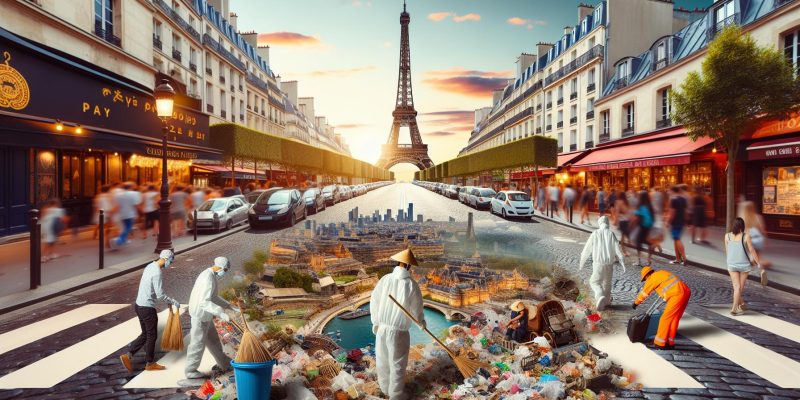
paris, the City of Light, faces a growing dilemma as an influx of visitors leads to overcrowding and strained resources.This surge not only diminishes the local experience but also threatens the unique charm that draws tourists in the first place. Addressing these challenges is vital for preserving the city’s rich culture and ensuring a sustainable future for both residents and visitors alike.
Understanding the Overcrowding Crisis in Paris: A Tourist’s perspective
Every year, Paris attracts millions of tourists, but this immense popularity comes at a cost. The city’s iconic attractions are becoming increasingly challenging to enjoy as they become overwhelmed with visitors. Overcrowding not only diminishes the visitor experience but also creates significant challenges for local residents and the overall urban environment. The government of France is acutely aware of this crisis and has laid out specific strategies to combat what is often termed “overtourism” in its efforts to create a more sustainable tourism model [[1]].
One of the most striking examples of this overcrowding can be seen in famous sites like the Louvre, which now operates on a reservations-only basis. This effort is aimed at managing visitor flow and mitigating congestion during peak tourist seasons. Nonetheless, even with these measures in place, tourists often find themselves squeezed into narrow galleries, making it difficult to fully appreciate the art [[2]].Visitors are encouraged to consider alternative experiences such as smaller, lesser-known museums that offer a more intimate and less crowded setting.
Moreover, it’s essential for tourists to plan their visits strategically. Understanding local habits, like rush hours on public transport, can dramatically enhance the experience. The city’s metro is especially crowded during weekday mornings and evenings, with peak congestion typically occurring from 7:30 AM to 9:30 AM and from 5 PM to 7 PM. To avoid the rush, tourists shoudl consider exploring popular sites early in the morning or later in the evening, allowing them to take in the magnificence of Paris more peacefully.
Here are some practical tips for navigating the overcrowding crisis:
- Visit lesser-Known Attractions: Discover hidden gems such as the Musée de l’Orangerie or the Musée marmottan Monet.
- Choose Off-Peak Hours: Opt for early visits or consider evening openings for popular venues.
- Plan Multi-Attraction passes: Use combined tickets to skip lines at major sites.
- Engage in Local Tours: Participate in guided tours that focus on less-traveled areas of the city.
By adopting these strategies, tourists can mitigate the negative impacts of overcrowding and contribute to a more sustainable tourism environment in Paris. Embracing a broader perspective on travel can lead to a richer, more enjoyable experience for all.
The Environmental Toll of Mass Tourism on Paris
The Squeeze of Tourist Foot Traffic
Paris, a city synonymous with romance, art, and history, attracts millions of visitors annually. However, this influx does not come without significant environmental costs. The overwhelming number of tourists considerably contributes to various environmental stresses,including air pollution and waste management issues. In 2019 alone, the city welcomed over 38 million visitors, leading to increased congestion on its iconic streets, a phenomenon that poses a substantial challenge to maintaining the city’s aesthetic and ecological integrity.
A Strain on Resources and Green Spaces
As the tourist population swells, the pressure on Paris’s resources intensifies. The demand for services such as water and energy escalates, often exceeding the city’s capacity to supply them sustainably. The scenic parks and gardens that provide residents and visitors with a breath of fresh air are also suffering. Parks like the Jardin des Tuileries face degradation due to foot traffic, which disrupts the soil composition and pushes out native flora. This persistent strain can lead to long-term environmental degradation, threatening the city’s green spaces that are vital for urban biodiversity.
Waste Management Woes
One of the more visible impacts of mass tourism in Paris is the increase in waste generation. Tourists produce significantly more waste, from single-use plastics to food scraps, which strains the city’s waste management systems. While Paris has made strides in promoting recycling,the sheer volume of waste produced during peak tourist seasons poses logistical challenges. this results in littered streets and environmental hazards not only affecting the city’s aesthetics but also its wildlife and waterways, as diverted waste can seep into the Seine and local ecosystems.
Mitigating the Environmental Impact
To combat these negative impacts, Paris has begun implementing strategies aimed at sustainability. Initiatives such as promoting off-peak tourism through targeted marketing campaigns encourage visitors to explore in less crowded times, thereby reducing the pressure on resources. Additionally, expanding green spaces and enhancing waste management systems can help mitigate some of the environmental toll. visitors are encouraged to engage in eco-friendly practices, such as using public transportation, minimizing waste, and respecting local regulations that protect the city’s ecological treasures.
By addressing these challenges head-on, Paris stands a chance to preserve its beauty for future generations while balancing the economic benefits of tourism with the necessity of environmental stewardship.
Community Voices: How Local Residents Experience Tourism
In a city renowned for its art, culture, and history, the daily lives of residents can be profoundly affected by the waves of tourists that flood its streets. For many Parisians, this influx translates into a double-edged sword; while tourism contributes significantly to the city’s economy, it also brings a host of challenges that can disrupt the quality of life for locals.
The Strain of Overcrowding
Many residents report feeling overwhelmed by the sheer number of visitors in their neighborhoods. Streets that were once peaceful become bustling thoroughfares. Local shops and restaurants often cater primarily to tourists rather than catering to the community, leading to a dilution of local culture and services. The intimate charm that defines many Parisian locales is frequently enough undermined by the stress of overcrowding, which can provoke frustration and resentment among long-time residents.
Economic Balance: Benefits and Challenges
While tourism is a crucial economic driver, generating jobs and supporting small businesses, it can also exacerbate the cost of living. Rising rents and prices, spurred by demand for short-term rental accommodations, can push locals out of their homes. In response, some neighborhoods have begun implementing measures to limit tourist accommodations, protecting local residents from unsustainable changes in their communities.
Voicing Their Concerns
- Community Engagement: Many local groups have emerged,advocating for a more sustainable tourism model that respects resident needs while promoting economic benefits.
- Policy Changes: Suggestions for policy changes include imposing limits on the number of tourists in notably crowded areas and enhancing public services to better support local residents.
The voices of Parisians are crucial in shaping the future of tourism in the city. Their experiences highlight the need for proactive measures to ensure that the charm and livability of Paris are preserved amidst the ongoing challenge of combating overcrowding and its negative impacts.

Strategies for Sustainable Travel: Reducing Your Footprint in Paris
Making a Meaningful Impact on Your Paris Journey
Traveling to one of the world’s most iconic cities doesn’t have to come at the expense of its rich culture and environment. With the rise of sustainable tourism, visitors to Paris can take actionable steps to mitigate the negative impacts of tourism while enjoying all that the City of Light has to offer. With thoughtful planning and a few conscious choices, you can become part of the solution in combating overcrowding and preserving the beauty of Paris for future generations.
Choose Eco-Friendly Transportation
One of the most effective strategies for reducing your footprint in Paris is to opt for sustainable modes of transportation.Consider these alternatives:
- Walking or Biking: Explore charming neighborhoods and hidden gems at your own pace. Paris is known for its pedestrian-friendly streets and extensive bike-sharing programs like Vélib’, offering a fun and eco-friendly way to see the city.
- Public Transit: Utilize Paris’s robust metro system and buses. Not only does this reduce carbon emissions,but it also allows you to experience the city like a local.
- Electric Scooters: Rent an electric scooter for a swift and environmentally friendly way to navigate the city without contributing to traffic congestion.
Support Local Businesses
Economic sustainability is crucial in addressing tourism impacts. By supporting local businesses, you are helping to ensure that the economic benefits of tourism are felt within the community. Here’s how to make conscious choices:
- Dine locally: Choose restaurants that prioritize local and organic ingredients.Not only does this support the neighborhood, but it also reduces the carbon footprint associated with transporting food.
- Shop Sustainably: Purchase souvenirs and gifts from artisan shops rather than mass-produced items. This supports local craftsmen and reduces the environmental impact of overseas shipping.
- Participate in Community Activities: Look for workshops or tours led by locals that provide insight into Parisian culture, further ensuring that your travel contributions benefit residents directly.
Be mindful of Your Habits
Personal duty plays a significant role in reducing the negative impacts of tourism. Simple actions can lead to meaningful change:
- Practice Waste Reduction: Carry a reusable water bottle and shopping bag to minimize single-use plastics.Paris offers many refill stations to keep you hydrated sustainably.
- Respect Local Etiquette: Familiarize yourself with local customs and regulations, especially in crowded areas. This practice not only enriches your experience but also helps maintain harmony between visitors and residents.
- Choose Off-Peak Times: Plan visits to popular attractions during off-peak hours to help distribute foot traffic more evenly. This strategy not only enhances your experience but also alleviates pressure on overrun sites.
By implementing these strategies, you contribute to a more sustainable tourism model in Paris, effectively combating the overcrowding challenges faced by this beloved city. Your mindful choices can create a ripple effect, inspiring others while preserving the unique charm and vibrancy of Paris for future travelers.
The Role of Policy in Managing Tourist Flow in the City of Light
Transformative Policies addressing Overcrowding
In response to the overwhelming pressures of tourist influx, Paris has implemented a series of bold policies aimed at managing visitor flow. These measures address not only the environmental impact but also the deterioration of the visitor experience and the quality of life for residents. One significant approach is the increase in tourist taxes, expected to rise by 200% in 2024. This financial strategy is designed to fund improvements in public transportation and infrastructure that can better accommodate both locals and tourists alike ([1]).Additionally,the French government has communicated a strong message to potential visitors—stay away from the city’s most famous landmarks during peak times. This proactive stance, articulated by the tourism minister, aims to mitigate the strain that high volumes of visitors place on parisian heritage sites and urban environments ([3]). This policy underlines a shift towards sustainable tourism, encouraging travelers to explore less frequented areas, which can enhance their experience while lessening congestion in hotspots like the Eiffel Tower and Notre Dame.
Future Directions and Infrastructure Improvements
Beyond immediate strategies, long-term plans are underway, including extensive renovations of iconic sites such as the Louvre. These renovations are not only essential for maintaining the structural integrity and aesthetics of the museum but also include creating a dedicated viewing space for masterpieces like the Mona Lisa,aimed at improving visitor distribution and flow within the museum. Such developments will take nearly a decade to complete, reflecting a commitment to enhancing the overall visitor experience while tackling the negative impacts of tourism on Paris ([2]).
By integrating higher tourist taxes, encouraging mindful travel, and committing to significant infrastructural improvements, Paris is not just reacting to overcrowding—it is indeed shaping a future where tourism contributes positively to the city’s cultural and communal fabric. These steps, while aspiring, serve as a model for other cities grappling with similar challenges, demonstrating that effective policy can foster a balance between the joys of tourism and the preservation of local life.
Innovative Solutions: How Technology Can Help Alleviate Overcrowding
The surge in tourism, particularly in iconic destinations like Paris, often leads to significant crowding, detracting from the visitor experience and placing considerable strain on local infrastructure. However, technology presents a myriad of innovative solutions that can effectively alleviate this issue. By harnessing digital tools and data analytics, cities can optimize resource use and manage tourist flows more efficiently.
Smart city Initiatives
One of the most effective strategies incorporates smart city initiatives. These systems utilize real-time data to monitor and manage crowd levels, allowing visitors and residents to plan their movements accordingly. For instance, mobile applications can provide up-to-the-minute data on the number of tourists at popular attractions, helping visitors avoid peak times. Cities can also implement electronic signage at transportation hubs that directs tourists to less crowded areas, redistributing foot traffic and enhancing the overall visitor experience.
Data-driven Decision Making
Employing data analytics is crucial for understanding and predicting tourism patterns. By analyzing historical data, cities can anticipate peak tourism seasons and develop targeted strategies to mitigate crowding during these times. Such as, promotional campaigns can be timed to encourage visits during off-peak seasons, thus distributing tourist numbers more evenly throughout the year. Additionally, partnering with local businesses to offer incentives, such as discounts or exclusive experiences during less busy times, can further alleviate congestion.
Enhanced Visitor Management Systems
Implementing elegant visitor management systems can drastically improve the flow of tourists in high-traffic areas. These systems can track visitor movements through the city, providing insights into popular routes and hotspots. With this information, city planners can make informed adjustments to public transport schedules or develop new pathways that help disperse crowds. For example, creating pedestrian-only zones or enhancing public transport options to less visited neighborhoods can enrich the travel experience while reducing the burden on well-trodden sites.
| Technology Solution | Impact on Overcrowding |
|---|---|
| Smart City Applications | Real-time crowd monitoring, encouraging visits to less crowded areas |
| Data Analytics | Forecasting peak times and promoting off-peak discounts |
| Visitor Management Systems | Improved flow of tourists, reducing congestion at key sites |
Embracing these technological innovations not only addresses the negative impacts of tourism in Paris but also enhances the experience for visitors and residents alike. By fostering a more balanced distribution of tourist activity,cities can preserve the cultural heritage and charm that attracts millions each year.
Exploring Off-the-Beaten-Path Attractions in Paris
Discovering Hidden Gems in Paris
Did you know that while Paris attracts millions of tourists each year with its iconic landmarks, many equally enchanting spots remain off the radar? Exploring these lesser-known attractions not only enhances your experience but also helps combat the negative impacts of tourism in Paris by reducing pressure on popular sites.As overtourism has led to significant overcrowding in areas like the Eiffel Tower and the Louvre, seeking out alternative locations can provide a refreshing escape and contribute to the sustainability of the local culture and economy.
Secret Parks and Quaint Neighborhoods
Instead of the bustling Jardin des tuileries, consider visiting the peaceful Parc des Buttes-Chaumont. Nestled in the 19th arrondissement, this park features stunning cliffs, waterfalls, and scenic views of the city, offering a perfect spot for a serene picnic away from the crowds. Similarly, the charming neighborhood of Le Marais offers narrow streets lined with art galleries, boutiques, and cafés, allowing for a leisurely stroll that immerses you in the Parisian vibe without the throngs of tourists.
Unique Museums and Cultural Experiences
For art and history enthusiasts, the Musée de l’Orangerie provides an intimate setting to admire Monet’s Water Lilies, frequently enough overshadowed by larger museums. Alternatively,the Musée Marmottan Monet showcases a broader collection of Impressionist works in a more relaxed environment. These lesser-known museums not only offer rich cultural experiences but also help mitigate the congestion found in traditional hotspots, aligning with efforts to address the negative impacts of tourism in Paris.
Culinary Adventures Beyond the Obvious
Don’t miss out on tasting authentic French cuisine in less touristy areas. Seek out local bistros such as Chez Janou in the Marais or Le Comptoir de la Gastronomie in the 2nd arrondissement,where you can indulge in traditional dishes without the inflated prices and long wait times characteristic of popular eateries. Exploring the culinary diversity of Paris can greatly enhance your travel experience while promoting responsible tourism practices.
- Visit Parc des Buttes-Chaumont for a peaceful retreat.
- Explore the hidden art collections at Musée Marmottan.
- Dine at local bistros for authentic cuisine away from tourist traps.
Embracing off-the-beaten-path attractions not only enriches your visit to Paris but also plays a vital role in combating the overcrowding issues facing the city. Engage with the local culture and support sustainability by choosing to explore these captivating alternatives.
Promoting Responsible Tourism: What Travelers Can Do
Overcrowding in iconic destinations like Paris can diminish the experience for both visitors and locals, leading to detrimental effects on the city’s charm and cultural heritage. By embracing responsible tourism practices, travelers can significantly mitigate these issues while enjoying their visits more fully.
Choose off-Peak Times
One of the easiest ways travelers can combat overcrowding is by planning their trips during off-peak periods.By avoiding high tourist seasons, such as summer months and major holidays, visitors can enjoy a more authentic experience.This not only eases the pressure on popular sites but also allows for quieter exploration and deeper engagement with the local culture.
Engage with Local Communities
Travelers should seek opportunities to interact with local communities and support small businesses. Staying in locally owned accommodations and dining at restaurants frequented by residents can enrich the travel experience. additionally, participating in community-led tours can provide insights into the city’s culture while ensuring that tourism benefits those who live there.
Practice Sustainable Choices
Every traveler has the power to make choices that lessen their environmental footprint. Here are some practical steps to incorporate:
- Use Public Transportation: Utilize the metro, bus, or cycling options to explore the city instead of relying on taxis or rental cars.
- Minimize Waste: Carry reusable water bottles and bags to reduce plastic usage during your travels.
- Support Preservation Efforts: If possible, contribute to local conservation initiatives or volunteer for community clean-up projects.
| Action | Benefit |
|---|---|
| Travel Off-Peak | Less crowded attractions,more engaging experiences |
| Engage Locally | Supports the local economy,authentic interactions |
| Practice Sustainability | Reduced environmental impact,preservation of destinations |
By making these mindful choices,travelers can play a crucial role in combating the negative impacts of tourism in Paris and beyond. Not only does this approach enhance individual experiences, but it also fosters a healthier relationship between visitors and the places they explore.
The Economic Impact of Overcrowding on Parisian Businesses and Residents
The Strain on Local Businesses
Tourism is often seen as a double-edged sword for Parisian businesses. while the presence of millions of visitors annually can boost revenue, a significant downside emerges when overcrowding leads to customer dissatisfaction. When popular attractions brim with tourists, locals frequently avoid these areas, shifting commerce to quieter neighborhoods. This can result in lower earnings for businesses heavily reliant on foot traffic in major tourist zones. As noted, the influx of visitors can create an overly saturated market, causing competition among businesses to heighten, further pressuring small enterprises to offer discounts or promotions that cut into their profit margins.
Impact on Residents
For residents of Paris, the consequences of overcrowding extend beyond retail impacts to quality of life. With a surge in short-term rentals catering to tourists, long-term residents frequently enough find themselves in fierce competition for housing, leading to increased rents and a housing shortage. The city’s ambiance, once a blend of locals and tourists, shifts, making some neighborhoods feel overwhelmingly commercial. This conversion not only alters the social fabric but can strain local services, leading to longer lines and diminished quality at essential establishments like restaurants and grocery stores.
- overcrowded restaurants may consider adopting reservation-only policies to manage the flow of customers.
- Local markets might introduce membership options for residents to secure a stable number of vendors without the competition from tourists.
- residents could advocate for regulations limiting the number of short-term rentals in their neighborhood to combat the housing crisis.
Economic Strategies for Mitigation
To address these pressing issues, local government initiatives, such as limiting short-term rentals and enhancing infrastructure at peak times, are vital. Strategies laid out by the French government aim to both preserve the cultural integrity of Paris and ensure that local businesses can thrive without overwhelming pressure from tourism. Implementing time-specific visitor restrictions, especially at the city’s most famous landmarks, could significantly alleviate overcrowding, allowing for a more sustainable tourist model that benefits everyone involved.
| Challenges | Potential Solutions |
|---|---|
| Overcrowded tourist hotspots | Timed entry fees and reservation systems |
| Housing shortages for residents | Regulations on short-term rental licenses |
| Business competition for sales | Promotions tailored for locals |
Through these efforts, the city can create an environment where both residents and businesses flourish amidst the challenges posed by the negative impacts of tourism in Paris: combating overcrowding.
Insights and Conclusions
As we’ve explored,the negative impacts of tourism in Paris,particularly concerning overcrowding,reveal a multifaceted challenge that requires careful consideration and strategic planning. While tourism significantly contributes to the local economy, generating approximately 3.5% of Paris’s GDP,it also leads to congestion that can diminish the quality of life for residents and the experience for visitors alike. Efforts to combat these issues, such as promoting off-peak travel, diversifying tourist attractions, and encouraging visitor engagement with lesser-known neighborhoods, are vital for creating a more sustainable tourism model.
By focusing on inclusive strategies that balance economic benefits with community well-being, we can invigorate the conversation around responsible tourism in one of the world’s most beloved cities. We encourage you to delve deeper into this subject,consider the perspectives of both travelers and locals,and engage with ongoing efforts to foster a harmonious coexistence between tourism and daily life in Paris. Your awareness and actions can make a difference in preserving the charm and vibrancy of the City of Light for generations to come.