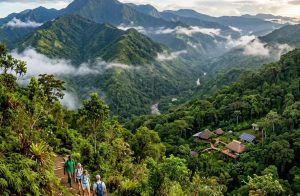
Eco Tourism Jamaica: Experience Nature and Heritage Sustainably
Discover the beauty of Jamaica through eco tourism, where lush landscapes meet rich heritage. Explore sustainable practices …
Eco-Tourism is a nature-based ecological travel methodology that combines scientific environmental education, non-invasive habitat exploration, and direct conservation funding to sustain protected wilderness reserves and empower local field naturalists without disrupting wild fauna.
Comprehensive analysis and field-tested strategies examining bali diving and sustainable travel: explore paradise responsibly within sustainable frameworks.
Comprehensive analysis and field-tested strategies examining practices of fair trade in tourism: promoting ethical travel choices within sustainable frameworks.
Comprehensive analysis and field-tested strategies examining responsible tourism in kerala: preserving culture and nature within sustainable frameworks.
Ecotourism, as defined by The International Ecotourism Society (TIES), is responsible travel to natural areas that conserves the environment, sustains the well-being of the local people, and involves interpretation and education. Unlike conventional mass tourism, authentic ecotourism operates with strict carrying capacities, small group sizes, and certified interpretive guides. It channels financial resources directly into national park ranger departments, endangered species breeding programs, and habitat restoration, turning pristine biodiversity into a living economic asset.
| Eco-Tourism Principle | Practical Field Execution | Conservation Outcome |
|---|---|---|
| Non-Invasive Observation | Silent electric safari vehicles, canopy walkways, and blind observation hides | Zero stress-induced behavioral changes or habitat displacement in wildlife |
| Educational Interpretation | Field-guided biology walks by accredited local naturalists | Deep visitor ecological literacy and long-term donor engagement |
| Direct Revenue Allocation | Park conservation fees and concession percentages earmarked for anti-poaching | Guaranteed operational budgets for wilderness rangers and biologists |
| Zero Environmental Trace | Composting toilets, solar energy grids, and non-toxic bio-degradable sanitation | Zero contamination of fragile watersheds and sensitive sub-soils |
Ecotourism is responsible travel to natural areas that conserves the environment, sustains the well-being of local residents, and incorporates educational interpretation of the local ecology.
Ecotourism generates entrance fees and concession levies that pay for armed park rangers, habitat monitoring, GPS telemetry, and community alternatives to poaching.
Key items include biodegradable toiletries, mineral reef-safe sunscreen, a durable reusable water bottle with filtration, binoculars for non-invasive viewing, and earth-toned clothing.