
As the breathtaking Dolomites face mounting pressures from tourism and progress, embracing eco-pleasant adventures is more critically important than ever. Sustainable exploration not only protects this UNESCO World Heritage site but also enriches visitor experiences. Discover how green travel practices can transform your alpine journey into a meaningful, responsible adventure while preserving the region’s natural beauty for future generations.
Embracing Nature: The allure of Eco-Tourism in the Dolomites
Nature’s Bounty and Sustainable Exploration
The Dolomites, a UNESCO World Heritage site, stand as a pristine example of nature’s grandeur, drawing adventurers and nature lovers alike. With towering peaks, lush valleys, and clear blue skies, they beckon travelers to embrace eco-tourism, where the thrill of exploration meets the ethos of sustainability. Engaging in eco-friendly practices not only preserves this unique surroundings but also enriches the experience of those who venture into its breathtaking landscapes.
By participating in eco-tourism activities, visitors can delve deep into the heart of the Dolomites while minimizing their ecological footprint. As a notable example, hiking and biking are excellent ways to explore the extensive network of trails that wind through this stunning region. Here are some engaging options to consider:
- Guided Eco-Tours: Join local guides who share their knowledge of the region’s biodiversity and cultural heritage while ensuring that tourism is conducted responsibly.
- Car-Free adventures: Embrace the tranquility of the Dolomites by utilizing public transport and e-mountain bikes available for rent at local lodges, such as those at Moseralm. This approach not only reduces emissions but also enriches the journey with more time spent in nature.
- Wildlife Watching: Witness the diverse fauna in their natural habitats. Eco-tours frequently enough include opportunities to spot native species while maintaining a respectful distance to avoid disturbing them.
Conservation and Community engagement
Participating in Dolomites eco-Tourism is more than just enjoying nature; it’s also about giving back to the local community. Manny eco-tourism operators prioritize sustainable practices, directly benefiting the environment and the local economy. Visitors can choose tours that are committed to conservation efforts, such as reforestation projects or wildlife protection initiatives. these activities not only enhance the natural beauty of the Dolomites but also support the local communities that depend on a healthy ecosystem for their livelihoods.
Engaging with eco-friendly accommodations enriches the experience even further. Places like hotels in South Tyrol offer free guest passes for public transport, encouraging car-free travel, which substantially reduces carbon emissions in this delicate environment [3[3].
embracing the allure of eco-tourism in the Dolomites is not just about witnessing breathtaking views; it’s about fostering a deeper connection with the landscape while committing to practices that protect it for future generations. Whether you hike among the towering cliffs or cycle through the verdant valleys, every step in this remarkable region contributes to a greener planet.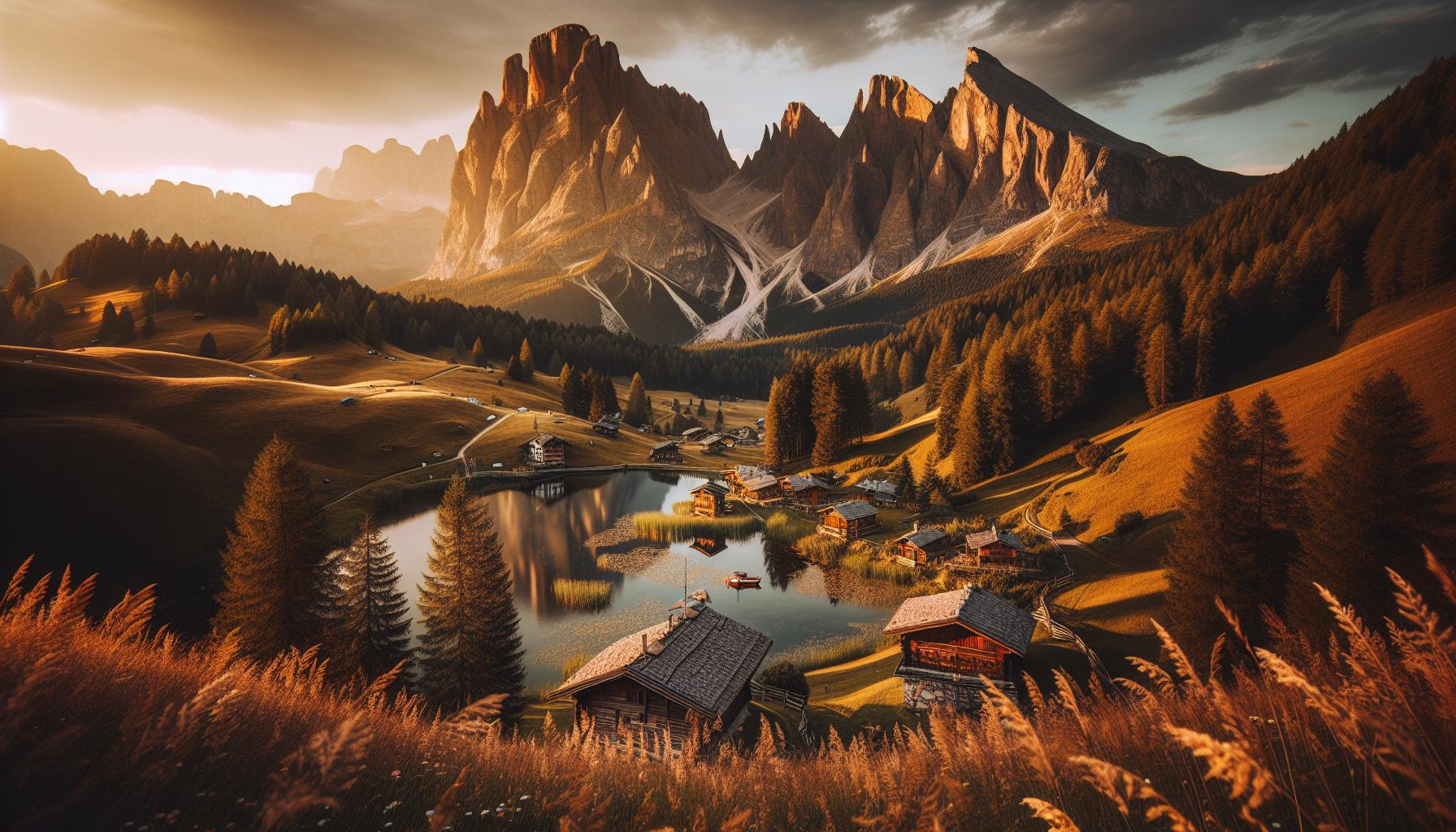
Sustainable Adventures: Activities That Leave No Trace
Embrace Eco-Friendly Adventures in the Dolomites
Exploring the Dolomites offers an immersive experience in one of nature’s most stunning landscapes. With its striking peaks and vibrant ecosystems, the region encourages visitors to partake in activities that honor the environment while promoting sustainable tourism practices. Whether you’re hiking,biking,or simply enjoying the breathtaking scenery,there are numerous ways to engage with this majestic area without leaving a negative footprint.
- Hiking and Walking Tours: The Dolomites are crisscrossed with marked trails catering to all levels of hikers. Choosing guided eco-tours that emphasize the importance of ‘Leave No Trace’ principles helps protect the delicate ecosystems. Consider joining local guides dedicated to preserving the environment while showcasing the region’s unique flora and fauna.
- Mountain Biking: There are many designated trails specifically maintained for mountain biking, ensuring minimal impact on the surrounding wildlife and plant life. Opt for bike rentals from local, eco-conscious shops that promote sustainable practices.
- Wildlife Watching: Engage in responsible wildlife observation, using binoculars and photography to appreciate the diverse animal species without disturbing their habitats. Look for tours led by experts in local ecology who can provide insights into fragile ecosystems.
- Eco-Conscious Skiing: For winter sports enthusiasts, select ski resorts that implement green initiatives, such as renewable energy sources and sustainable waste management practices. these resorts often offer guided skiing tours that follow environmentally friendly guidelines.
Practical Tips for Sustainable Travel
Implementing sustainable practices during your visit is paramount to preserving the beauty of the Dolomites for future generations.Here are several actionable steps to enhance your eco-tourism experience:
| Tip | Description |
|---|---|
| Use Public Transport | Minimize your carbon footprint by utilizing public transport options available in the region. |
| Pack Out What You Pack In | Always carry a trash bag with you to dispose of waste properly. |
| Support Local Businesses | Choose to eat at local restaurants and shop at local markets to reduce transportation emissions. |
| Choose Eco-friendly Accommodations | Stay in eco-certified hotels or lodges that prioritize sustainability in their operations. |
by integrating these eco-friendly practices into your adventures, you contribute positively to the environment while enjoying all that the Dolomites have to offer. This commitment to sustainable adventures ensures that the beauty of the Dolomites is preserved for future explorers,embodying the essence of Dolomites eco-tourism: Alpine adventures with a green twist.
Local Cultures and Eco-Conscious Hospitality
Embracing Local culture through Eco-Conscious hospitality
The Dolomites are a testament to the harmonious coexistence of breathtaking nature and rich local traditions. Visitors to this stunning region are not just tourists; they are participants in a vibrant tapestry of culture that thrives alongside initiatives promoting eco-conscious hospitality. This connection with nature and heritage is evident in the sustainable practices embraced by local businesses,revealing how eco-tourism can enhance authentic cultural experiences.
Accommodations like the Alpin panorama Hotel Hubertus exemplify this ethos, blending luxury with sustainability. As an architectural masterpiece nestled within the mountains,the hotel showcases innovative designs that harmonize with the natural environment,including features such as the Hubertus Sky Pool,which offers unparalleled views while maintaining an eco-friendly footprint [[2](https://www.impacthotels.co/post/hotel-hubertus-sustainable-luxury)]. Visitors are encouraged to engage with the surrounding culture through local cuisine, guided nature walks, and workshops led by indigenous artisans, all promoting a deeper understanding of the land and its traditions.
To truly immerse oneself in local culture while supporting eco-conscious initiatives, consider these impactful practices:
- Choose Sustainable Accommodations: Stay at eco-friendly hotels that prioritize local materials and resources.
- Participate in cultural Activities: Engage with local artists or join community-led tours that shed light on the region’s unique heritage.
- Support Local Businesses: Dine at restaurants that serve local, organic produce, ensuring your food choices benefit the community.
- Opt for Eco-Tours: Explore the Dolomites through guided hikes or cycling tours that minimize environmental impact while maximizing cultural exchange.
By choosing eco-tourism in the Dolomites, travelers contribute not only to the preservation of the environment but also to the vitality of local cultures. These alpine adventures offer an chance to forge meaningful connections with both nature and the people who call this breathtaking landscape home, making every visit an enriching experience that transcends mere sightseeing.
Exploring Biodiversity: The Flora and Fauna of the Dolomites
The Natural Tapestry of the dolomites
The Dolomites are not just renowned for their breathtaking landscapes; they are also a vibrant sanctuary for a striking diversity of flora and fauna. This UNESCO World Heritage site offers a rich tapestry of plant life, largely due to its unique climatic conditions and geological composition. The alpine meadows burst forth with colorful wildflowers, while the rocky cliffs serve as the backdrop for a variety of hardy species perfectly adapted to thrive in the mountain’s challenging environment.
- Alpine Flora: The Dolomites are home to numerous alpine plants, including the resilient edelweiss and vibrant gentians. These species are well adapted to survive in harsh conditions and their blooms signal the changing seasons in the mountains.
- Unique Habitats: the diverse environments—from lush valleys to rocky peaks—support different ecosystems. This variation allows for a remarkable biodiversity that attracts nature lovers and eco-tourists alike.
wildlife in the Mountains
The animal life of the Dolomites is equally captivating. Visitors might spot majestic species such as red deer, chamois, and ibex while wandering through the stunning landscapes. These animals are an integral part of the Dolomites’ ecosystem and are often seen grazing in the higher altitudes. Their presence adds to the enchanting experience of exploring this mountain range.
Wildlife spotting Tips:
- Visit during early morning or late evening when animals are most active.
- Move quietly and maintain a respectful distance to increase your chances of sightings.
| Animal | Description |
|---|---|
| Red Deer | Large mammals known for their impressive antlers, frequently enough seen in dense forests. |
| Ibex | A skilled climber of high-altitude terrains, recognized for their curved horns. |
| Chamois | Grazers of rocky slopes, agile and well-adapted to steep terrains. |
Exploring the Dolomites provides a unique opportunity to connect with nature and understand the delicate balance of its ecosystems. Eco-tourism here emphasizes preserving these natural treasures, ensuring that future generations can also experience the unrivaled biodiversity. Engage in responsible hiking practices, and choose eco-friendly lodging options to make your visit a sustainable adventure in the heart of the Dolomites.
Green Travel Tips: Navigating the Dolomites Responsibly
embrace Eco-Conscious Travel in the Dolomites
Did you know that the Dolomites are not only a UNESCO World Heritage site but also a leader in promoting sustainable travel practices? As you explore this stunning mountain range, making informed, eco-friendly choices can significantly enhance your experience while preserving the gorgeous environment. Here are some tips to navigate the Dolomites responsibly, ensuring your adventure aligns with eco-tourism principles.
- Choose Eco-Friendly Accommodation: Opt for hotels and lodges that prioritize sustainability. Look for accommodations that have earned eco-certifications and use renewable energy sources, such as Hotel Rosa Eco alpine Spa Resort and Chalet del Sogno, which offer stunning views and green amenities [[2]].
- Utilize Soft Mobility: The Dolomites are designed for easy exploration without a car. Take advantage of public transport options like buses and trains, or rent bicycles to navigate the area.This not only reduces your carbon footprint but also allows you to experience the rich scenery up close [[3]].
- Engage in Low-Impact Activities: Walk, hike, or bike through the numerous trails, ensuring that you stick to marked paths to protect local flora. Consider participating in ecotourism activities such as guided nature walks, which educate visitors about local ecosystems and conservation efforts.
- Support Local Communities: When dining or shopping, choose local businesses that practice sustainable methods. This not only helps the economy but also fosters cultural exchange and preserves the region’s traditions.
Protecting the Environment as a Visitor
It’s essential to leave no trace while enjoying the breathtaking landscapes of the Dolomites. here are some additional steps to consider:
| Action | Description |
|---|---|
| Waste Management | Carry reusable bags and containers to minimize single-use plastics. Sort waste into recycling and compost bins available throughout the parks. |
| Wildlife Respect | Observe wildlife from a distance and never feed animals,as human food can harm their health and alter their natural behaviors. |
| Water Conservation | Conserve water by taking shorter showers and reusing towels in hotels. Utilizing refillable water bottles helps reduce plastic waste. |
Adopting these sustainable practices during your visit to the Dolomites ensures that this spectacular region remains pristine for future travelers while allowing you to enjoy a rich,rewarding travel experience aligned with the principles of eco-tourism.
Eco-Friendly Accommodations: Where comfort Meets Sustainability
as travelers increasingly seek out sustainable experiences, the Dolomites stand out as a prime destination for eco-friendly accommodations. Many lodgings in this stunning mountain range have embraced a commitment to reducing their environmental footprint without compromising on comfort or quality. These establishments prove that eco-tourism in the Dolomites can harmoniously blend adventure and sustainability.
Eco-Friendly Choices for a Sustainable Stay
When you choose eco-friendly accommodations in the Dolomites, you not only enjoy the breathtaking landscapes but also support practices that protect the local environment. From energy-efficient buildings to locally sourced food, these initiatives are redefining luxury in travel. Here are some key features to look for:
- Renewable Energy Sources: Many eco-hotels utilize solar panels and wind energy to power their facilities.
- Green Certifications: Look for lodgings that have been recognized for their sustainability efforts, ensuring environmentally friendly practices.
- Organic and Locally Sourced Food: Enjoy meals prepared with ingredients sourced from local farms, reducing transport emissions.
- Waste Reduction Strategies: Responsible hotels frequently implement recycling and composting programs to minimize waste.
Notable Eco-Friendly Accommodations
For those planning a trip that focuses on eco-tourism in the Dolomites, consider these highly regarded options:
| Accommodation Name | Location | Special Features |
|---|---|---|
| Hotel Lago di Braies | Braies | Uses 90% renewable energy; on-site organic garden |
| Biohotel Hermitage | Pinzolo | Certified organic restaurant; wellness programs utilizing local herbs |
| Ecohotel Bicesse | San Martino di Castrozza | Green building design; supports local artisans and farmers |
Choosing eco-friendly accommodations not only enhances your travel experience in the Dolomites but also fosters a deeper connection to nature.As you embark on your alpine adventures, you’ll find that sustainability can indeed meet luxury, paving the way for a more responsible and enriching approach to tourism. experience the natural beauty of this region while championing practices that respect the environment, making your stay both memorable and meaningful.
The Role of Local Communities in Eco-Tourism
Empowerment Through Engagement
In the realm of eco-tourism, local communities serve as the backbone of sustainable travel practices. in the Dolomites, as a notable example, residents not only preserve their rich cultural heritage but also foster a deep connection to their stunning natural surroundings.This mutual reinforcement of culture and environment is pivotal; by participating in eco-tourism, communities cultivate a sense of stewardship over their landscapes, promoting conservation efforts while also reaping economic benefits.
- Economic Opportunities: Eco-tourism provides local families with new income avenues, reducing reliance on traditional, often unsustainable practices such as logging or mining.
- Cultural Preservation: By showcasing unique traditions and crafts, communities ensure their cultural identities remain vibrant and relevant in a rapidly globalizing world.
- Environmental Stewardship: Engaged locals often become advocates for their natural environments, leading educational initiatives and conservation projects that underscore the value of biodiversity.
Collaborative Initiatives and Sustainability
The synergy between eco-tourism and local residents is instrumental in developing initiatives that benefit both travelers and local ecosystems. For example, guided nature walks led by community members not only enhance visitor experiences but also allow locals to impart knowledge about traditional land management practices. Such collaborations foster a deeper understanding among tourists about the ecological significance of the Dolomites, promoting responsible travel and awareness.
Measurable Impacts of Community Involvement
Below is a simple table illustrating the key areas where local communities contribute significantly to eco-tourism in the Dolomites, alongside the benefits that emerge from these contributions:
| Contribution by Local Communities | Benefits Realized |
|---|---|
| Guided Tours | Enhanced visitor engagement and education |
| Local Craftsmanship | Preservation of cultural heritage; additional income sources |
| Conservation Projects | increased biodiversity; sustainable ecosystem management |
| Sustainable Agriculture | Healthier food systems; lower carbon footprints |
Community involvement in eco-tourism transforms the Dolomites into more than just a travel destination; it turns the region into an eco-conscious collective where both locals and visitors thrive. By fostering collaboration,education,and a shared respect for nature,eco-tourism becomes a catalyst for positive change,ensuring that the wonders of the Dolomites can be enjoyed for generations to come.
Engaging with Outdoor Activities: Hiking, Climbing, and Beyond
Discover the Grate Outdoors
The Dolomites offer an unparalleled playground for outdoor enthusiasts, blending stunning landscapes with an array of eco-friendly activities.From the lush valleys to towering peaks,the region promotes a deep connection with nature,making it an ideal destination for hiking,climbing,and various eco-tourism adventures. Imagine traversing trails that not only challenge your physical abilities but also immerse you in the breathtaking beauty of this UNESCO World Heritage site.
Hiking Trails for every adventurer
Hiking in the dolomites ranges from leisurely nature walks to exhilarating mountain treks. Here are highlights of some popular trails:
- Three Peaks of Lavaredo: A classic hike offering iconic views and rugged terrain.
- Seceda plateau: A more relaxed hike with sweeping vistas, accessible for families.
- Alta Via 1: A multi-day trek that provides a deeper experience of the Dolomites’ diverse ecosystems.
These trails are well-marked and maintained, ensuring safety while promoting responsible hiking practices. Engaging with the environment in this way not only enhances your physical fitness but also supports local conservation efforts through eco-tourism initiatives.
The Thrill of Climbing
For those seeking a higher adrenaline rush, climbing in the Dolomites presents some of the most spectacular routes known to climbers worldwide.The sheer cliffs and unique rock formations offer challenges suited for both beginners and seasoned climbers. Notable climbing spots include:
- Via Ferrata: A popular climbing style utilizing fixed cables, making routes accessible while ensuring safety.
- Tofana di Rozes: Renowned for its dramatic ascents and panoramic views.
Climbing schools and guides are available throughout the region, providing training and equipment for those new to the sport while promoting environmental awareness through sustainable climbing practices.
Participating in Local Eco-Tours
Engaging with local eco-tours is a fantastic way to enhance your outdoor experience in the Dolomites. These tours often combine adventure with education,allowing you to explore the region’s rich biodiversity and cultural heritage. Options include:
- Biodiversity Walks: Learn about local flora and fauna from expert guides.
- Wildlife Tracking: Experience the thrill of observing wildlife in their natural habitats.
Many tours incorporate sustainable practices,such as minimizing environmental impact and supporting local economies,making them ideal for eco-conscious travelers looking to enjoy adventures with a green twist.
Exploring the Dolomites through hiking, climbing, and eco-tours not only provides thrilling experiences but also fosters a greater gratitude for this majestic landscape, encouraging visitors to become stewards of the environment while enjoying the rich offerings of Dolomites eco-tourism.
The Impact of Eco-Tourism: Balancing Adventure with Conservation
The Benefits of Eco-Tourism in the Dolomites
Embarking on eco-tourism adventures in the Dolomites offers more than just breathtaking views; it supports the delicate balance between tourism and conservation. Visitors to this UNESCO World Heritage site engage in activities that foster an appreciation for nature while directly contributing to the preservation of its unique ecosystems. From alpine hiking to guided nature walks, each excursion is designed to educate travelers on the local flora and fauna, ensuring that their impact is minimal while their experiences are profound.
- Conservation efforts: Many eco-tourism companies in the dolomites are engaged in initiatives aimed at conserving the region’s natural beauty. This includes maintaining trails, protecting wildlife habitats, and promoting biodiversity.
- Community Support: Eco-tourism provides a vital source of revenue for local communities,helping to sustain traditional practices and livelihoods that might otherwise be lost to urbanization.
- Environmentally Friendly Practices: Tour operators frequently enough employ sustainable practices, such as using eco-friendly transportation, reducing waste, and sourcing local food, which minimizes the carbon footprint of their activities.
Creating Awareness Through Adventure
Adventure in the dolomites is not solely about thrilling experiences; it includes an educational component that raises awareness about environmental issues. Tourists engaging in eco-tourism learn about the challenges faced by the alpine environment, such as climate change and habitat loss. This experiential learning deepens their connection to the landscape and motivates them to advocate for its stewardship, both during their visit and long after they return home.
Furthermore, local guides play a crucial role by sharing traditional knowledge and ecological insights, ensuring that the rich cultural heritage of the Dolomites is woven into the fabric of eco-tourism. This blend of culture and environmental consciousness not only enriches the travel experience but also cultivates environmentally responsible behaviors among travelers.
Real-World Examples of Sustainable Practices
Many eco-tourism operators in the Dolomites exemplify sustainable practices that can inspire other regions. As an example, some organizations facilitate tree planting initiatives where tourists can participate, thus directly supporting reforestation efforts. Others offer packages that include transportation by electric vehicles or bicycles, significantly reducing the carbon emissions associated with typical tourism activities.
| Eco-Tourism Activity | Description | Impact |
|---|---|---|
| Guided Nature Hikes | Educational hikes led by local experts focusing on biodiversity. | Increases awareness and appreciation of local ecosystems. |
| Volunteering Programs | Opportunities to help with conservation projects. | Direct positive impact on the environment and local communities. |
| Wildlife Watching Tours | Low-impact tours designed to observe local wildlife responsibly. | Promotes wildlife conservation and educates tourists. |
Through these sustainable practices, eco-tourism in the Dolomites not only provides adventure but also serves as a vehicle for conservation, thereby ensuring that the majestic landscapes can be appreciated by future generations.
The way Forward
As we conclude our exploration of eco-tourism in the breathtaking Dolomites, we invite you to embrace the rich offerings of this stunning Alpine region, where sustainability and adventure harmoniously coexist. From staying in eco-friendly accommodations that prioritize environmental stewardship, like the Rosa Eco Alpine Spa Resort and Chalet Del Sogno, to engaging in outdoor activities that emphasize nature’s preservation, the Dolomites provide numerous opportunities for responsible travel.
Moreover, participating in guided eco tours allows visitors to connect deeply with the landscape and local culture while minimizing their ecological footprint. As you plan your journey, consider the balance of adventure and sustainability—whether it’s skiing through serene landscapes, hiking the scenic trails, or enjoying the local gastronomy that champions fresh, local ingredients.
We encourage you to explore more about sustainable travel practices in the Dolomites, connect with local tour providers, and discover how your choices can make a positive impact. Embrace the spirit of adventure and conscientious travel by diving deeper into what the Dolomites have to offer and become a part of the growing community of eco-conscious travelers. your next adventure awaits!
Get our latest guides, news, and insights highlighted in your Google Search & AI Overviews.


