
As travelers seek memorable experiences without compromising the planet’s health, the intersection of luxury and enduring tourism emerges as a vital solution. High-end eco accommodations not only cater to the desires of discerning guests but also champion environmental stewardship and community integrity,making eco-luxury a relevant and appealing choice for today’s conscientious traveler.
understanding Eco Luxury: What Sets it Apart in the Travel Industry
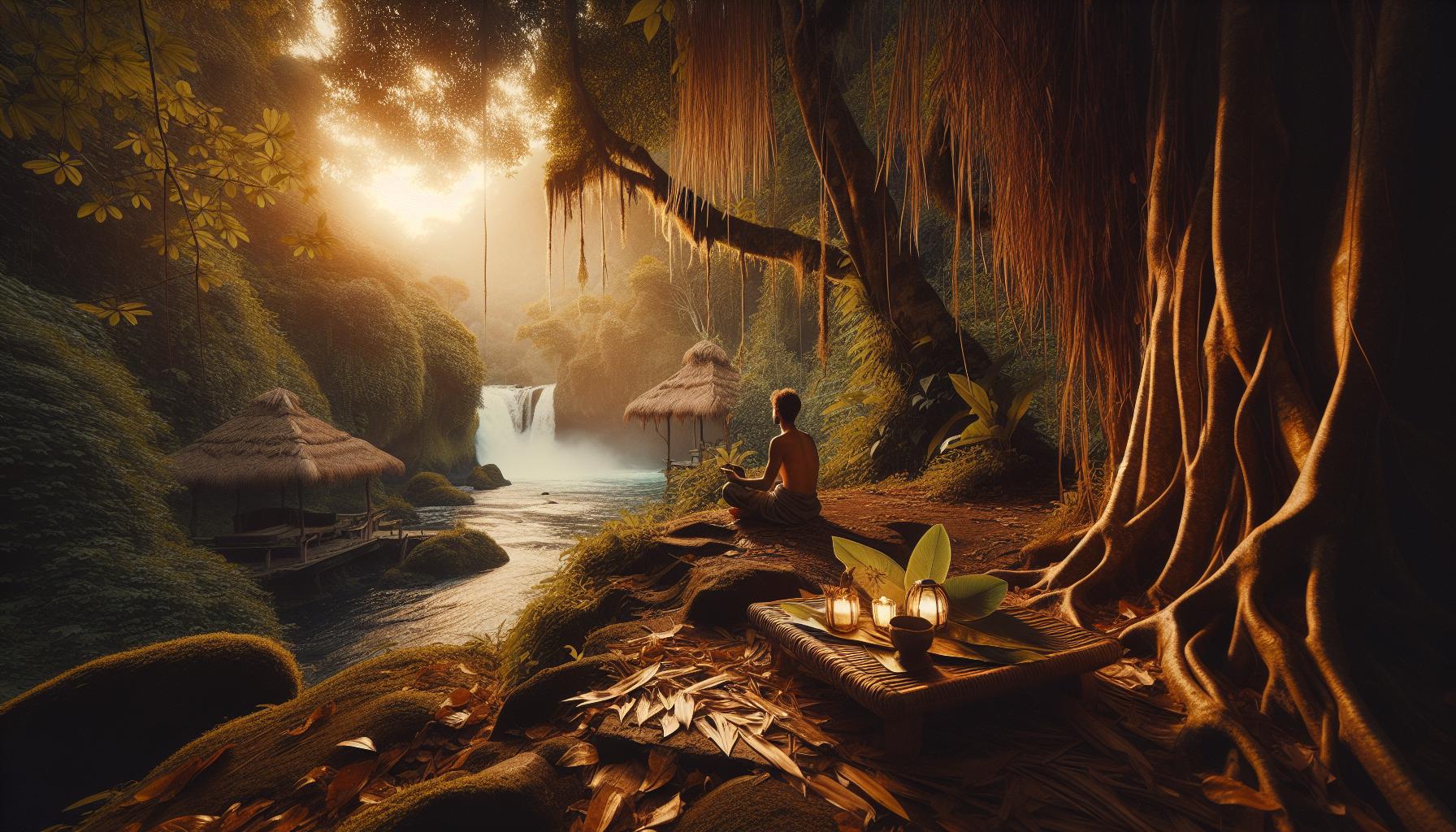
A New Paradigm in Travel
As travelers increasingly seek unique experiences that align with their values, the concept of eco luxury has emerged as a compelling option. It marries the opulence of luxury tourism with a robust commitment to environmental stewardship, appealing to high-end travelers who prioritize sustainability without sacrificing comfort. This dual focus not only enhances the travel experiance but also fosters a deeper connection to the destinations visited.
Key Features of Eco Luxury Travel
Luxury eco tourism is characterized by several distinct elements that set it apart from traditional luxury travel options. These include:
- Sustainable Accommodations: High-end lodges and hotels are being designed with eco-friendly materials, minimizing energy usage, and integrating into the natural environment. Examples include resorts that use renewable energy sources or those that reduce water consumption through advanced technologies.
- Experiential Offerings: Eco luxury often emphasizes unique, immersive experiences that allow travelers to engage with local cultures and ecosystems. This includes guided nature walks led by local experts or participatory activities like wildlife conservation efforts.
- Personalized Services: To cater to discerning clients, eco luxury providers offer tailored services, ensuring that each experience is unique. This could mean custom itineraries that focus on sustainable practices or incorporating wellness programs rooted in local traditions.
- community Support: many luxury eco tourism companies engage with local communities to provide economic support. This not only enhances the authenticity of the travel experience but also helps to preserve cultural heritage and support local economies.
The Impact of Eco Luxury on the Travel Industry
The rise of eco luxury is reshaping the travel industry landscape by setting new standards for sustainability and consumer expectations. Luxury brands are increasingly adopting eco-friendly practices, championing conservation, and showcasing their commitment to reducing carbon footprints. This transformative approach highlights the importance of responsible travel, prompting other sectors of the industry to follow suit.
the blend of luxury and sustainability continues to gain traction, driving innovation and creating meaningful experiences for travelers. By choosing eco luxury options, tourists not only indulge in high-end amenities but also contribute to preserving the beauty and integrity of the natural world, ensuring that future generations can enjoy these destinations.
The trends driving Eco-Conscious Luxury travel
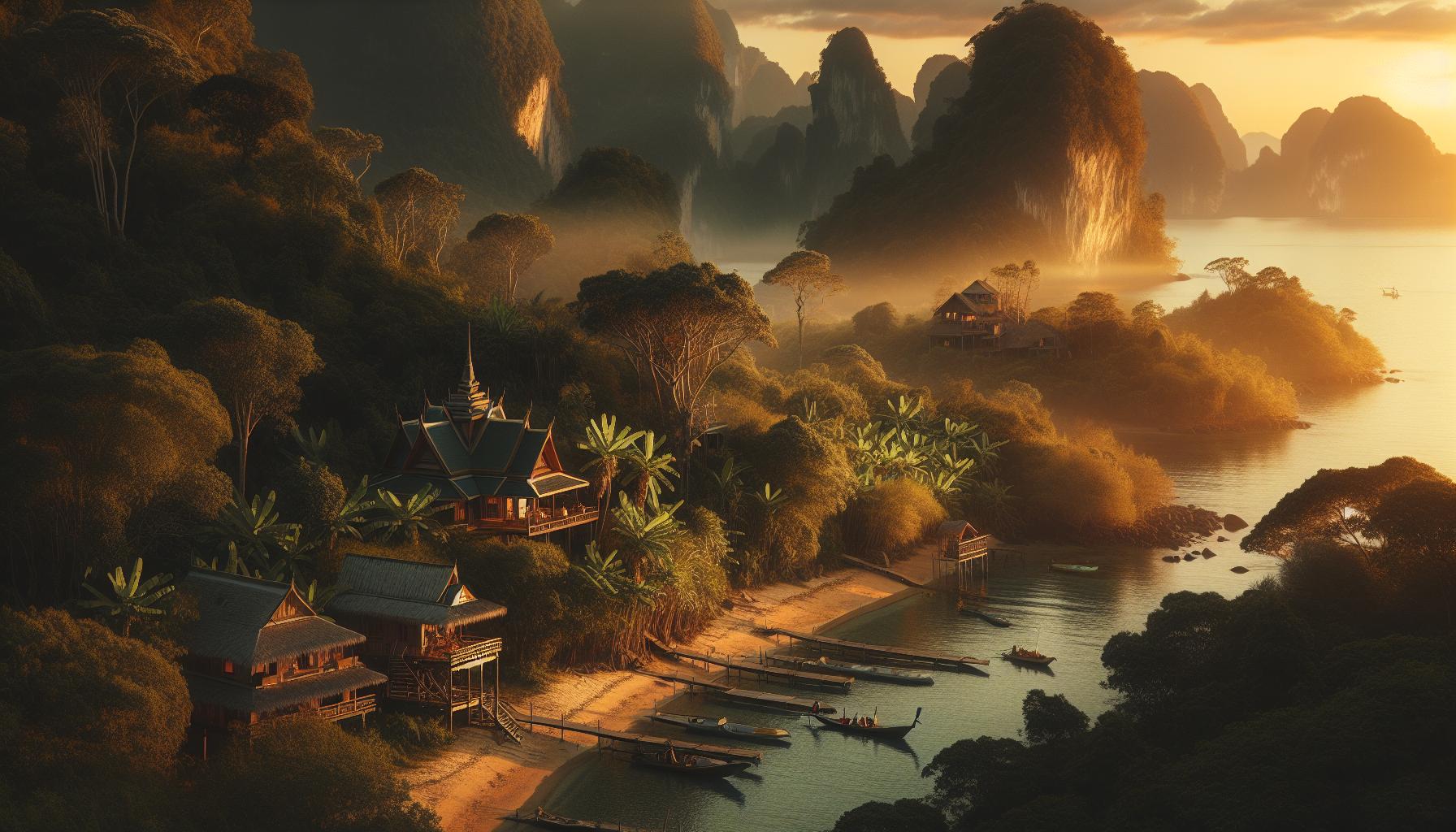
The Shift Towards Eco-Conscious Luxury Travel
As the discerning traveler increasingly prioritizes sustainability, luxury tourism is undergoing a transformative shift. The percentage of travelers considering eco-friendly options has surged significantly,revealing a growing awareness of environmental impact. This change is not merely a trend; it reflects a broader cultural movement where travelers desire experiences that not only offer high-end amenities but also foster a deeper connection with nature.
- Experiential Travel: today’s luxury tourists seek immersive experiences that resonate on a personal level. Eco-luxury travel offers activities like guided wildlife safaris, conservation volunteer opportunities, and cultural exchanges that support local communities. These options elevate traditional travel, allowing guests to engage with the environment and give back.
- Exclusive Accommodations: High-end resorts are reinventing themselves with sustainable practices. Properties that integrate local ecological principles and utilize renewable resources are gaining favor. As an example, some hotels now feature solar panels, organic gardens, and locally sourced construction materials, ensuring luxury does not come at the expense of the planet.
- Food Sustainability: The farm-to-table movement has reached luxury dining, where chefs emphasize locally sourced ingredients, organic farming practices, and seasonal menus. Travelers are not just looking for indulgence; they are also mindful of the food’s origins and its impact on the environment.
Emerging Trends in Eco-Luxury Experiences
As eco-consciousness becomes a central theme in high-end travel, several trends are influencing the market. First, a meaningful focus is on minimizing carbon footprints. Luxury travel brands are increasingly investing in carbon offset programs to enhance their sustainability credentials. Moreover, a rising demand for luxury yacht charters equipped with eco-friendly technologies illustrates a shift towards responsible luxury on the water.
Another trend is the incorporation of wellness into eco-luxury tourism. Spas and retreats are now prioritizing natural ingredients and eco-friendly products, combining relaxation with a commitment to sustainability. These destinations often offer programs that educate guests on local ecology and wellness practices that nurture both body and environment.
| Trend | Description |
|---|---|
| Experiential Travel | Engaging with nature through unique activities. |
| exclusive Accommodations | Hotels adopting sustainable and eco-friendly practices. |
| Food sustainability | Emphasis on locally sourced, organic dining options. |
| Carbon Offsetting | Investments in programs to counterbalance carbon footprints. |
| Wellness Integration | Focus on natural ingredients in wellness programs. |
The intersection of luxury and sustainability is evolving into a powerful movement, reflecting a shift in consumer values towards environmentally conscious decisions. as this trend continues to grow, the notion of ‘Luxury Meets sustainability’ will define the future of high-end eco-tourism, fostering an environment where both travelers and the planet can thrive.
Curating Sustainable Experiences: How Luxury Resorts Are Making an Impact
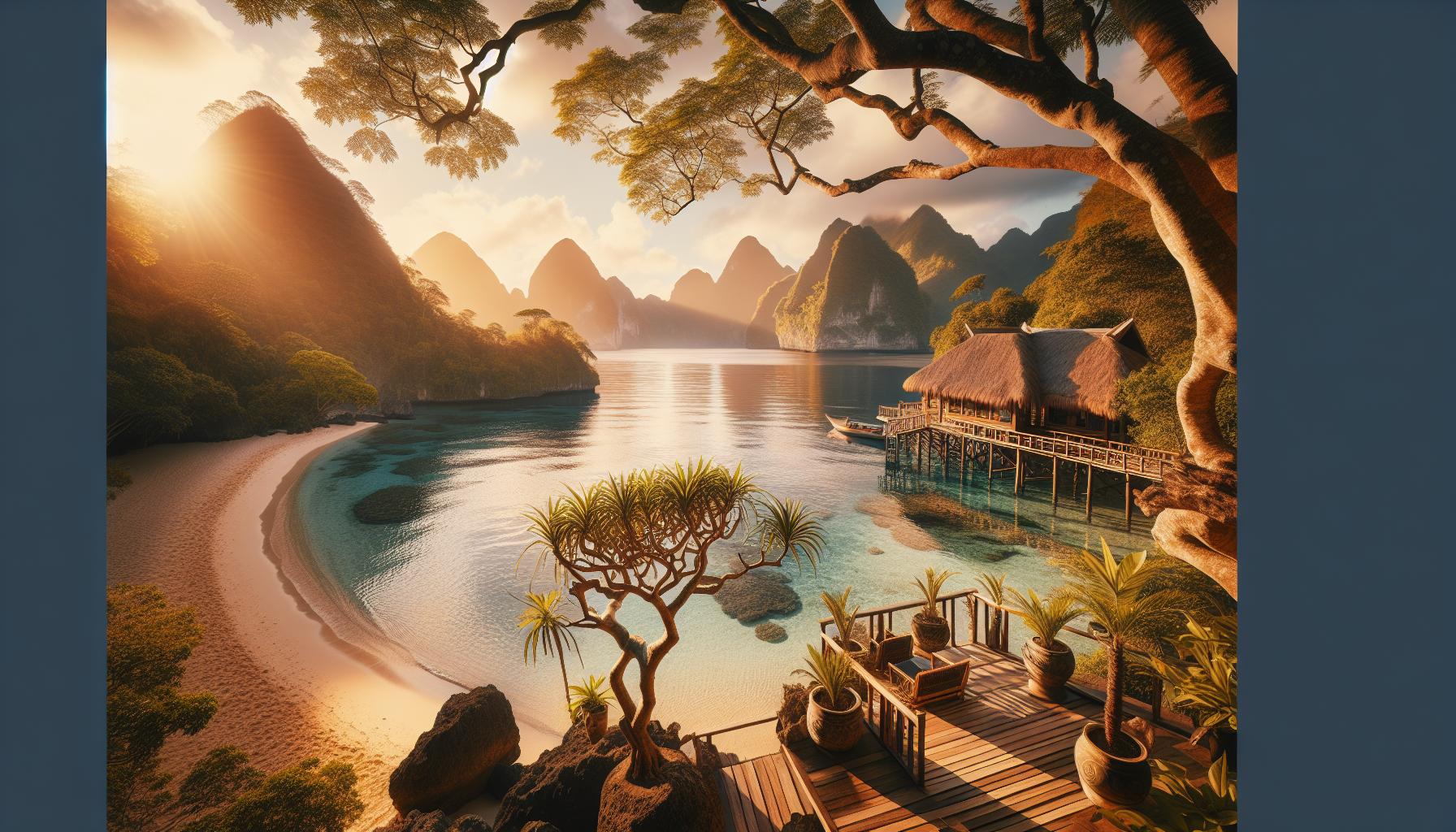
Transforming Travel: The Luxury Resort Revolution
Recent studies indicate a significant shift in consumer behaviour, revealing that travelers are increasingly gravitating towards eco-friendly options, particularly in the luxury sector. High-end resorts are stepping up to meet this demand by integrating sustainable practices into their operations, wich not only preserve the environment but also enhance the quality of guest experiences. This evolution in luxury tourism not only contributes to conservation efforts but also allows guests to indulge in authentic experiences that resonate with their values.
Key Sustainable Practices in Luxury Resorts
Luxury resorts are proud of their commitment to sustainability,employing various strategies that minimize their ecological footprint.Notable practices include:
- Local Sourcing: Resorts prioritize sourcing food and materials from local suppliers, reducing carbon emissions associated with transportation while supporting local economies.
- Energy Efficiency: Many properties invest in renewable energy sources, such as solar and wind, alongside advanced technologies to enhance energy efficiency, like smart lighting systems.
- Water Conservation: By implementing rainwater harvesting systems and water-efficient fixtures, resorts significantly reduce water usage without compromising guest comfort.
- Wildlife Conservation: Several luxury resorts engage in wildlife protection initiatives, offering guests opportunities to learn about and support local conservation efforts.
Real-World Examples of Sustainable Luxury
luxury resorts such as The Peninsula Hotels champion sustainable luxury by emphasizing craftsmanship and service that are both timeless and mindful of their impact on the planet [[1]]. Meanwhile,brands like Burberry and Gucci have successfully integrated eco-conscious practices into their operations,setting precedents within the luxury market [[3]]. These resorts not only enhance their brand reputation but also create experiences that allow guests to engage directly with sustainability, fostering a deeper connection to the environment.
Guest Involvement in Eco-friendly Initiatives
one of the defining aspects of high-end eco tourism is that luxury resorts invite guests to participate in sustainability efforts. this interaction can take various forms,including:
- Education Programs: Workshops and guided tours educate guests on local ecosystems and conservation techniques,enriching their stay with meaningful insights.
- Volunteer Opportunities: Many resorts offer guests the chance to get involved in local community service projects, from beach clean-ups to environmental restoration.
- Culinary Experiences: Cooking classes featuring local, sustainable ingredients not only support local farmers but also allow guests to create memorable culinary experiences.
as luxury meets sustainability, high-end eco tourism is set to redefine travel expectations, offering environmentally-conscious choices that benefit both the traveler and the planet. With resorts committed to meaningful practices, guests can enjoy opulence while contributing to a brighter, sustainable future.
the Importance of Ethical Partnerships in High-End eco Tourism
The Role of Partnerships in Eco-Conscious Luxury Travel
In today’s travel landscape, where conscious consumerism is on the rise, the importance of partnerships in high-end eco-tourism cannot be overstated. Luxury travelers increasingly seek experiences that not only indulge their tastes but also align with their values regarding sustainability and social responsibility. Responsible luxury travel requires collaboration between stakeholders including local communities, conservationists, and ethical tour operators to ensure that tourism contributes positively to the environment and society. For instance,placing an emphasis on community-based eco-tourism projects allows travelers to connect with local cultures while supporting economic benefits directly in those communities.
Building Trust Through Ethical Collaborations
To cultivate genuine and impactful eco-tours, luxury travel companies must prioritize partnerships with reputable organizations focused on environmental conservation and community growth. engaging with local experts and conservationists ensures that tours minimize their ecological footprint, uphold the integrity of the environment, and foster respect for local customs. Here are key strategies that exemplify effective ethical partnerships in high-end eco-tourism:
- work with local artisans and businesses to promote indigenous crafts and cultural heritage.
- Collaborate with recognized environmental organizations for sustainable practices, like waste reduction and conservation efforts.
- Invest in community projects that enhance local infrastructure, education, and healthcare.
real-World Examples of Prosperous Partnerships
Many luxury eco-tourism destinations showcase the benefits of ethical partnerships. High-end lodges in Costa Rica, such as, often partner with local conservation groups, ensuring that a percentage of profits directly supports wildlife preservation efforts. Such collaborations not only enhance the travel experience through guided nature tours led by informed locals but also create sustainable practices that benefit both travelers and the environment. Furthermore, by prioritizing ethical tour operators who pledge transparency and adherence to fair trade practices, travelers can have peace of mind knowing their choices are positively impacting the communities they visit.
| Partnership Focus | Example | Impact |
|---|---|---|
| Conservation Initiatives | Local NGOs in Madagascar | Supports lemur conservation efforts and local livelihoods. |
| Cultural Preservation | Indigenous tourism groups in Canada | Promotes indigenous rights and cultural education through tourism. |
| Sustainable Practices | Eco-lodges in the Galapagos | Facilitates habitat restoration and sustainable visitor management. |
By fostering ethical partnerships, high-end eco-tourism not only enhances the travel experience but also ensures the long-term sustainability of destinations, benefiting both travelers and the environments they cherish.As more travelers seek luxury that aligns with their ethical standards, the rise of high-end eco-tourism continues to be a transformative force in the global travel market.
Traveling Mindfully: Tips for Luxury Travelers to Reduce Their Footprint
With the travel industry increasingly recognizing the importance of sustainability, luxury travelers now have a unique opportunity to indulge their desires without compromising the planet. The shift towards eco-friendly practices means that even the most opulent experiences can align with responsible tourism principles. Here are some actionable tips for travelers seeking to minimize their impact while maintaining a high standard of luxury.
- choose Eco-Friendly Accommodations: Seek out luxury hotels that prioritize sustainability.Look for establishments that employ renewable energy, implement water conservation practices, and utilize local materials and foods. For instance, resorts in the Maldives often feature villas made from sustainably sourced materials and offer farm-to-table dining experiences.
- Opt for Sustainable Transportation: When traveling to your destination, consider eco-conscious transport options. Many luxury travelers now prefer trains over flights for short journeys, reducing carbon emissions while enjoying scenic routes. Alternatively, when flying is unavoidable, check for airlines that are adopting more sustainable practices.
- Support Local Communities: Engage with local businesses and artisans during your travels. Choosing guided tours that emphasize cultural recognition and sustainability not only enhances your experience but also contributes directly to the local economy.For example, invest in crafts from local artisans rather than mass-produced souvenirs.
- Limit Single-Use Plastics: Pack reusable items such as a high-quality water bottle, shopping bag, and travel utensils. Many luxury destinations now provide amenities that reduce waste, allowing you to maintain exclusivity while being environmentally conscious.
Incorporation of Mindfulness in Luxury Travel
Incorporating mindfulness into your luxury travel experiences can significantly enhance your connection to both the environment and local cultures. By choosing eco-luxury options and practicing intentional consumption, you can enjoy the lavishness of travel while supporting the necessary shift towards sustainability. As you explore the beauty of high-end eco tourism, remember that your choices not only define your journey but also impact the global community and ecosystem. The rise of luxury meets sustainability can redefine what it means to travel elegantly without leaving a heavy footprint.
Nature and Nurture: Designing Eco-Friendly Destinations with Style
In an era where environmental consciousness is growing, the concept of luxury is being redefined to merge elegance with sustainability. Eco-friendly destinations are not just about reducing carbon footprints; they are about creating a harmonious balance between opulence and the natural world. As travelers seek immersive experiences that align with their values, high-end eco-tourism is rapidly gaining traction.
Integrating Sustainable Practices into High-End Design
Leading brands in luxury travel are investing heavily in sustainable architecture and eco-friendly designs to appeal to this burgeoning market. Hotels and resorts are incorporating local materials, renewable energy sources, and water-efficient systems, all while maintaining a veneer of sophistication. For instance, the 1 Hotels brand is known for its commitment to sustainability without sacrificing luxury. Their properties feature green roofs, reclaimed materials, and energy-efficient systems that cater to eco-conscious travelers without compromising on style or comfort [[1]].
Experiences That Honor Nature
Luxury meets sustainability by offering unique experiences that resonate with nature lovers. Travelers can engage in activities like guided wildlife tours,tree-planting initiatives,and local culinary classes that highlight regional ingredients. These experiences not only support local communities but also provide enriching interactions that deepen the traveler’s connection to the environment. For example, sustainable resorts are now incorporating wellness programs that utilize natural surroundings, such as outdoor yoga or spa treatments using locally sourced, organic products.
Notable Examples of Stylish Eco-Destinations
Among the forerunners of stylish eco-tourism, a few destinations truly stand out:
- Alila Villas Uluwatu, Indonesia: This luxury resort uses natural stone and local materials in its design, blending seamlessly with its stunning clifftop setting.
- Six Senses Resort, Maldives: Committed to ocean conservation, this resort features overwater villas designed with sustainability in mind, promoting marine ecology.
- 1 Hotel South beach, USA: A pioneer in sustainable luxury, featuring eco-friendly technology and a thorough waste management system while offering upscale amenities.
As the travel landscape continues to evolve, integrating sustainability into luxury experiences is no longer a niche market but a basic expectation.By designing eco-friendly destinations with style, the industry’s leading players are setting a precedent for future travel, ensuring nature and nurture coexist beautifully.
Highlighting Local Culture: The Role of Community in Eco Luxury Tourism
The Soul of Eco Luxury: Embracing Local Culture
Did you know that immersing in local culture can significantly enhance the travel experience while promoting sustainability? in the realm of high-end eco tourism, the intersection of luxury and cultural engagement not only enriches visitors’ journeys but also empowers communities. as travelers increasingly seek authentic experiences, luxury eco tourism emerges as a bridge that connects them to the heart and soul of the destinations they visit.
One of the defining elements of eco luxury tourism is its commitment to community involvement. High-end travelers are now more inclined to choose accommodations and experiences that support local artisans, farmers, and cultural traditions. This approach ensures that a portion of their spending directly benefits the communities they engage with, fostering economic growth and cultural preservation. For instance, luxury resorts might include local craft workshops in their itinerary, allowing guests to learn traditional techniques from indigenous artisans, thereby creating a unique and educational experience while contributing to cultural sustainability.
- Job Creation: Luxury eco tourism creates skilled job opportunities that respect and elevate local culture.
- Cultural Preservation: By integrating local customs and traditions into the travel experience, guests help keep these unique aspects alive.
- Authentic Experiences: Travelers gain firsthand insights into local life, enhancing their appreciation for the destination.
Moreover, engaging with local communities helps travelers cultivate a deeper connection with the environment and the peopel within it.Eco luxury tourism often promotes responsible wildlife tourism practices, where guests can witness and support wildlife conservation efforts led by local communities. A quintessential example can be seen in wildlife lodges that collaborate with indigenous groups to offer guided nature walks and educational sessions, fostering a greater understanding of local ecosystems while protecting them. This model exemplifies how high-end tourism can thrive alongside sustainable practices,making each journey meaningful.
Through such immersive experiences, luxury eco tourism is becoming a powerful vehicle for change, allowing travelers to leave a positive impact on local communities while enjoying the richness of their cultures. Travelers seeking to make a difference can prioritize accommodations and activities that focus on sustainable practices, ensuring their adventures contribute to the preservation of both community heritage and environmental integrity.
the Future of Travel: Innovations Reshaping High-End Eco Tourism
The Evolution of Eco-Luxury Travel
The travel industry is witnessing a profound transformation, where luxury experiences are increasingly intertwined with sustainability. Today’s affluent travelers are no longer satisfied with mere opulence; they seek enriching experiences that reflect their environmental values. This shift is not just a trend but a movement, fostering innovations that marry comfort with eco-consciousness. As a notable example,solar-powered villas are gaining traction,allowing guests to indulge in luxury while minimizing their carbon footprint,providing guilt-free relaxation in stunning natural surroundings [[1]].
Key Innovations Driving Sustainable Luxury Travel
High-end eco tourism is characterized by several pioneering practices that enhance traveler experiences while preserving the planet. Among these innovations, personalized ecotourism packages are becoming popular, where guests engage in local community projects, partake in wildlife conservation efforts, or enjoy farm-to-table dining experiences featuring locally sourced ingredients. These offerings not only elevate the travel experience but also foster a sense of connection and responsibility towards the destinations visited.
- Sustainable Transport Options: Luxury travelers are increasingly opting for electric vehicles and private jets powered by sustainable aviation fuel, ensuring that their travel aligns with eco-friendly practices [[2]].
- Smart Eco-Friendly Accommodations: Accommodations integrating smart technologies for energy efficiency, such as intelligent climate control and water usage tracking, significantly reduce environmental impacts without sacrificing comfort.
- Eco-Conscious Design: Hotels and resorts are adopting biophilic designs, incorporating living walls and native landscaping to create harmonious spaces that enhance the guest experience while supporting biodiversity.
Real-world Examples Shaping the Future
Leading the charge in high-end eco tourism, brands like Six Senses and Aman Resorts are setting new standards. Six Senses has pioneered sustainability initiatives focused on regenerative design and community engagement, allowing visitors to actively participate in conservation efforts. Similarly, Aman Resorts integrates local culture into their luxury offerings, creating immersive experiences that educate travelers on sustainability challenges and practices in various regions [[3]].
As travelers become more discerning, the dialog surrounding luxury and sustainability continues to evolve, fostering an environmentally aware tourism market that prioritizes both opulence and ecological preservation. This paradigm shift indicates a promising future for high-end eco tourism, as forward-thinking innovations reshape the very essence of luxury travel.
In conclusion
As we’ve explored, the fusion of luxury and sustainability in ecotourism is more than just a trend; it’s a transformative movement that champions both environmental conservation and the rich cultural heritage of destinations. High-end eco-lodges not only offer unparalleled comfort but engage directly with local communities and ecosystems, ensuring that travel experiences contribute positively to the places we visit. This evolution invites travelers to embrace sustainable practices within their journeys, from wildlife conservation efforts to responsible culinary choices.
We encourage you to delve deeper into this compelling intersection of luxury and sustainability. Explore eco-lodges leading the way, consider these fresh approaches in your next travel plans, and join the conversation on how high-end tourism can pave the path for a more sustainable future. Together, we can redefine the essence of luxury travel—an experience that respects and enriches both the planet and our lives.
Get our latest guides, news, and insights highlighted in your Google Search & AI Overviews.


